







Palace vows to intensify anti-money laundering reforms
Published Aug 22, 2025 01:59 pm


Malacañang said the Bangko Sentral ng Pilipinas (BSP) will further intensify anti-money laundering reforms as it welcomed the Philippines' removal from the European Union’s list of high-risk third world countries.
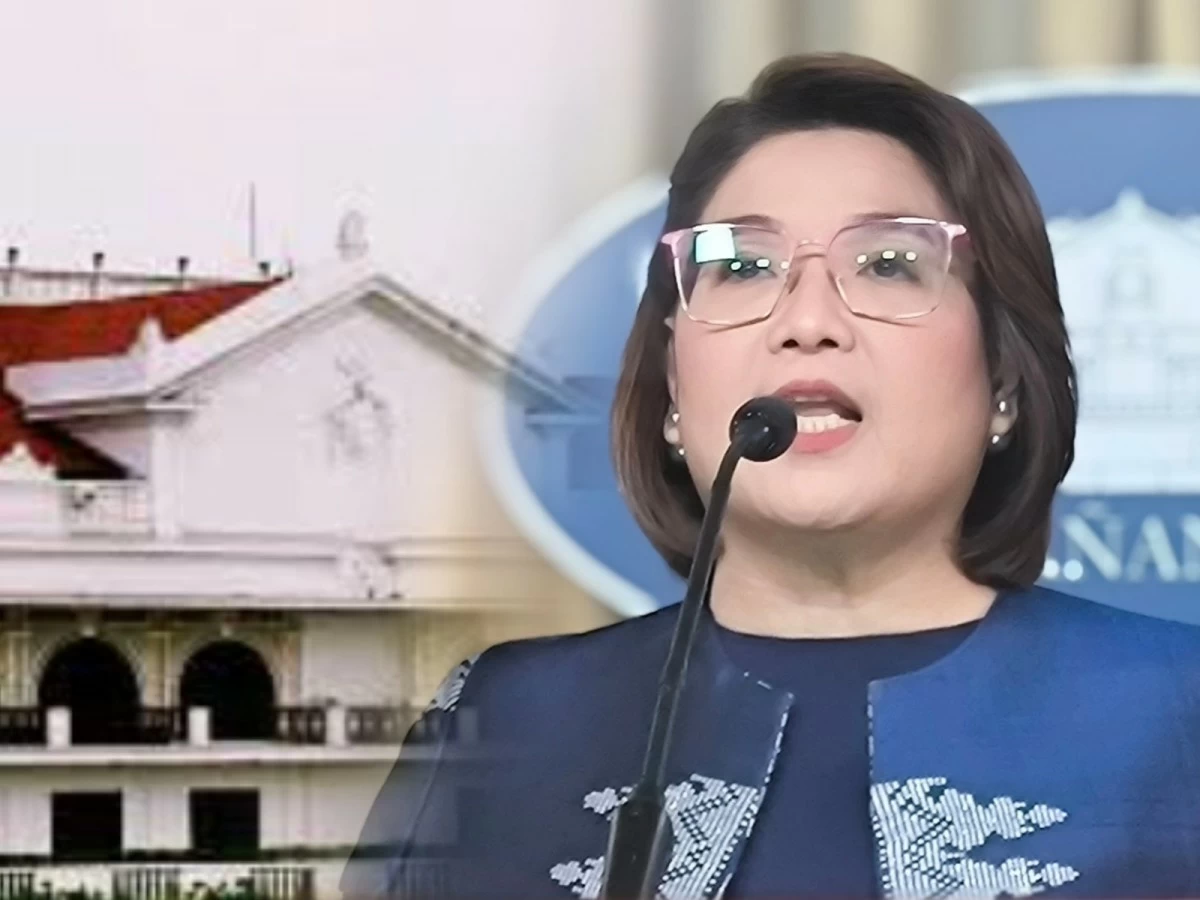
PCO Undersecretary Claire Castro
Palace Press Officer and Communications Undersecretary Claire Castro attributed the country's removal from the high-risk money laundering list to the Marcos administration's reform agenda.
"Ibig sabihin lang nito ay patuloy ang paglakas ng anti-money laundering at anti-terrorism financing measures ng bansa (This simply means that the country’s anti-money laundering and anti-terrorism financing measures continue to strengthen)," Castro said in a recent Palace press briefing.
According to the BSP, the EU's decision is proof that the current administration's efforts are producing results, with international investors showing renewed trust in the country's financial institutions.
Castro said, following Marcos' order, the BSP has stepped up reforms to protect the integrity of the financial system — measures that are expected to spur economic growth and reinforce global confidence in the country.
"Bukod sa mas maraming potential investors ang maaaring maengganyo na mamuhunan sa bansa, possible ring bumaba ang remittance fees at mas gumanda pa ang relasyon sa pagitan ng ating local banks at ang kanilang foreign counterparts (Aside from attracting more potential investors to invest in the Philippines, this could also lead to lower remittance fees and improved relations between our local banks and their foreign counterparts)," Castro said.
"Hindi naman dito nagtatapos, ang tungkulin ng Bangko Sentral, ipagpapatuloy nito ang pagpapatibay sa ating anti-money laundering reforms para sa long-term progress ng bansa (However, this does not end here. The Bangko Sentral will continue to reinforce our anti-money laundering reforms for the country’s long-term progress)," the Palace official added.
The EU officially delisted the Philippines on June 10, 2025, after recognizing improvements in the country's anti-money laundering and counter-terrorism financing framework, and the resolution of technical gaps earlier flagged by the
Financial Action Task Force (FATF).
The Philippines had been on the EU's high-risk list since March 13, 2022.