







How much time would you spare when visiting Nagasaki?
From coastal powerhouse to tragic remembrance and wonderful tourist spot
Published Aug 22, 2025 09:20 am


At A Glance
- Nagasaki City, clustered around Nagasaki Port, exudes a vibe of polarity. It blends the present with the past, urbanization with nature.
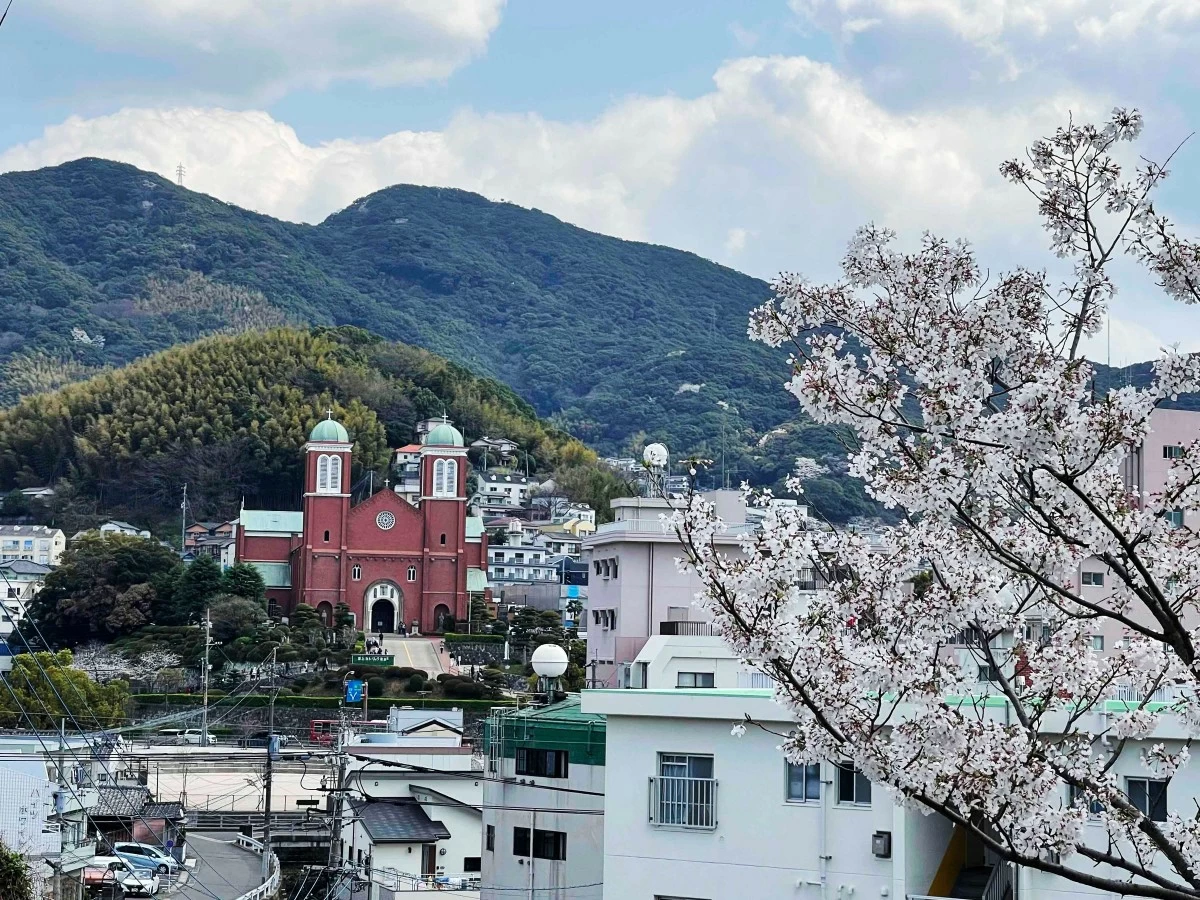
REBUILT FROM ASHES The rebuilt red brick cathedral. The original Urakami Cathedral (St. Mary’s Cathedral) featured Angelus bells from France, which were destroyed in the atomic bombing of 1945.
By Jinggoy I. Salvador
What draws tourists to Nagasaki? To see Ground Zero? This one tragic event that befell the city seems to be synonymous with its name, and yes, that draws in the crowd, most often for a side trip—a day tour— from Fukuoka. Nagasaki today is far from what its dark past was (which included the persecution of Christians during the Edo period and the eruption of Mt. Unzen, the deadliest volcanic eruption recorded in Japanese history). Fully recovered and thriving, the prefecture lures in the curious and the wanderers. Stay longer than a few hours, a couple of days perhaps, or even longer if you want to immerse yourself in its charm. Whatever you opt for, Nagasaki won’t disappoint.
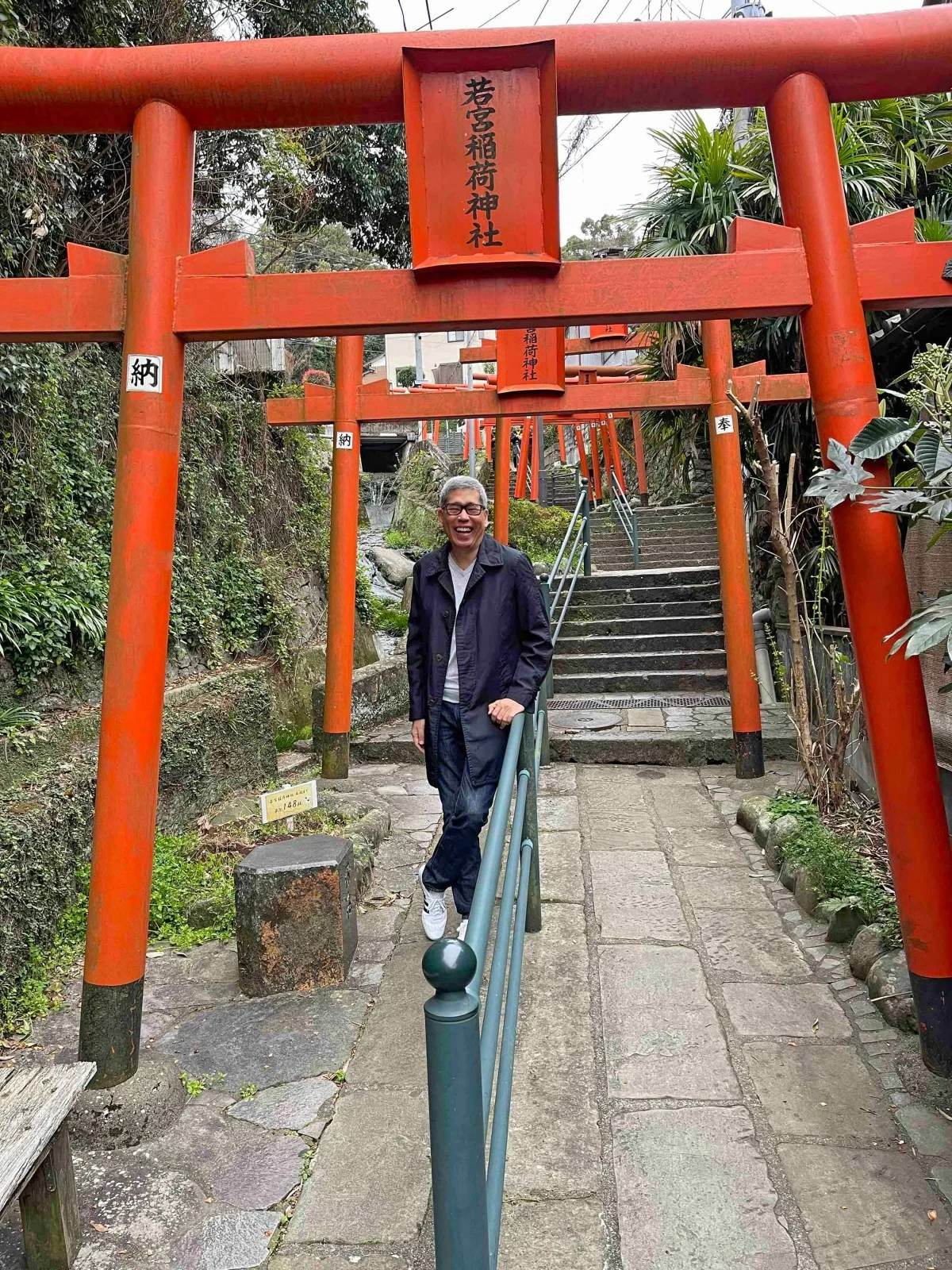
NAGASAKI VIEW Up and down hundreds of stairs through vermilion torii gates, residential communities, and cemeteries.
The prefecture’s rich and diverse past makes the place a cornucopia of adventures today. It led to creating a unique place where the local culture coexists with Western and Eastern cultures today, be it people, food, architecture, or religion. It was the gateway of Europe and Asia to the country in the past, after all. While Japan isolated itself from the world for more than two centuries during the Edo Period, Nagasaki was the only port that permitted foreign trade. This made Nagasaki Prefecture’s role in the country’s international relations vital.
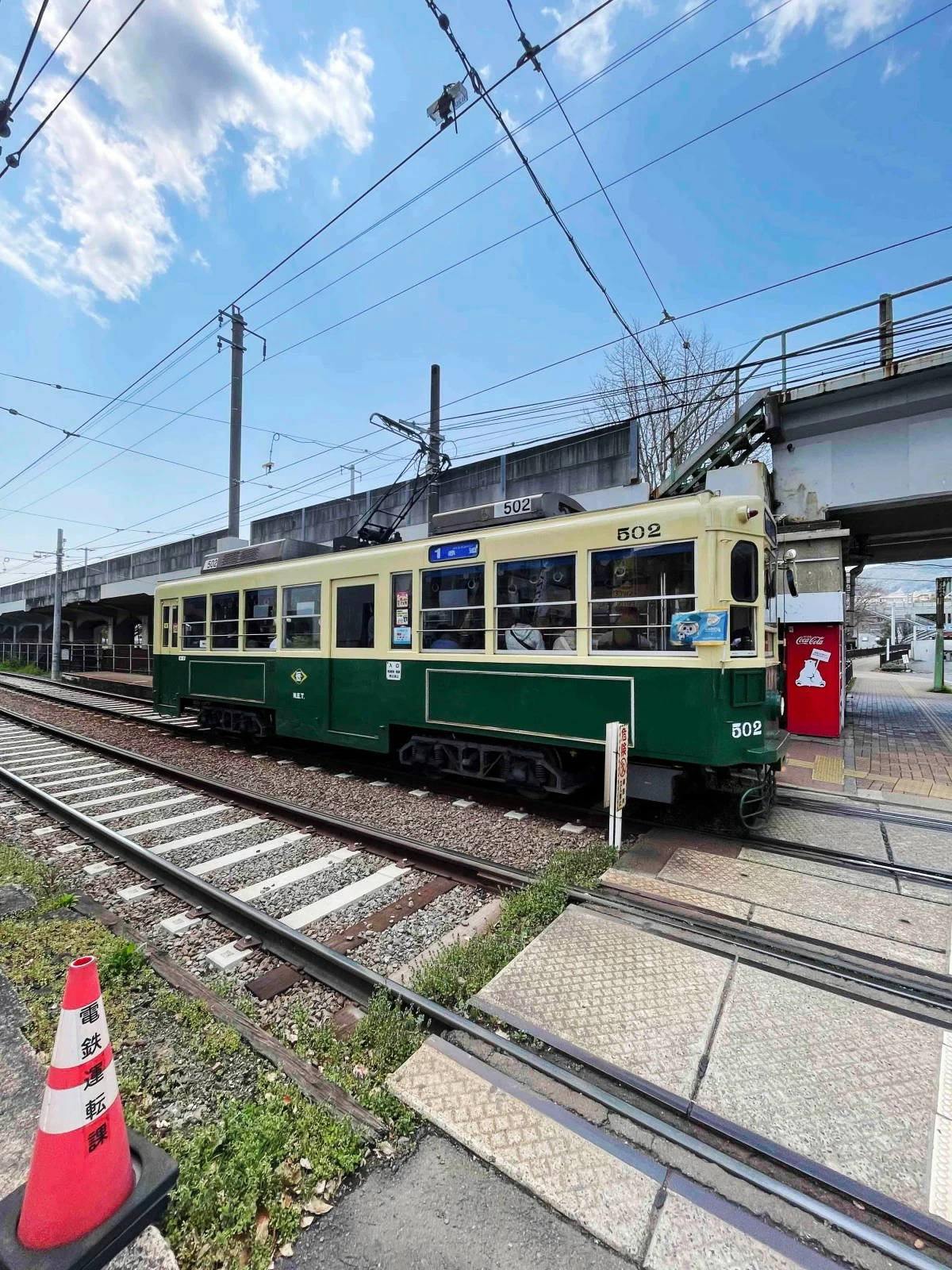
RETRO LIFE Retro trams still run on their original lines and are one of the oldest in Japan.
Nagasaki City, clustered around Nagasaki Port, exudes a vibe of polarity. It blends the present with the past, urbanization with nature. These appealing features are evident upon arrival at the train track of the largest city in the prefecture. Hop off the ultra-modern Shinkansen, then hop on the retro trams with a history that dates back to 1915 –still running on its original lines and efficient to this day—to your destination around the quaint city. The tram system, one of the oldest in Japan, continues to be an important part of Nagasaki's transportation network that connects all the vital areas of the city, tourist attractions included.
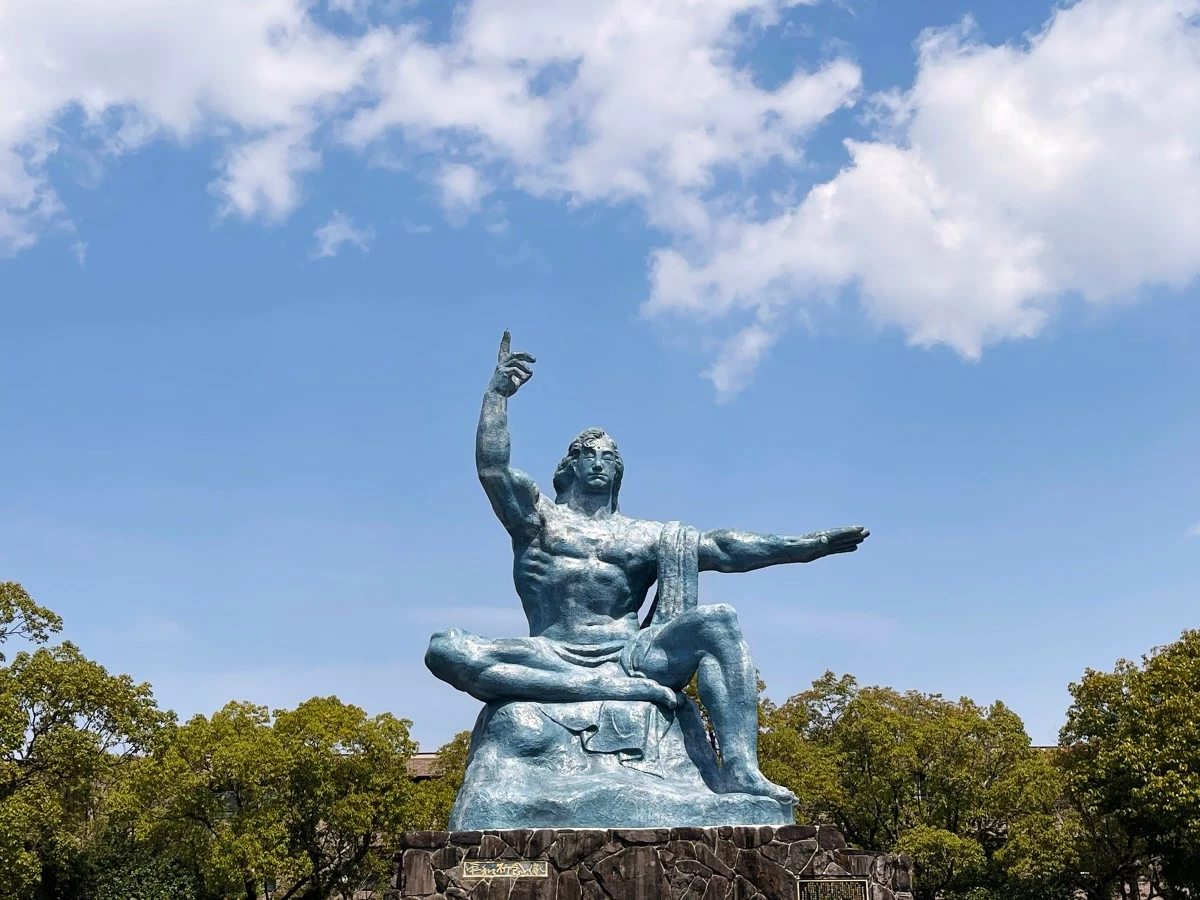
PEACE, NOT WAR The Peace Statue is a 9.7-meter-tall bronze statue that dominates the Peace Park.
It is true that the most significant sites can be covered in a zip. These must-visit spots, concentrated in a small area, are navigable by foot, kicking it off at the Peace Park, which features donated artwork and the 9.7-meter-high Peace Statue, a symbol of Nagasaki’s wish for peace; the Nagasaki Atomic Bomb Museum, where the narrative of the tragic past are told; onto the Nagasaki Hypocenter Park is the Ground Zero of the city’s atomic bombing; and, finally, the Sanno Shrine, where one of the torii’s pillar remained standing amid the devastation.
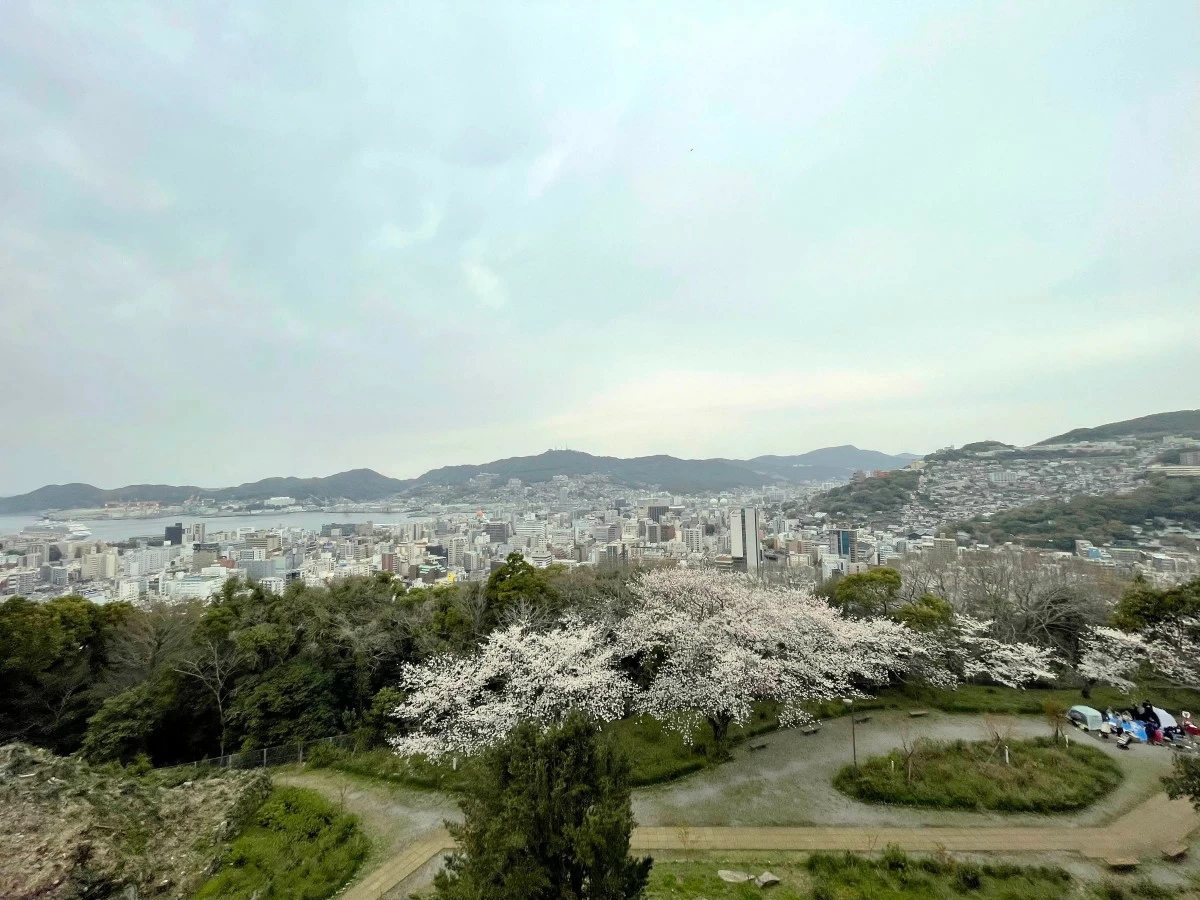
UP HIGH Mt. Kazagashira also offers a magnificent view of Nagasaki.
While others leave after the route, some would opt to stay in the city until dark, and make their way to the 333-high Mt. Inasa park and observatory via the Nagasaki Ropeway. The summit offers a spectacular view of the city, the mountain ranges, and the coastline—beautiful on a clear day and spectacular at sundown— one of the best night views in the world.
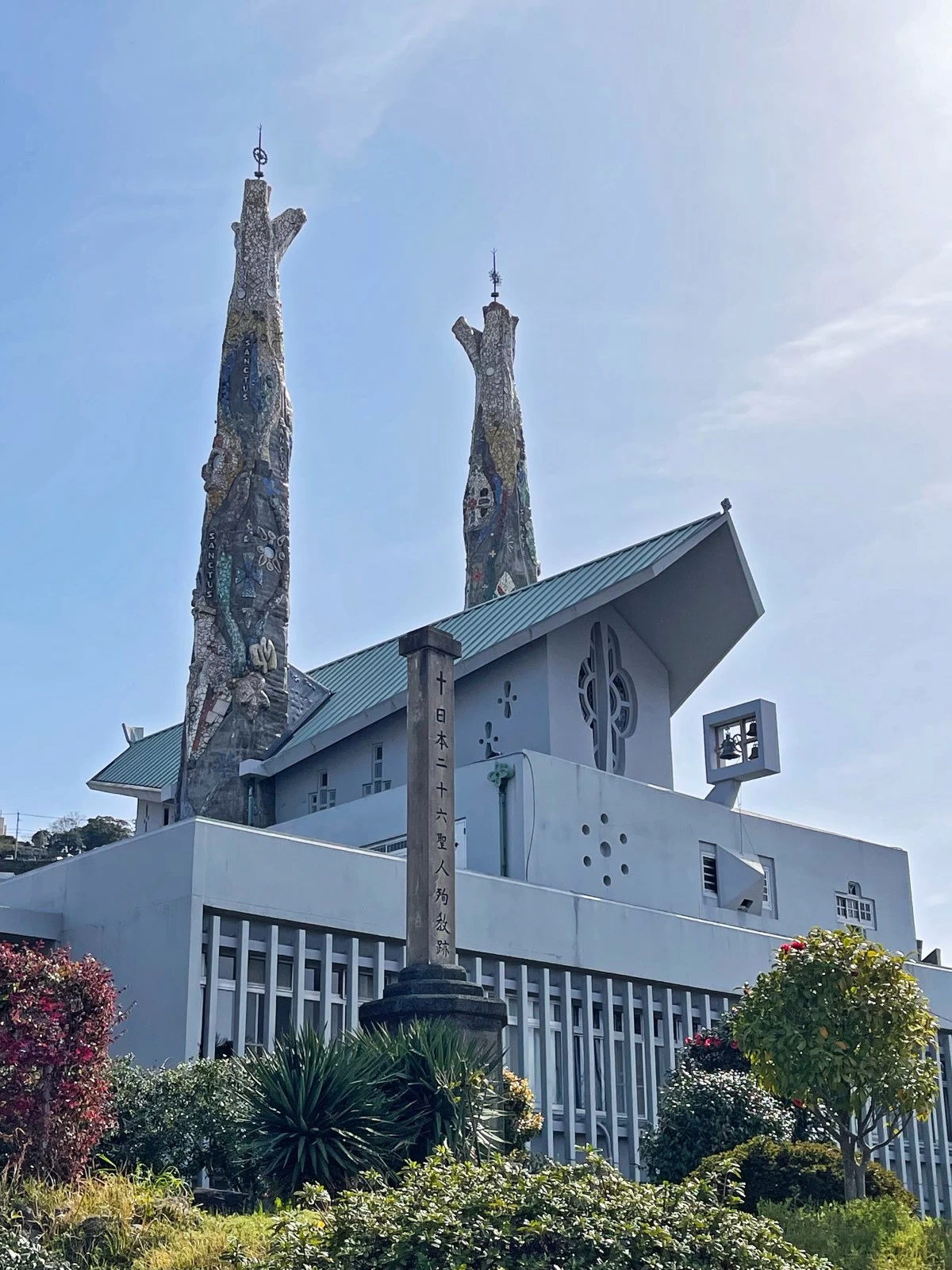
SOLEMN PLACE St. Philip’s Church (Nishizaka Church) is dedicated to St. Paul Miki and his 25 companions.
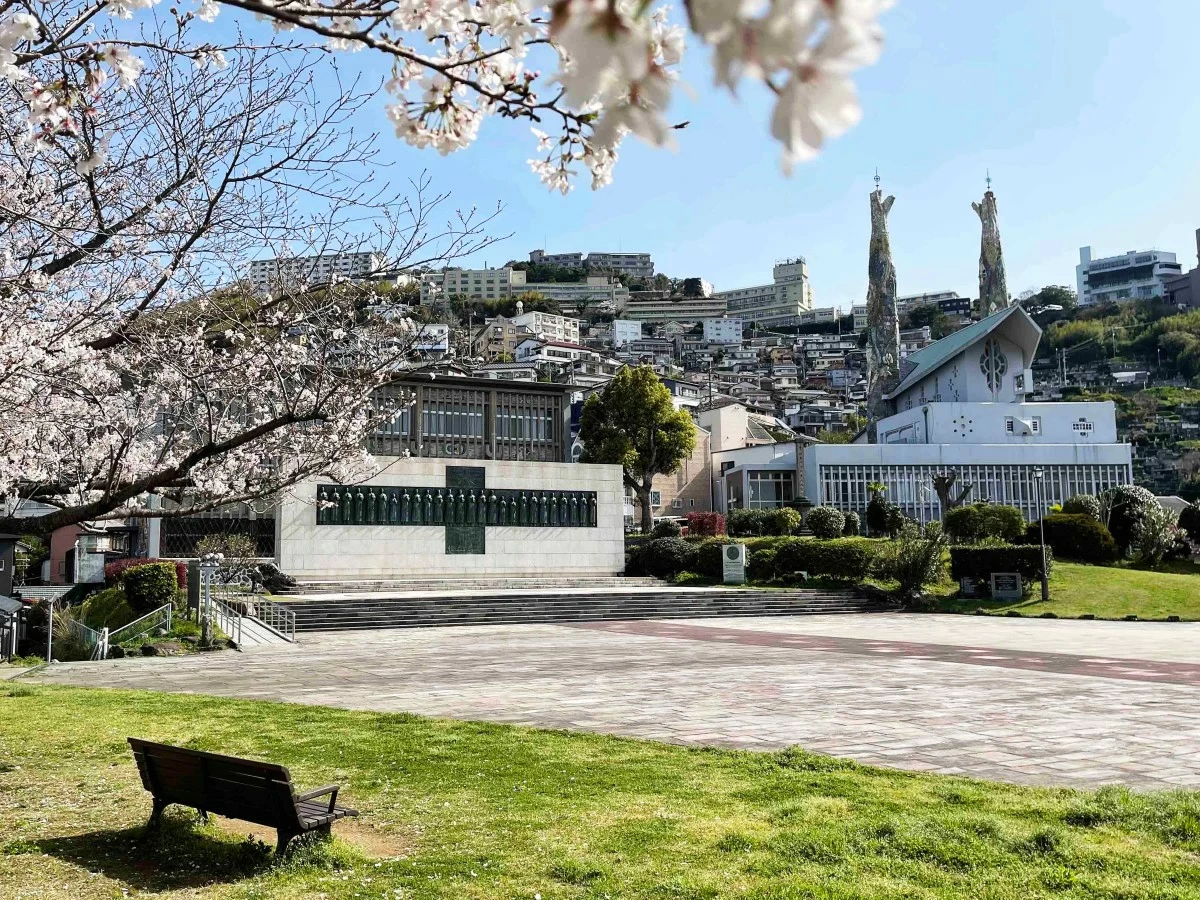
REMEMBER THE FALLEN Twenty-Six Martyrs Monument in Nishizaka Hill.
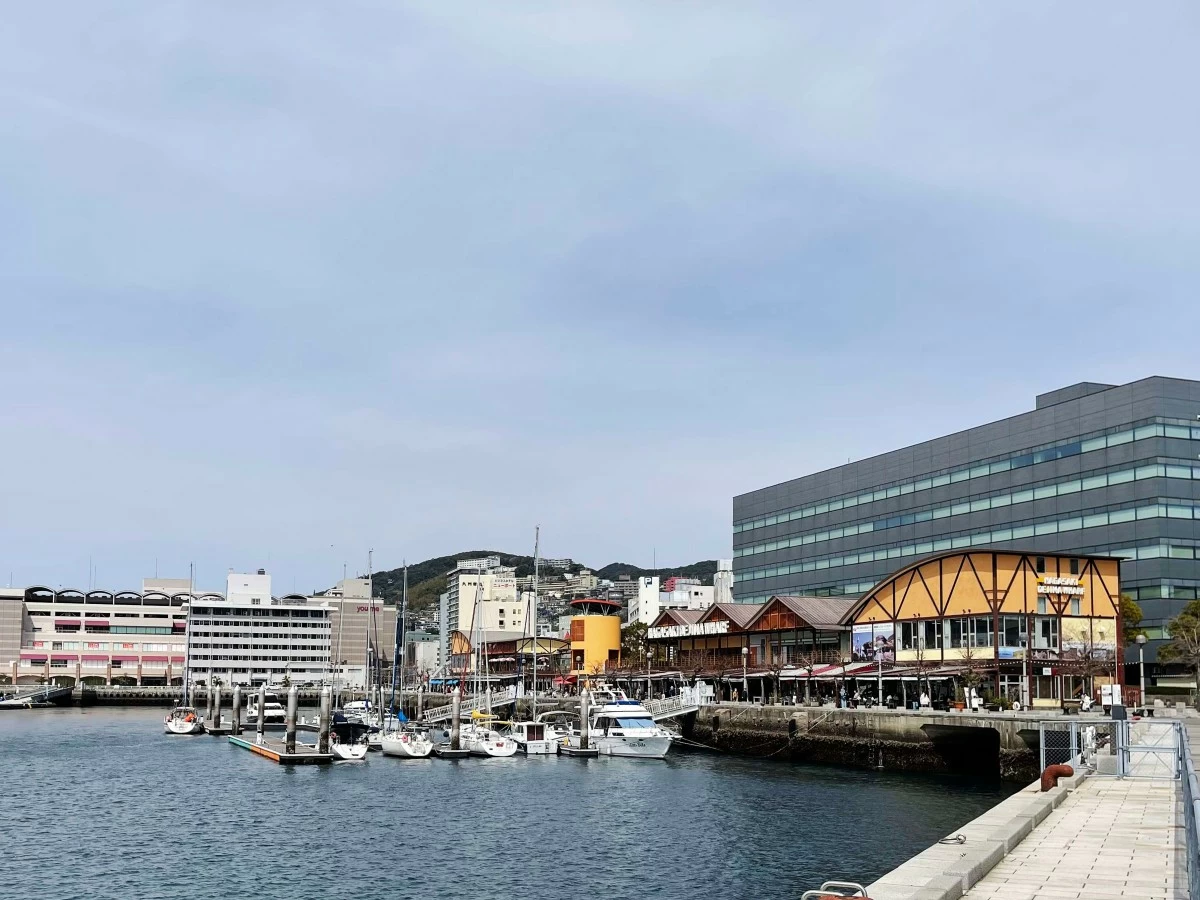
STRONG ROOTS The Dejima Wharf, where Nagasaki's glorified past transpired.
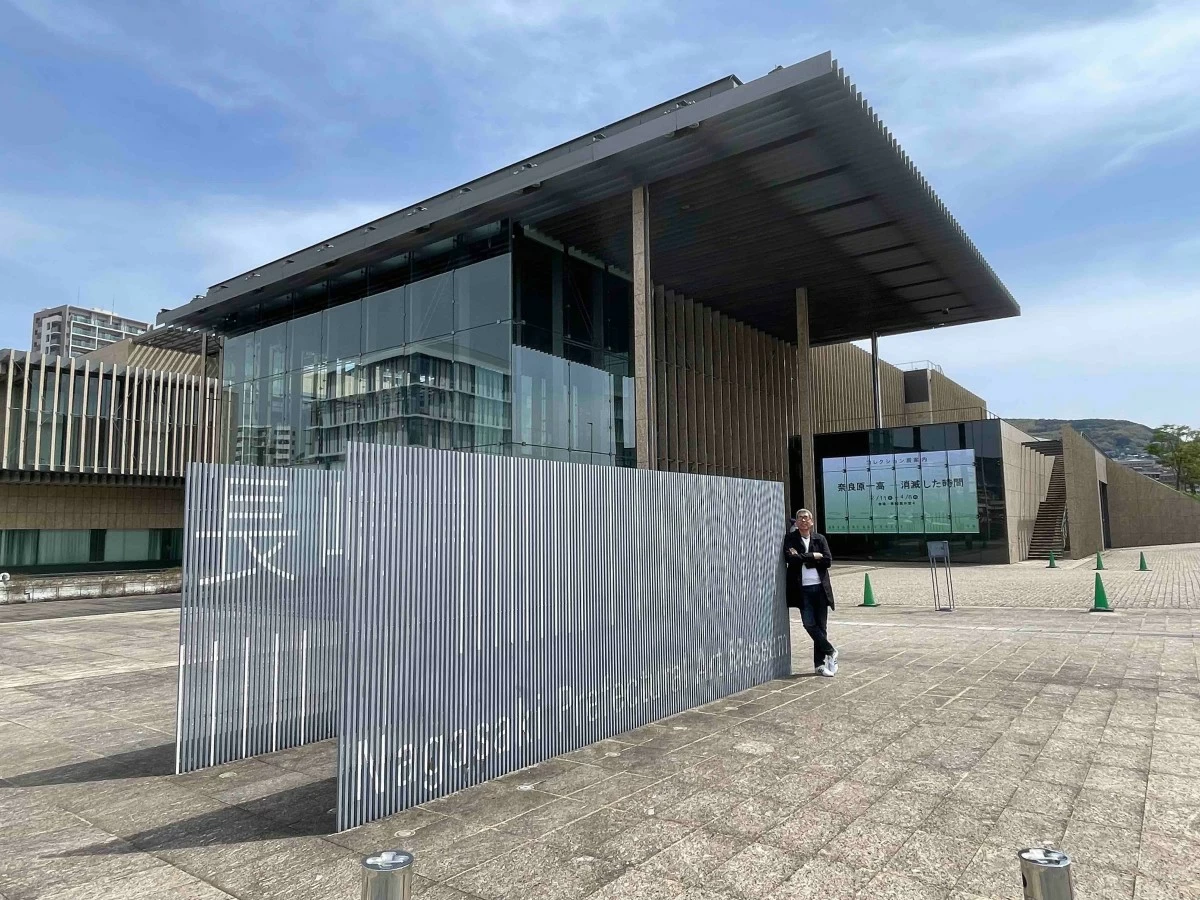
MODERN ARCHITECTURE, MODERN ART The Nagasaki Prefectural Art Museum at the harbor
Closer to sea level, have a relaxing stroll through the harbor, where Nagasaki’s glorified past transpired. Dejima was the only contact between the West and Japan during its period of isolation in the Edo era. Today, the wharf exudes both a calming and exciting vibe with its resort-like vibe. More than a wharf, it’s an open-air museum offering a peek at the former Dutch trading post. A few steps away is the Nagasaki Prefectural Art Museum, renowned for its diverse art collection.
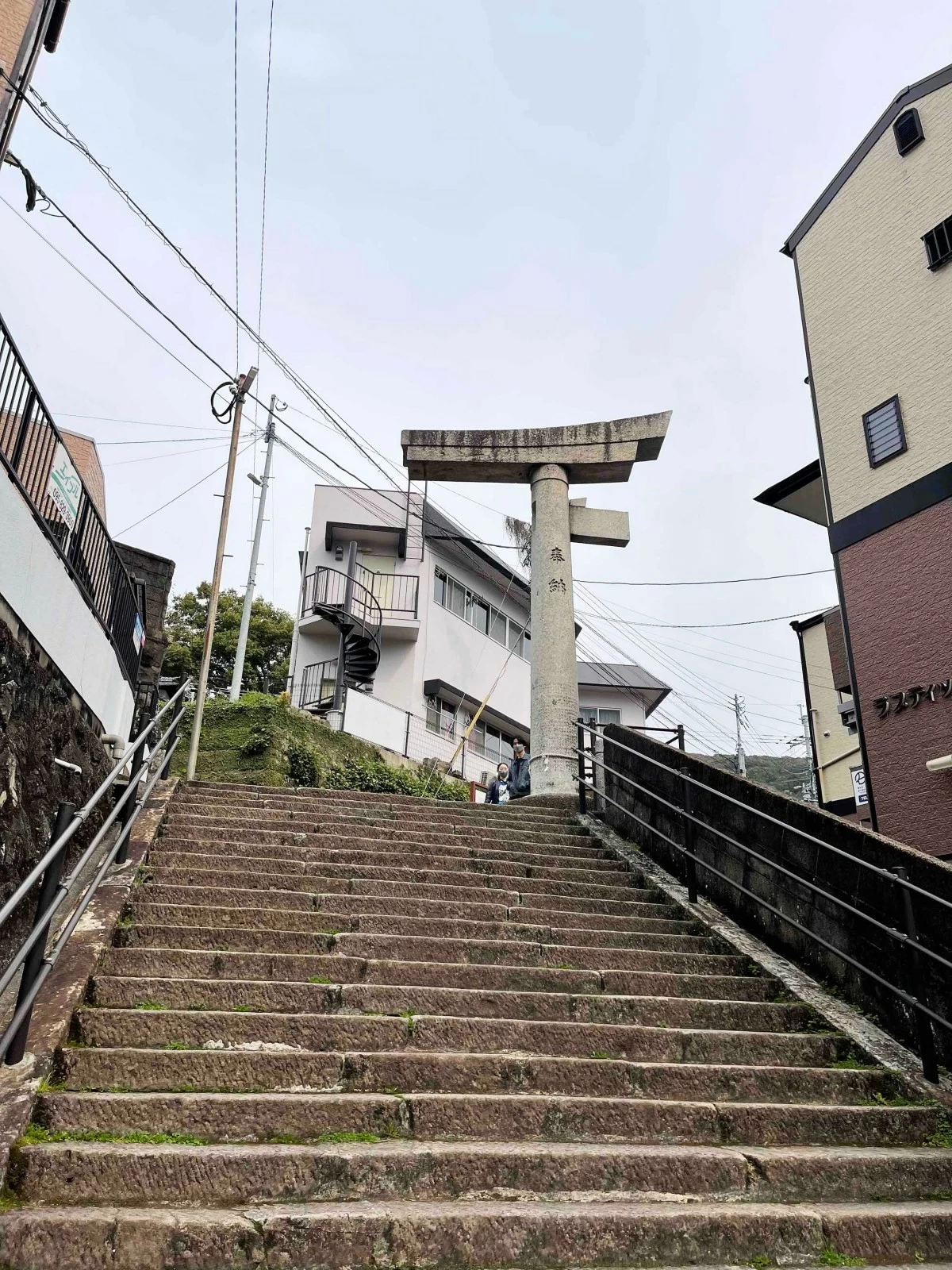
STILL STANDING A torii pillar of Sanno Shrine remained standing amid the devastation.
If religious worship sites are your thing, Nagasaki has an array to fill the hours before sunset. At the foot of Mt. Kazagashira is the famous Teramachi-dori (Temple Street), where 14 temples and two shrines line the street, including the 1629-constructed Chinese temple of Sofukuji Temple, which houses 21 cultural assets, including two national treasures. Another temple built by Chinese merchants is the Kofukuji Temple, Japan's first Chinese temple of the Obaku sect.
Roman Catholics will be in awe of the Nagasaki historic sites: on Nishizaka Hill, the Twenty-Six Martyrs Monument, and the Gaudian-esque St. Philip’s Church (Nishizaka Church) is dedicated to St. Paul Miki and his twenty-five Christian companions. Also dedicated to the martyrs is the Oura Cathedral, built by a French missionary in 1864, making it the oldest wooden church of Gothic architecture existing in Japan. Oura Cathedral is a National Treasure and listed as one of the Hidden Christian Sites in the Nagasaki Region, inscribed in the UNESCO World Heritage List. Equally notable is the Urakami Cathedral (St. Mary’s Cathedral), the 1914 Romanesque-style cathedral of brick construction that featured Angelus bells from France, which was destroyed in the atomic bombing of 1945.
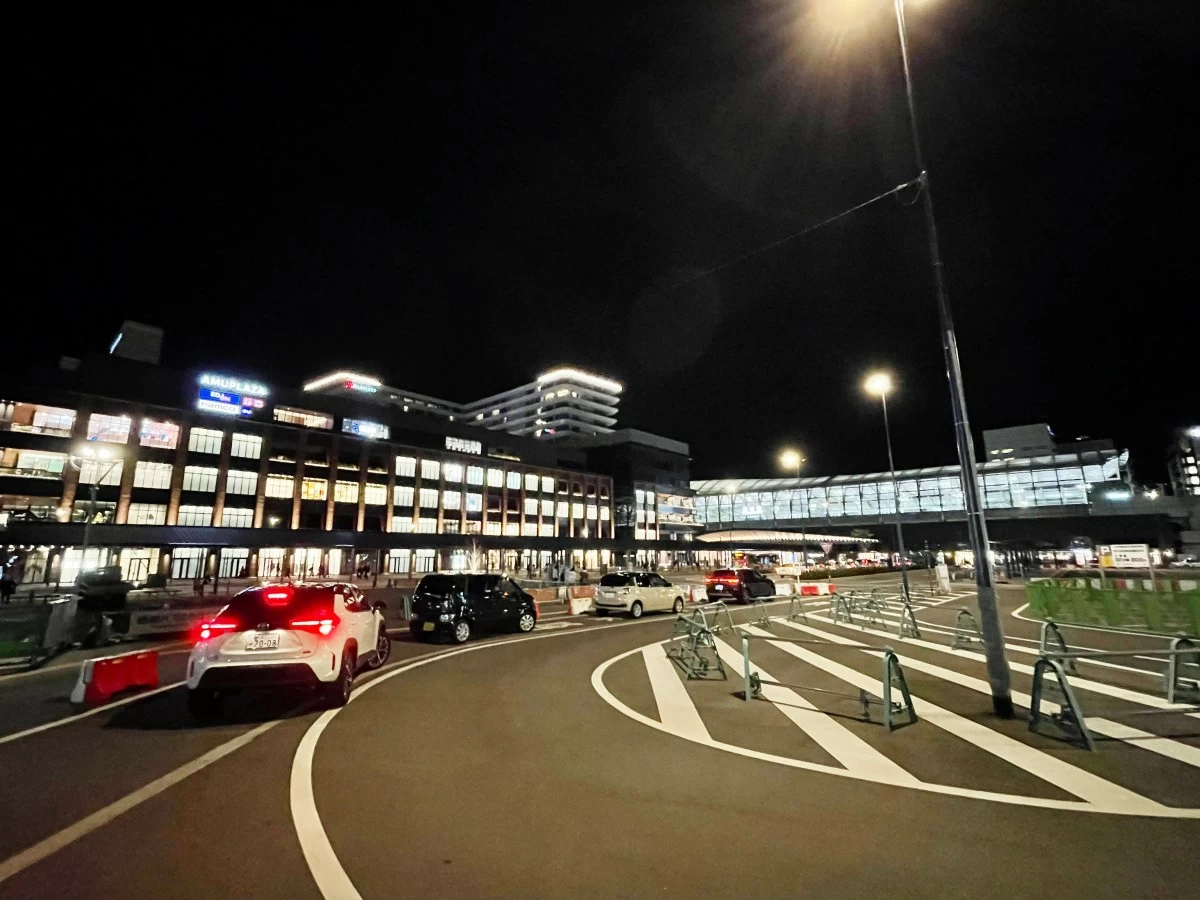
HOP ON, HOP OFF The modern structure of JR Station Nagasaki at night
Stray from the usual paths and surprises pop up, like the terrain. Nagasaki’s topography is unique—a harbor surrounded by mountains, where the urban area extends. Residences on the hillside are gifted with a view of the sea and the mountains. It’s a charm and a challenge as well, well worth discovering, and a longer stay in Nagasaki.
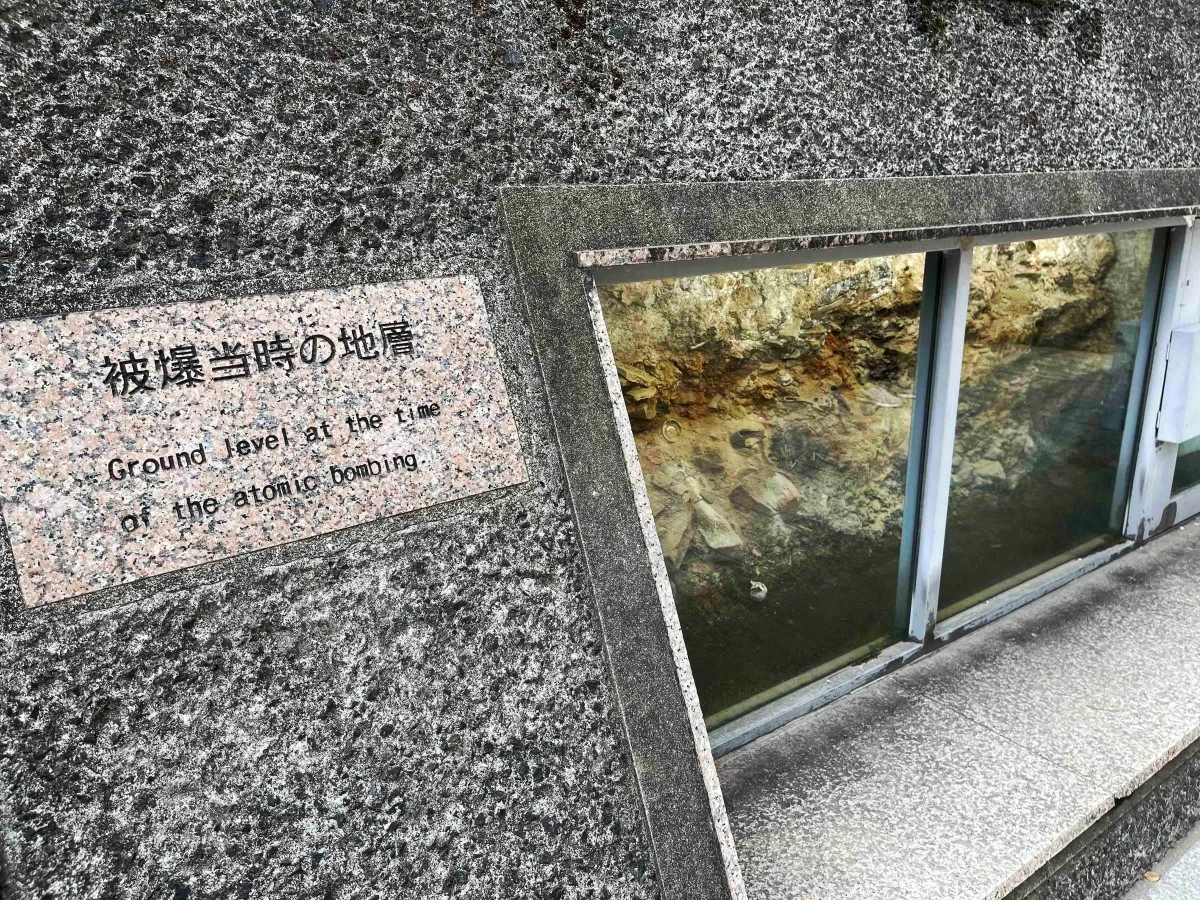
GROUND ZERO Where the atomic bomb met Nagasaki soil.
Ten minutes to a destination on the mobile map app may not be so in this city. The terrain is often omitted from the equation. It may be an uphill climb via alleys and stairways through a peaceful community of compact residences and even cemeteries, which will make the trip longer (and arduous for unfit souls like mine), but what awaits at the journey’s end is rewarding. The destinations, like the hilltop parks of Kazagashira and Tateyama, will take your breath away, especially in Springtime, when the cherry blossoms are in their full regalia. Beyond the blooms, one could say, “What Mt. Inasa can offer, so does Mt. Kazagashira (and Mt. Nabekanmuri, too)”. From a different vantage point, the panoramic view of Nagasaki is magical and breathtaking from morning to night.
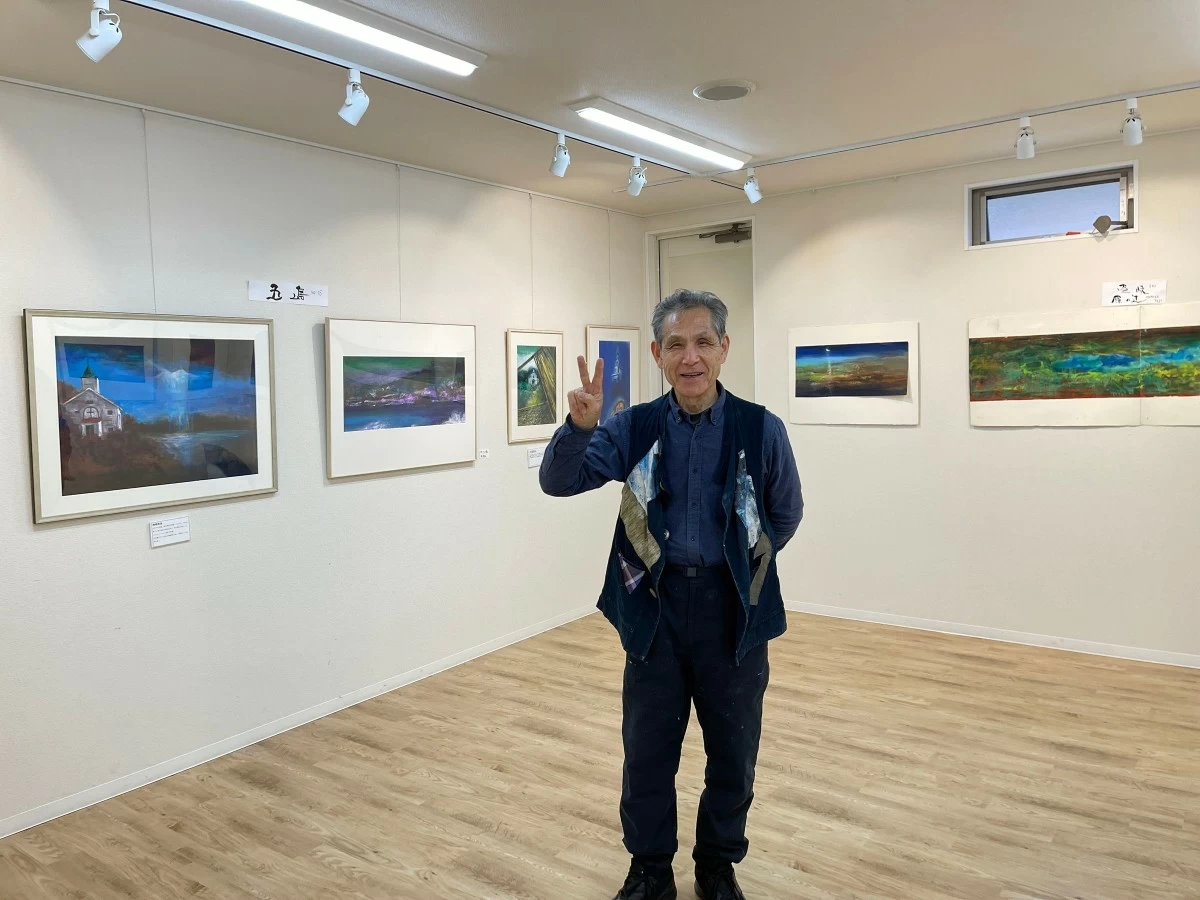
LIFE ON CANVAS You can visit this artist at his gallery by the Kazagashira Park gate.
Take notice of a sign that says “art gallery” by Kazagashira Park’s gateway. It’s a small one, but big in art wisdom. A native of Nagasaki, the artist specializes in capturing the essence of the prefecture’s islands. Which leads you to ask, how many are there? Mountainous Nagasaki also has the largest number of islands in Japan. Island hopping, anyone? If you do, make sure to make a stop at Hashima Island, aka “Gunkanjima” (Battleship Island), a designated UNESCO World Heritage Site of Japan's Meiji Industrial Revolution. With hundreds of islands dotting its coastline, it doesn’t come as a surprise that Nagasaki prides itself on having the most variety of fresh seafood in all of Japan.
And while on the topic of food, before heading off, make sure to have a bite of Nagasaki’s specialty cuisine: the “celebratory dish” of Omura-sushi; the Champon, a noodle soup with thick, chewy noodles, a rich, milky chicken and pork bones broth, and loaded with stir-fried pork, seafood, and vegetables; Castella Cake, a sponge cake introduced by Portuguese merchants; and the Toruko Rice, aka as Turkish Rice, made of a combination of pilaf rice, spaghetti, and a pork cutlet.
Reading all this about Central Nagasaki alone, with much more on the unlisted adventures—outer islands exploration, hiking through the peninsula, the seven major festivals, the nightlife— how much time would you spare on your visit to Nagasaki?