






Manila Bulletin
 Environment and Sustainability
From 228 to 322: The Philippines' new biodiversity hotspots
Environment and Sustainability
From 228 to 322: The Philippines' new biodiversity hotspots
Environment and Sustainability
From 228 to 322: The Philippines' new biodiversity hotspots
From 228 to 322: The Philippines' new biodiversity hotspots
Published Aug 22, 2025 03:23 pm


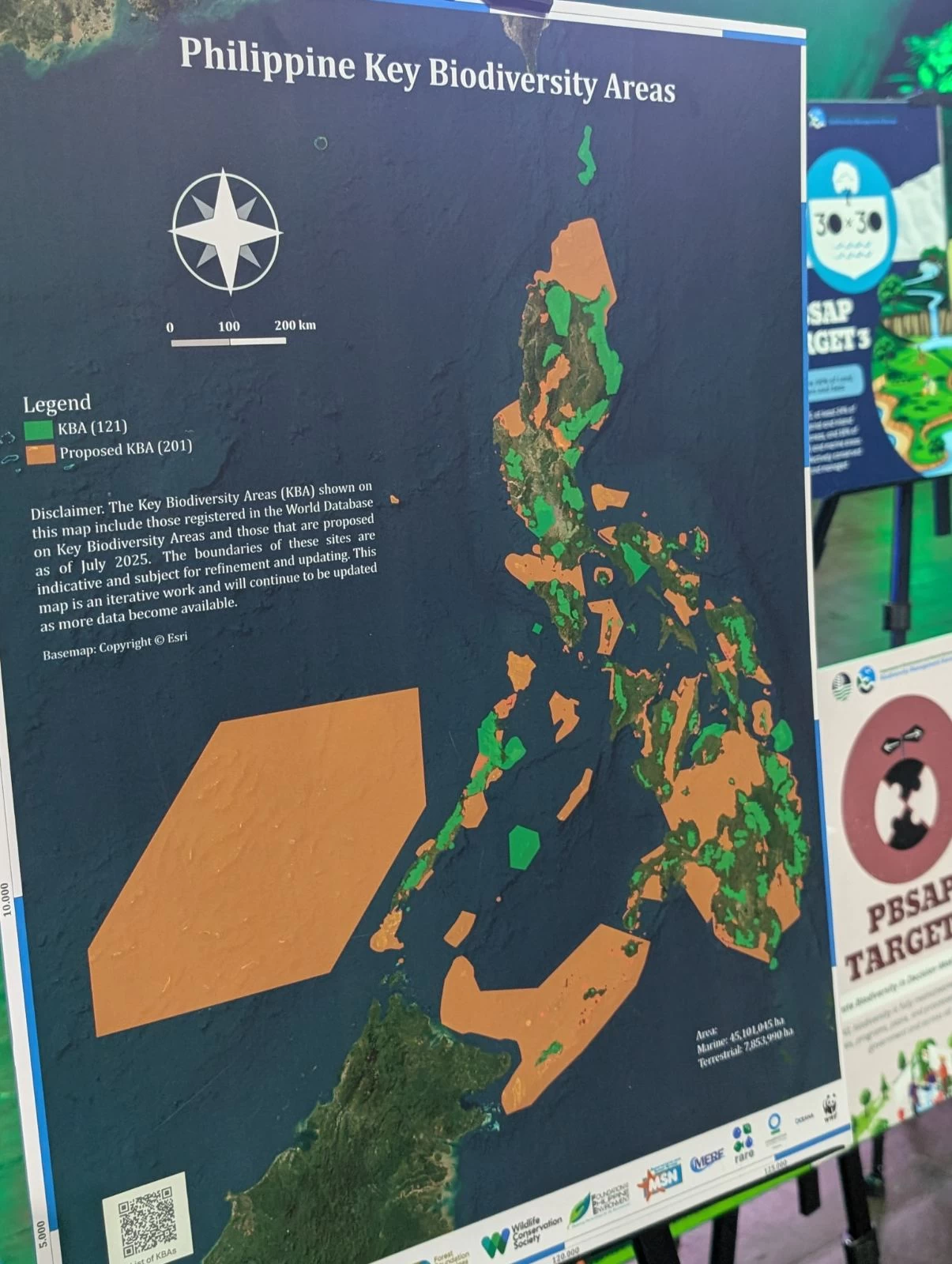
At the 2025 Philippine Biodiversity Symposium in Iloilo City, held from August 12–15, convenors announced a landmark update: the country's official Key Biodiversity Area (KBA) map now features 322 sites, up from 228 previously. This expansion reflects years of scientific work to identify areas of exceptional ecological importance, both within and outside existing legally protected areas.
Among the newly proposed KBAs are the Balabac Group of Islands in Palawan, Bantayan Island in Cebu, Masungi in Rizal, Biak-na-Bato National Park in Bulacan, Brooke's Point in Palawan, Borongan in Eastern Samar, and Danjugan Island in Negros Occidental. These sites highlight habitats and species that urgently need stronger recognition and, ultimately, protection.
What are KBAs?
Key Biodiversity Areas are scientifically identified sites that hold significant biodiversity value—whether as habitats for threatened species, centers of endemism, or critical ecological corridors. They are internationally recognized and frequently serve as the basis for conservation prioritization worldwide.
While KBAs do not in themselves have the force of law, they are an invaluable planning tool. They provide early warnings about ecologically sensitive areas where development must proceed with caution. In a country like the Philippines—one of the world's biodiversity hotspots yet also one of the most threatened—KBAs serve as beacons for where conservation investments and governance must be directed.
A new roadmap: The PBSAP 2025–2040
The symposium launched the Philippine Biodiversity Strategy and Action Plan (PBSAP) 2025–2040, a 15-year framework that outlines the country's top environmental priorities and pathways forward.
Its vision is clear: "By 2040, Philippine biodiversity is valued, enhanced, effectively conserved and managed through inclusive and transformative actions delivering climate-resilient ecosystems and sustained benefits to Filipino communities."
Key targets include planning and managing all areas to reduce biodiversity loss, restoring 30 percent of degraded ecosystems, conserving 24 percent of land and 16 percent of seas, enhancing green spaces and urban planning for human well-being, mobilizing $200 billion per year for biodiversity, with $30 billion through international finance.
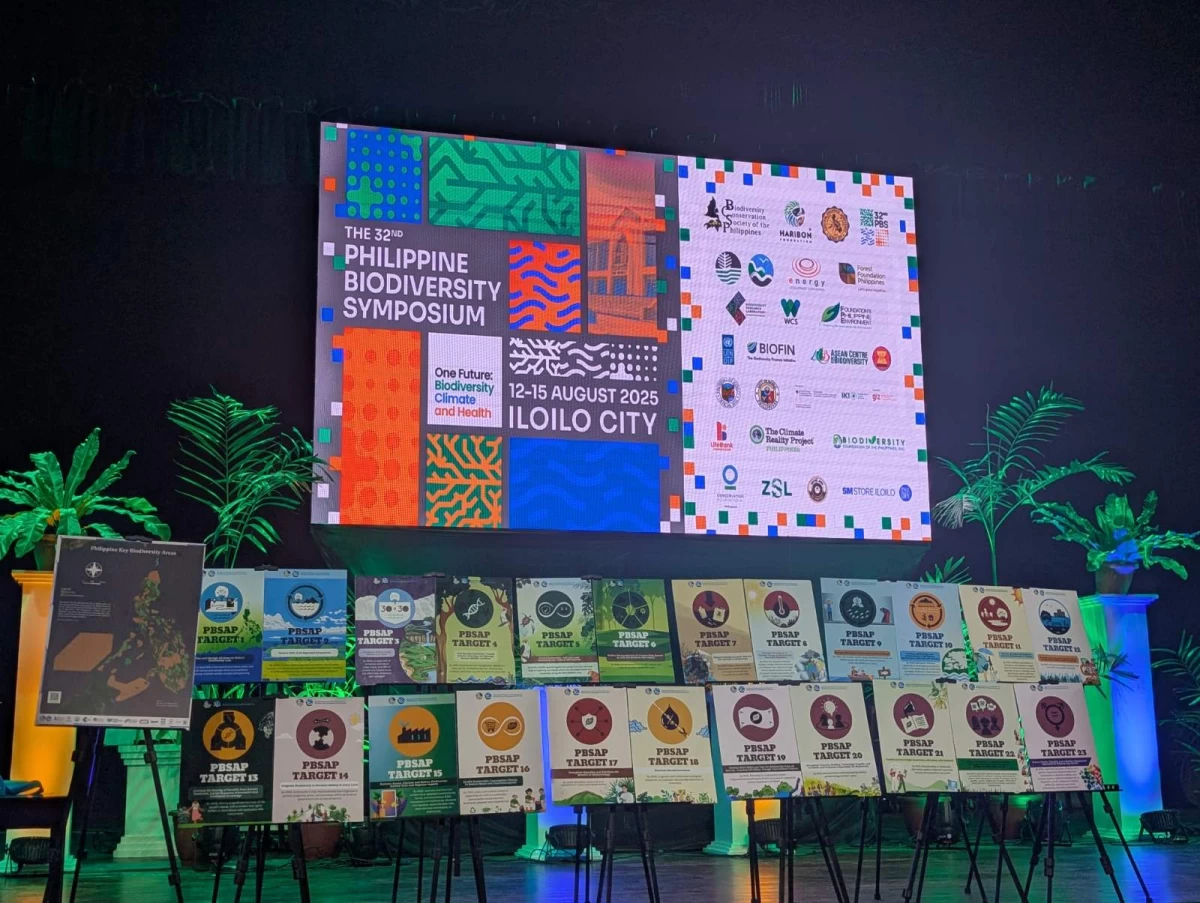
The PBSAP is the product of years of hard work by agencies, scientists, and advocates seeking to chart a path for biodiversity.
Beyond paper commitments
Ambitious as they sound, these goals will mean little without stronger protection of areas already protected under the law. At the symposium's workshops on Protected Area Creation and Other Effective Area-Based Conservation Measures (OECMs), I emphasized that enforcement in existing protected areas must also be prioritized.
Too often, legal protections are weakened by loopholes. Zoning provisions such as "multi-use zones" are misused to justify projects that are fundamentally incompatible with conservation. Roads, quarries, and large-scale infrastructure have been allowed to creep into fragile habitats under the guise of development. Unless we secure the integrity of current protected areas, even newly declared KBAs will remain vulnerable.
Yet there is room for hope. With clearer guidelines, stronger enforcement, and genuine political will, these long-standing threats can be addressed. Recent controversies have only underscored the urgency for reform, giving the Department of Environment and Natural Resources and its Biodiversity Management Bureau a unique opportunity to act decisively.
By issuing system-wide guidance for field offices, it can set the record straight: in protected areas—regardless of zone—only sustainable and truly compatible developments should be allowed, never at the expense of the ecosystem. Strengthening enforcement would not only safeguard biodiversity but also restore public confidence that conservation laws are more than words on paper.
If the Philippines can show that its existing protected areas work, then expanding the KBA map to 322 sites and legislating more will serve not only as a symbolic milestone but also as a foundation for a more resilient and sustainable future.
A community of advocates
For me, the symposium was not only about strategies and frameworks but also about reconnecting with researchers, students, and advocates who form a vibrant community of biodiversity defenders. Organized by the Biodiversity Conservation Society of the Philippines and co-hosted by the Haribon Foundation and Central Philippine University, the event was a reminder that passion for nature remains strong despite daunting odds.
Yet passion alone is not enough. If we are to meet the PBSAP's ambitious targets, we must go beyond declarations and maps. Protecting biodiversity begins with guarding what is already under threat, ensuring that our existing protected areas live up to their name.
Let's go big for biodiversity—through action, enforcement, and accountability.