






Manila Bulletin
 Philippines
National
'Walang Gutom' program focuses on human capital, not temporary 'ayuda' — DSWD
Philippines
National
'Walang Gutom' program focuses on human capital, not temporary 'ayuda' — DSWD
Philippines
National
'Walang Gutom' program focuses on human capital, not temporary 'ayuda' — DSWD
'Walang Gutom' program focuses on human capital, not temporary 'ayuda' — DSWD
Published Aug 21, 2025 10:49 am


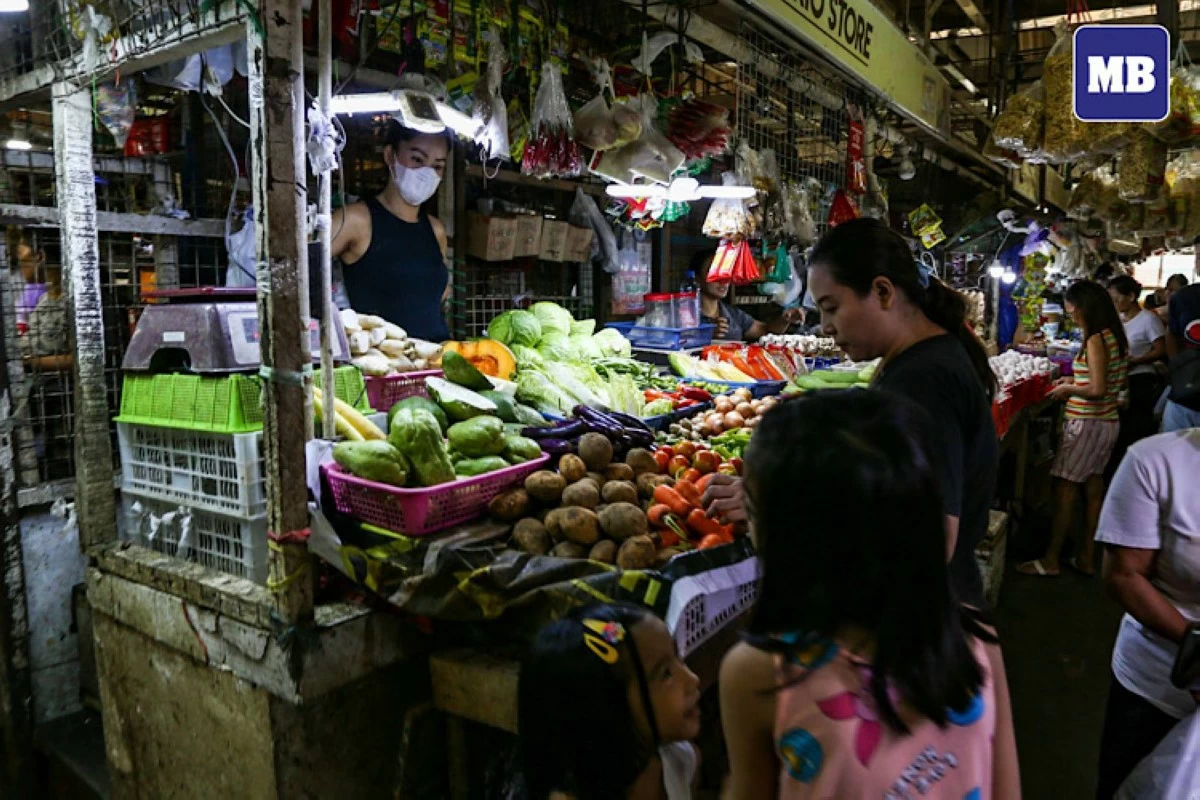
(Manila Bulletin file photo)
The Department of Social Welfare and Development (DSWD) clarified that its “Walang Gutom Program” (WGP) is a long-term initiative to combat hunger and malnutrition by investing in human capital, not just a typical cash aid or “ayuda” program.
WGP is a targeted response to involuntary hunger, aiming to instill healthy eating habits and self-reliance among low-income Filipino households.
“I want to emphasize na itong programa na ito ay hindi isang ayuda program dahil tayo po ay nag-iimpose ng conditions (I want to emphasize that this program is not an aid or ayuda program because we impose conditions),” DSWD Assistant Secretary for Innovations and Program Development Baldr Bringas said in a statement on Thursday, Aug. 21.
“Ang isa sa conditions na ito ay yung tinatawag natin na nutrition education session. Dito po ay tinuturuan natin ang mga benepisyaryo natin kung paano kumain nang tama, na kaya nilang mag-prepare ng healthy, delicious, at affordable na food (One of these conditions is what we call the nutrition education session. Here, we teach our beneficiaries how to eat properly and that they are capable of preparing healthy, delicious, and affordable food),” he added.
Bringas also emphasized the need to prioritize investing in people’s well-being and capabilities
“We, in the department, believe that it is high time we invest just as aggressively in human capital,” he said.
“What I am trying to say is that we will not progress as a nation if a significant portion of our population remains poor, marginalized, and underprivileged,” he added.
Under the program, beneficiaries receive electronic benefit transfer (EBT) cards preloaded with P3,000 worth of food credits every month.
These credits are non-convertible to cash and may only be used to purchase food items from registered and accredited partner retailers.
“Ang beneficiaries natin ay magagamit ang card na ito sa mga registered and accredited retailers natin (Our beneficiaries can use this card at our registered and accredited retailers),” Bringas said.
The monthly nutrition education sessions, a key condition of the program, are designed not only to encourage responsible food choices but also to shift mindsets and empower families to sustain healthier lifestyles.
Beneficiaries must attend these sessions to continue receiving their monthly food credits.
Bringas reiterated that WGP seeks to promote long-term behavioral change that enables families to make better nutritional decisions, eventually contributing to the government’s broader goals of reducing hunger and improving public health.
WGP is currently being implemented in select areas nationwide.