







Rekindling the spirit of Ninoy Aquino: 'The Filipino is worth dying for'
Published Aug 21, 2025 12:01 am
|
Updated Aug 20, 2025 04:04 pm


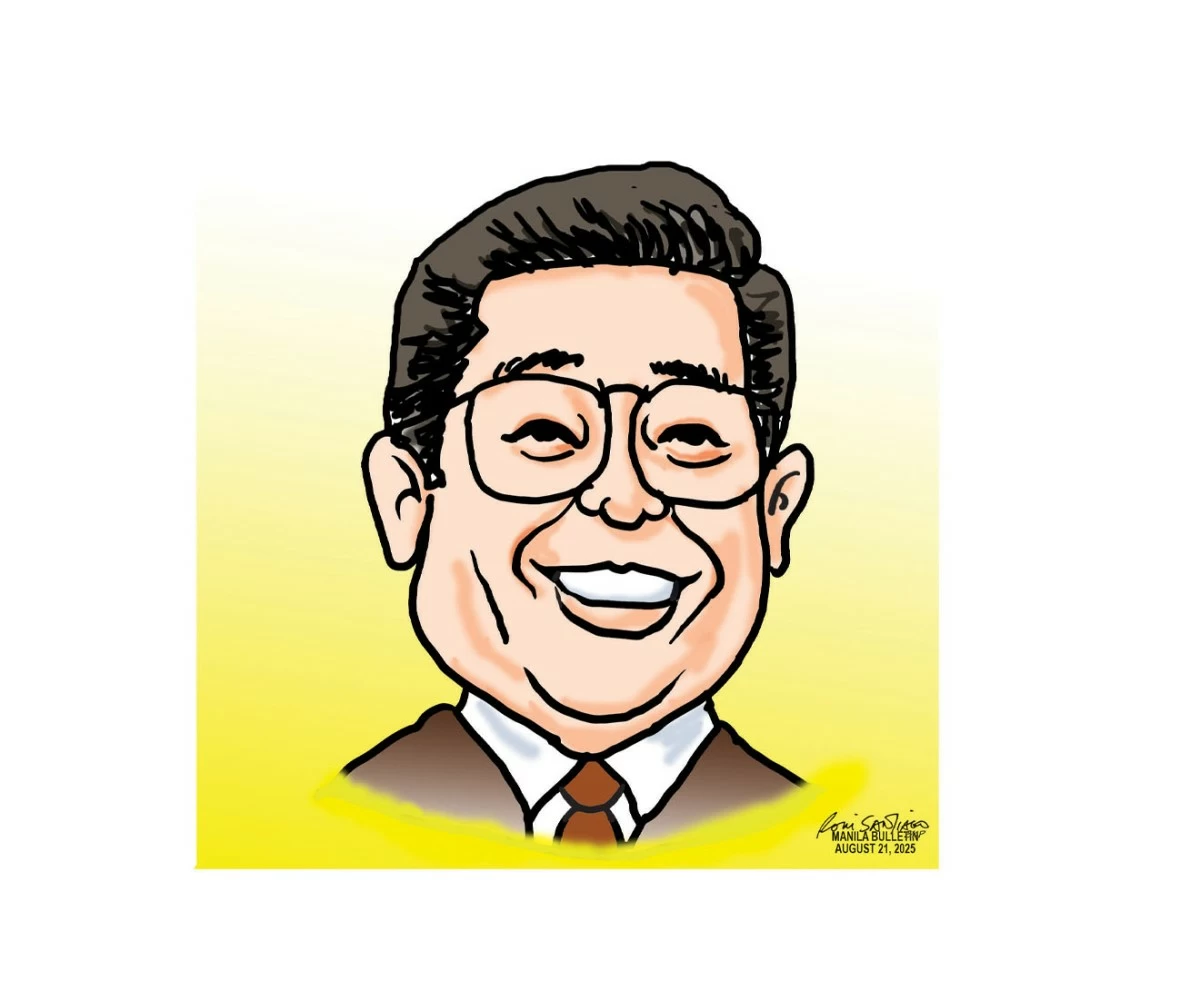
From being a correspondent of The Manila Times who covered the Korean War in the early fifties, Benigno ‘Ninoy’ Aquino, Jr. became the youngest elected town mayor of Concepcion, Tarlac; then the youngest governor of Tarlac province; and catapulted himself to national politics as the youngest senator in 1967. When martial law was declared in 1972, he was among the first to be arrested. Together with fellow former Senator Jose Diokno, he was placed in solitary confinement. Convicted to death, his sentence was commuted to life imprisonment on account of international pressure. In 1980, he agreed to the government’s offer of a medical furlough and underwent heart bypass surgery in the United States.
Citing the imperative to restore democracy, he opted to return to the Philippines. After he arrived at the Manila International Airport, he was assassinated while in the custody of government soldiers after he disembarked from the plane. His death stirred the consciousness of the Filipino people. His funeral took 12 hours, as tens of thousands joined in bringing his remains from the Manila Cathedral to the Manila Memorial Park in Parañaque.
Ninoy Aquino has bequeathed a rich legacy to the Filipino nation, that has grown from approximately 53.8 million in 1983 to about 116.8 million today.
The country’s principal port of entry has been named the Ninoy Aquino International Airport (NAIA). Several major avenues and streets are named after him. Senator Ninoy Aquino is a municipality nestled in the verdant Daguma mountain range in the province of Sultan Kudarat in Region XII, south-central Mindanao, and its people proudly proclaim that “our town echoes his ideals of democracy, justice, and unwavering service to the people.”
His martyrdom on Aug. 21, 1983 sparked the Filipinos’ fight for the restoration of democracy. Silenced by fear and repression for almost 15 years, his death galvanized the people to reclaim their civil liberties and reignite their nation’s vitality as a beacon for democracy.
More than four decades after his death, Ninoy Aquino’s heroism continues to inspire his countrymen. His steadfast belief in the Filipino spirit, framed in his famous words, “The Filipino is worth dying for,” still resonates in classrooms, courts, communities, and corridors of power, serving as a moral compass in times of political volatility.
His widow, Corazon Aquino, became the 11th President of the Philippines, in the aftermath of the EDSA People Power Revolution. His son and namesake, Benigno III, or Noynoy, served as the 15th President, and is remembered for his Daang Matuwid good governance program that brought about high levels of economic growth.
To the generation born after his death — those who have only read about martial law in textbooks or viewed it in reels or documentaries — Ninoy’s heroism serves as an apt reminder that indeed, “eternal vigilance is the price of liberty.” His courage challenges us to get involved and care deeply for the vibrancy of democracy in our country.
Let his memory permeate the grassroots of our communities, inspiring Filipinos to choose action over apathy, and embrace hopeful confidence over indifference.