






Manila Bulletin
 Philippines
National
'We never left': How the Philippine Red Cross stayed with Mt. Kanlaon survivors for 237 days
Philippines
National
'We never left': How the Philippine Red Cross stayed with Mt. Kanlaon survivors for 237 days
Philippines
National
'We never left': How the Philippine Red Cross stayed with Mt. Kanlaon survivors for 237 days
'We never left': How the Philippine Red Cross stayed with Mt. Kanlaon survivors for 237 days
Staff, volunteers, and partners in Negros show that compassion endures long after the crisis has passed
Published Aug 20, 2025 03:11 pm


At A Glance
- Philippine Red Cross stayed for 237 days with Mt. Kanlaon eruption survivors, long after evacuation alerts were lifted
- Comprehensive disaster relief included 11.9M liters of safe water, 25,000+ hot meals, medical care, psychosocial support, and lahar-clearing operations
- Volunteers and local partners in Negros proved that compassion and commitment endure beyond the immediate crisis
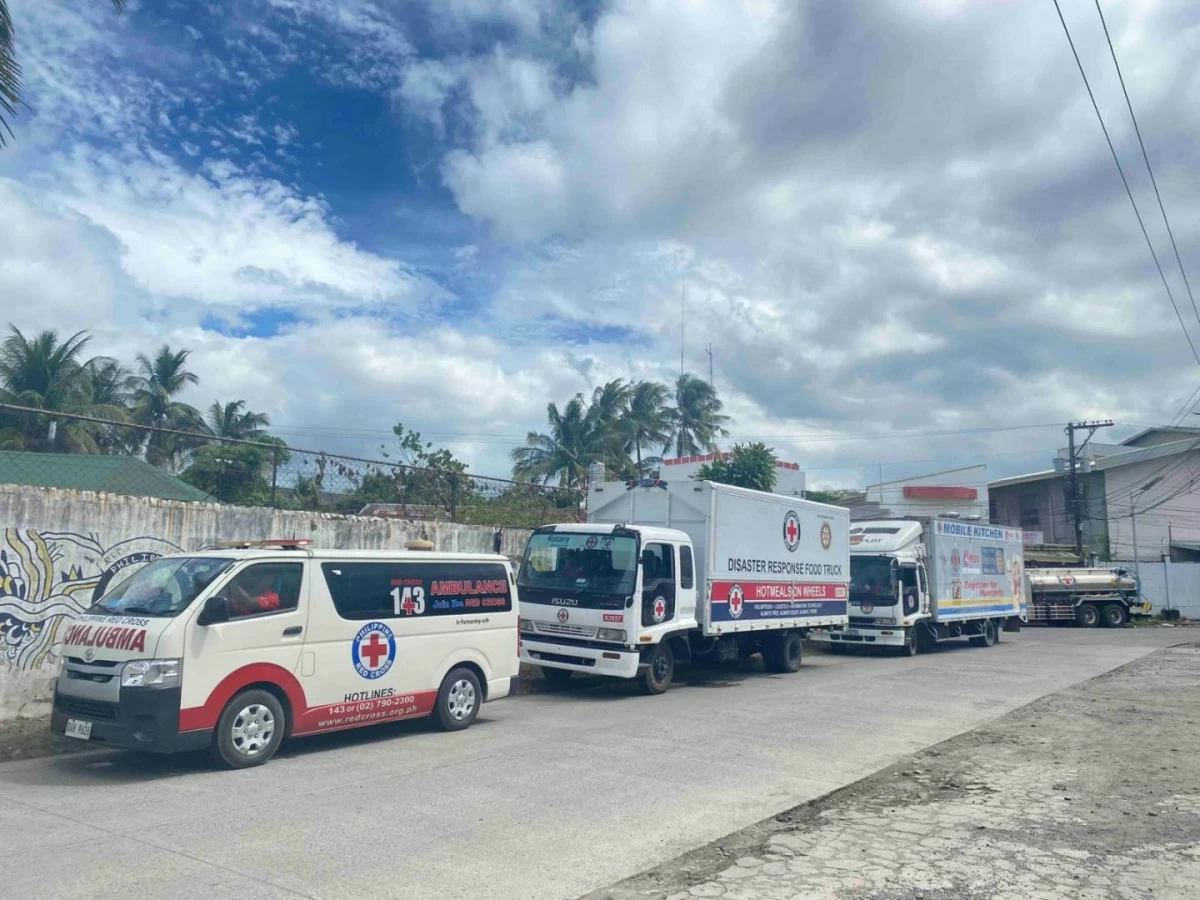
Philippine Red Cross aids Mt. Kanlaon eruption survivors for 237 days in Negros (Photo from PRC)
When Mt. Kanlaon erupted on December 9 last year, the impact rippled across Negros Oriental and Negros Occidental.
Entire communities were forced to evacuate, livelihoods were buried in ash, and uncertainty stretched far beyond the initial days of the disaster.
For many, the eruption was a test of survival. For the Philippine Red Cross (PRC), it was a test of commitment.
When the ash settled
In a statement issued Wednesday, August 20, PRC highlighted its efforts to provide support and assistance to those affected by the eruption.
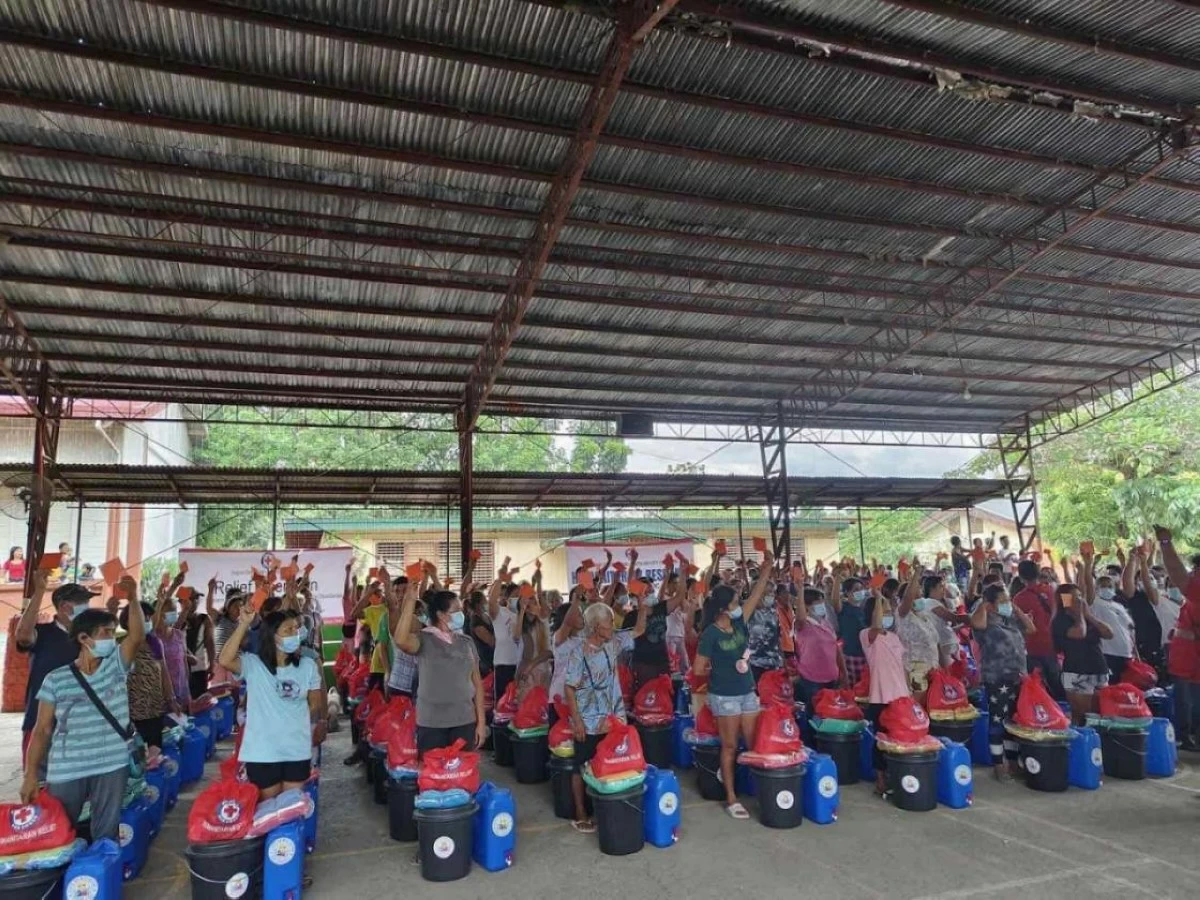
For 237 days, the Philippine Red Cross supported Mt. Kanlaon eruption survivors in Negros with water, food, medical care, and recovery assistance. (Photo from PRC)
From the first day of evacuation to the slow process of recovery, PRC remained on the ground — not for weeks, but for 237 consecutive days, until August 3, 2025.
“When the world no longer watches, we do what must be done,” PRC said.
For 237 straight days — from December 9, 2024, to August 3, 2025 — the organization stood by families affected by the Mt. Kanlaon eruption.
Even when the Philippine Institute of Volcanology and Seismology (Phivolcs) lowered alert levels and authorities advised families to return home, PRC chose to stay.
The message was clear: the duty to protect life and dignity does not end when the headlines fade.
“Even after Phivolcs lowered the alert level and decampment was advised, we never left,” PRC added.
Humanitarian response on a scale
The Mt. Kanlaon operation demonstrated the breadth of PRC’s capabilities and its ability to sustain relief operations for months:
- 11.9 million liters of safe drinking water delivered to 35,836 individuals through water tankers and treatment units;
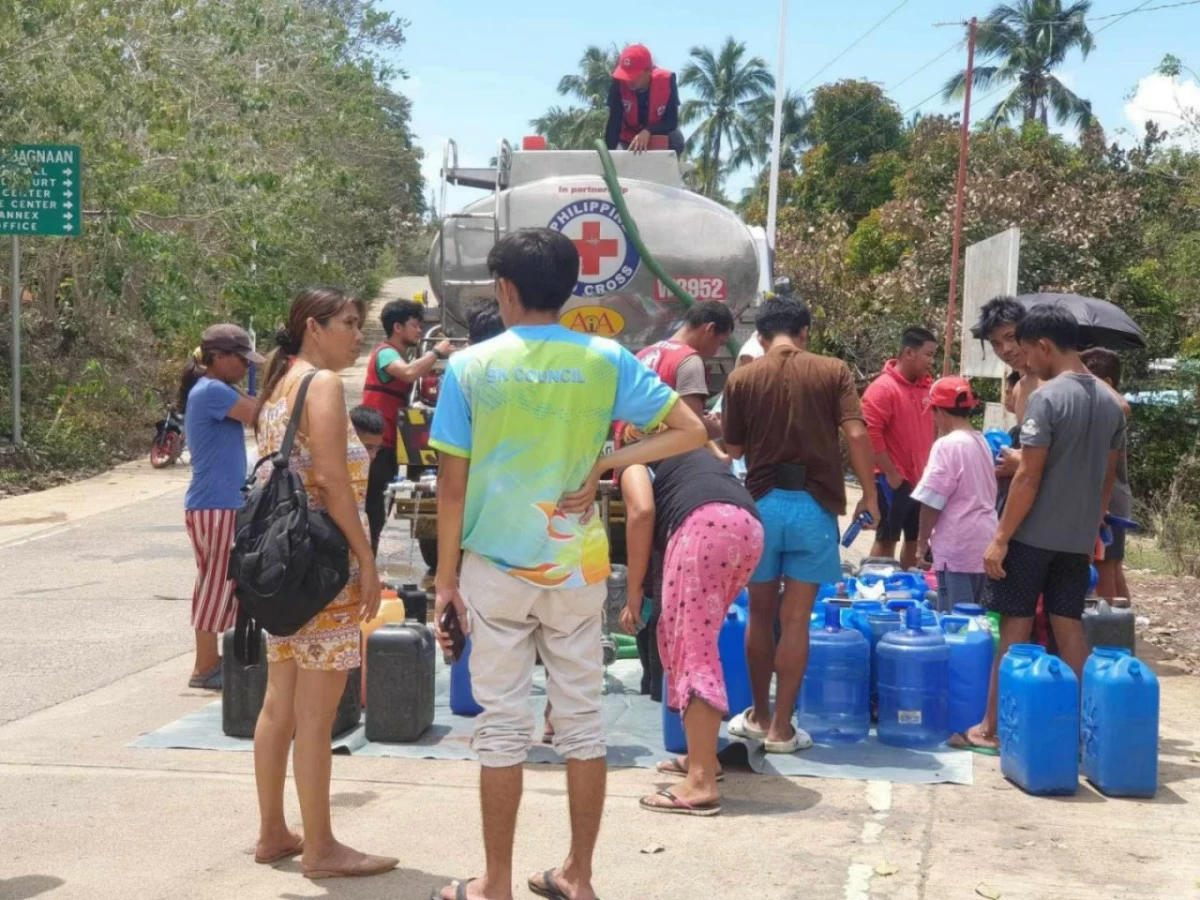
Philippine Red Cross volunteers deliver clean drinking water to Mt. Kanlaon eruption survivors in Negros, part of the 11.9 million liters provided during 237 days of humanitarian aid. (Photo from PRC)
- 25,661 hot meals prepared and served from mobile food trucks;
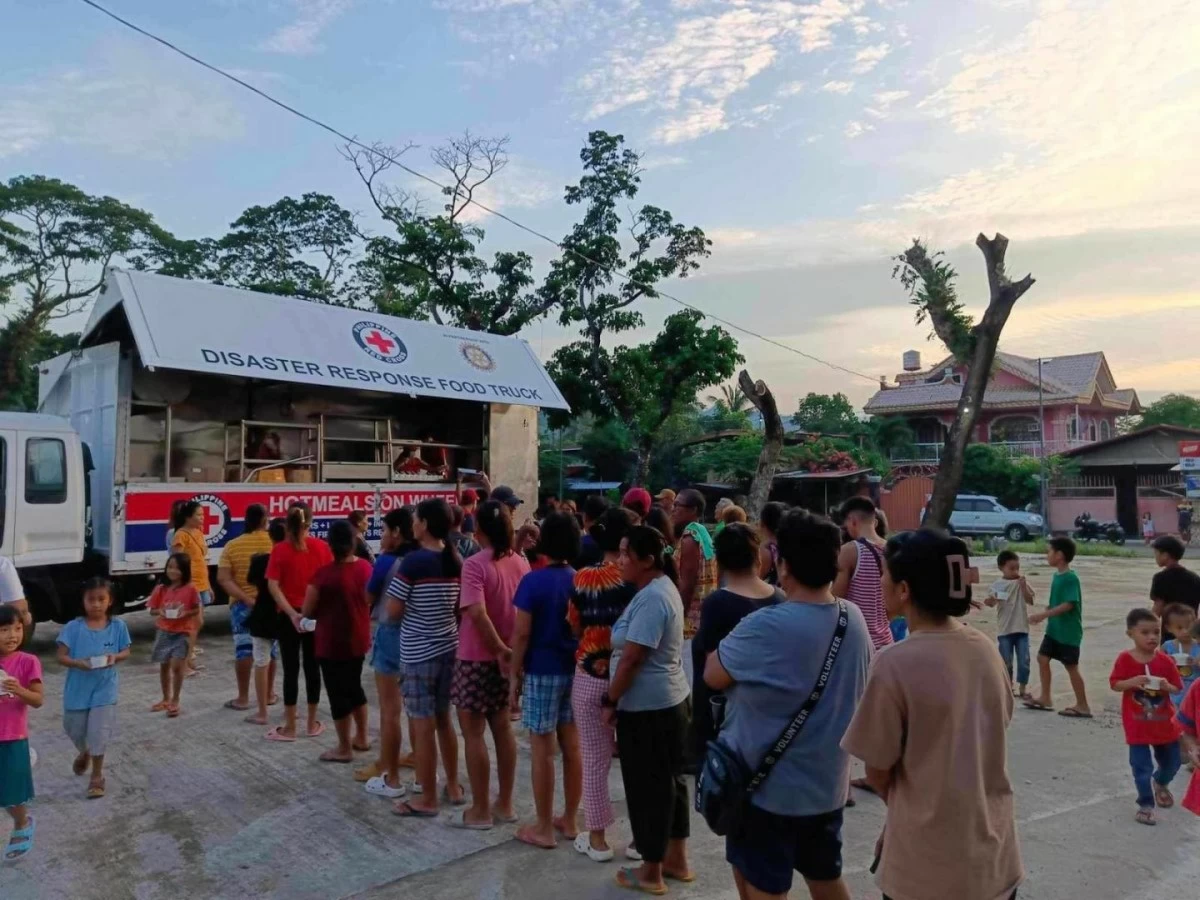
PRC mobile food trucks serve hot meals to Mt. Kanlaon evacuees in Negros, with more than 25,000 meals distributed throughout the relief mission. (Photo from PRC)
- 240 tons of lahar cleared using PRC heavy equipment to reopen access routes and support rehabilitation; and
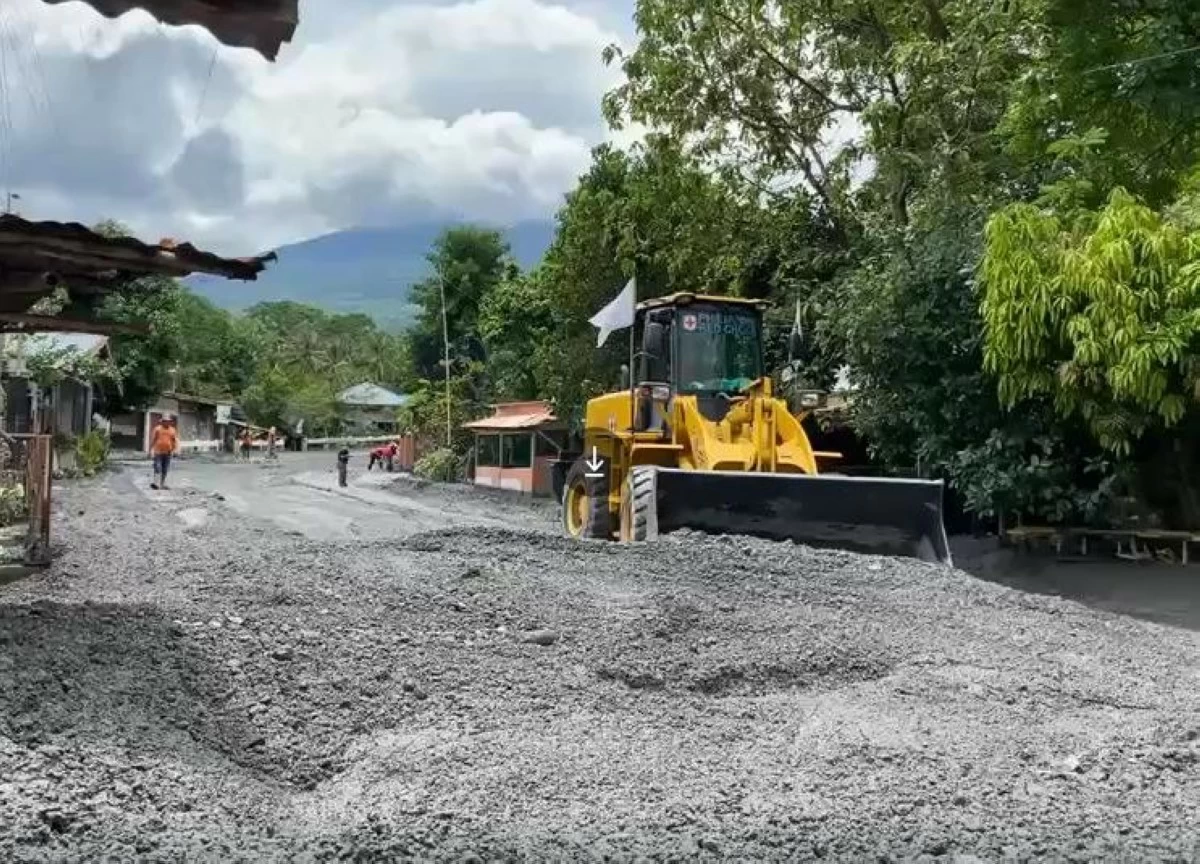
Philippine Red Cross heavy equipment clears lahar and debris from Mt. Kanlaon eruption, restoring road access and supporting recovery in Negros. (Photo from PRC)
- four ambulances continuously deployed for emergencies and medical needs
PRC said it provided comprehensive humanitarian assistance — from food packs, masks, and health education to medical consultations, psychosocial support, and child-friendly spaces.
“Beyond these, the PRC distributed food packs and masks, provided health education, medical consultations, psychosocial support, and child-friendly activities — ensuring no one was forgotten,” the organization said, adding that every intervention was guided by the principle that disaster response must address not only survival, but also dignity, recovery, and hope.
A commitment that endures
For PRC, what set this mission apart was not just its scale but its longevity.
While many relief efforts end once alerts are downgraded, PRC extended its presence for months, ensuring evacuees could transition safely back to their homes and communities.
The organization stressed that compassion does not end when the crisis does and paid tribute to its staff, volunteers, and local chapters in Negros who carried the weight of the mission through long hours and difficult conditions.
“To our staff, volunteers, and local partners in Negros Oriental and Negros Occidental: you have shown that compassion does not end when the crisis does — it endures, day after day,” PRC said.