







President Marcos shelves military pension reform plan
By Derco Rosal
Published Aug 19, 2025 05:14 pm


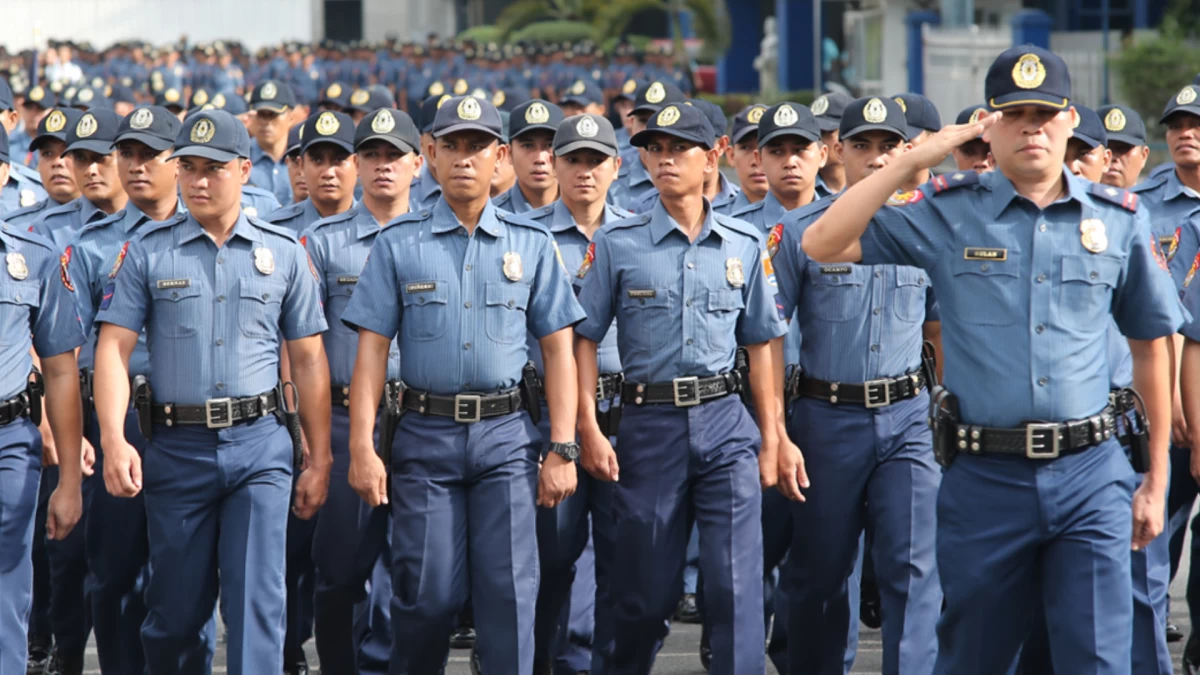
A military and uniformed personnel (MUP) reform has not made the cut for the priority legislation of President Ferdinand Marcos Jr.’s three remaining years, as enacting changes would entail higher costs.
“I think the reform will be more costly at this point in time,” Finance Secretary Ralph G. Recto told reporters on the sidelines of the Cabinet-level Development Budget Coordination Committee (DBCC) briefing on the proposed ₱6.793-trillion 2026 national budget at the House of Representatives on Monday, Aug. 18.
While Department of Budget and Management (DBM) Secretary Amenah F. Pangandaman said Legislative-Executive Development Advisory Council (LEDAC) discussions on this matter will still be held next month, Recto told reporters the reform has already been scrapped.
“I think we already discussed that. The MUP reform is no longer included, at least for the remainder of [Marcos’] term,” Recto said. Pangandaman earlier noted that the DOF is responsible for the pension reform.
Pangandaman had said that while the pension fund allocation for MUP remains unchanged, “there really is no fiscal space.” She also expressed uncertainty over the fate of the bill, which she noted is still pending.
For next year, there is a government allocation of ₱198 billion for the pension and gratuity fund. This is a 36.8 percent increase from ₱144.7 billion from this year’s program, according to the 2026 National Expenditure Program (NEP).
Recto had said last year that reviving the MUP reform bill was not possible, citing the costs it would entail.
Two years ago, the 19th Congress approved House Bill No. 8969, also known as the MUP Pension System Act, mandating new entrants to contribute nine percent of their monthly wages as personal share, while the government shall provide 12 percent.
Meanwhile, the Senate’s MUP reform bill has been pending on second reading since November 2023.
Under Senate Bill No. 2501, or the New Separation, Retirement and Pension System for the MUP, uniformed personnel will receive a monthly pension equal to 50 percent of their base and longevity pay after 20 years of service, with an additional 2.5 percent for every year beyond that, up to a maximum of 90 percent for those who serve 36 years or more.