






Manila Bulletin
 Philippines
National
'Paano na ang Mindanao?': Rodriguez rues 'Manila-centric' 2026 budget
Philippines
National
'Paano na ang Mindanao?': Rodriguez rues 'Manila-centric' 2026 budget
Philippines
National
'Paano na ang Mindanao?': Rodriguez rues 'Manila-centric' 2026 budget
'Paano na ang Mindanao?': Rodriguez rues 'Manila-centric' 2026 budget
Published Aug 19, 2025 03:57 pm


At A Glance
- A ranking congressman from Mindanao has decribed the P6.793-trillion National Expenditure Program (NEP) for 2026 as overly catered to the needs of Metro Manila.
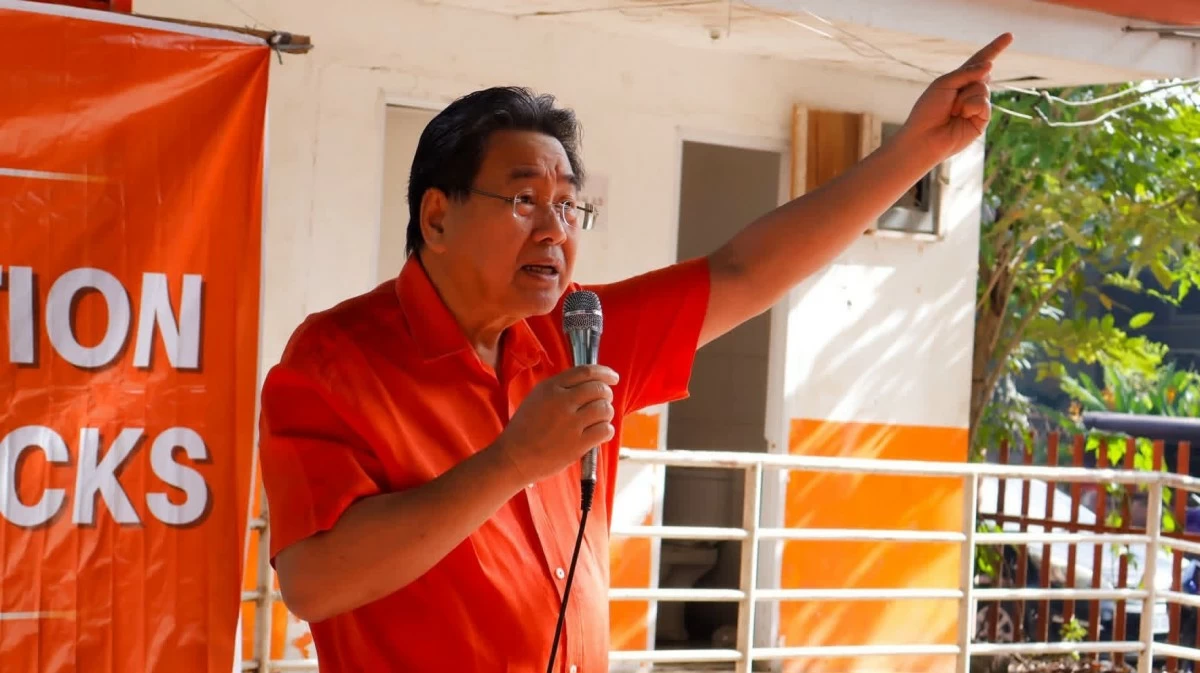
Cagayan de Oro 2nd district Rep. Rufus Rodriguez (Facebook)
A ranking congressman from Mindanao has decribed the P6.793-trillion National Expenditure Program (NEP) for 2026 as overly catered to the needs of Metro Manila.
During the House Committee on Appropriations' briefing with the Development Budget Coordination Committee (DBCC) Monday, Aug. 18, Cagayan de Oro 2nd district Rep. Rufus Rodriguez questioned the "Manila-centric” government spending plan, as he pointed to the disproportionate shares given to Mindanao and Visayas compared to Luzon.
Citing figures from the Department of Budget and Management (DBM), Rodriguez noted that Mindanao is set to receive a “measly amount” with only 15.4 percent of the total budget, while the Visayas will get only 11.1 percent, compared to Luzon with 24.4 percent and the National Capital region (NCR) or Metro Manila with 13.3 percent.
He said that these numbers are significantly lower than in previous years when Mindanao’s share reached 16.6 percent in 2022 and even 17 percent during the 14th and 15th Congresses.
"Mindanao has a population of 26 million Mindanaonons, and that is exactly 22.3 percent of the December figure of the Philippine population of 116 million. Why is Mindanao getting smaller in terms of the budget?" Rodriguez, chairman of the Committee on Constitutional Amendments, asked DBM Secretary Amenah Pangandaman during the briefing.
The veteran legislator warned that the trend shows a diminishing priority for the island’s development despite its economic potential and vast natural resources.
Rodriguez cited statements from the Department of Economy, Planning and Development (DEPDEV) formerly the National Economic Development Authority (NEDA), and underscored the importance of regional inclusion and diversification for sustained growth.
He further emphasized that the imbalance contradicts the government’s vision of inclusive growth. He also said that the reduced allocation hampers much-needed infrastructure, agriculture, education, and livelihood programs in the regions.
Rodriguez also expressed concern that too much of the budget remains under “nationwide” or “centralized” programs, which were implemented primarily by agencies in Metro Manila.
While some of these funds may eventually trickle down to the regions, he argued that such an arrangement lacks transparency and makes it difficult to ensure Mindanao and Visayas truly benefit.
The House leader urged the DBM and other government agencies to reconsider the allocations and ensure a more equitable distribution of resources that reflects the population size and economic contribution of Mindanao and Visayas.
"[The budget] should be pushed already for the regions. Improve the regions, especially Mindanao and Visayas," Rodriguez said.
"We are not going against Luzon. But we will ask that we improve the figures and the percentages of Mindanao by having the Central Office give that to the regions where the projects are needed," he concluded.