ADVERTISEMENT

Philippines retains US raw sugar quota for 2026

Published Aug 18, 2025 12:00 am  |  Updated Aug 16, 2025 03:10 pm
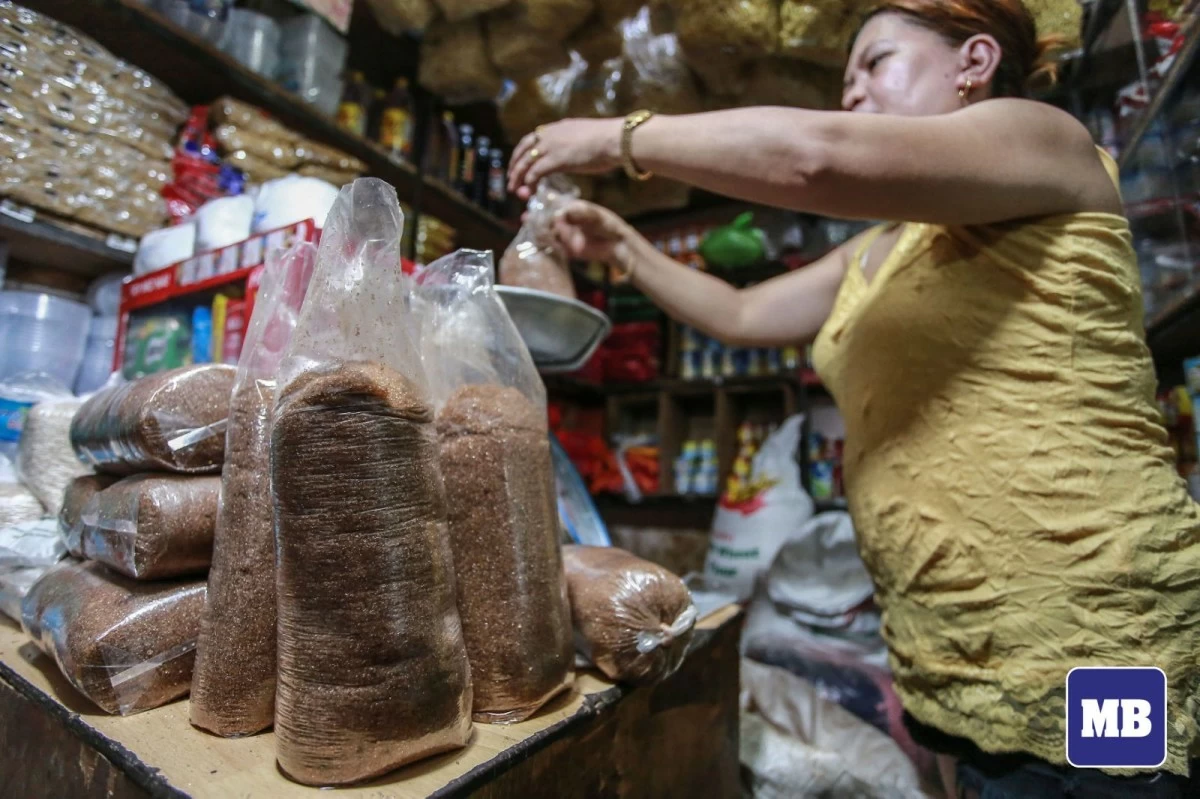
(Manila Bulletin file photo)
The Philippines has once again secured a quota of 145,235 metric tons raw value (MTRV) of raw cane sugar at a lower tariff rate for the upcoming fiscal year (FY), according to the Office of the United States Trade Representative (USTR).
In a statement over the weekend, the USTR announced that the Philippines will have the third-largest allocation for FY 2026, which runs from Oct. 1 to Sept. 30, 2026.
The country is only behind the Dominican Republic at 189,343 MTRV and Brazil at 155,993 MTRV, which also retained their raw sugar quotas.
The Philippines has been allowed to export 145,235 MTRV of raw cane sugar to the US under its tariff-rate quota (TRQ) system for the third-straight FY.
The TRQ, which is allocated based on historical trade volumes, allows countries to export specified quantities of a product to the US at a relatively low tariff.
In total, the US has earmarked 1.12 million MTRV of sugar export quotas for 40 countries, the minimum amount it has committed to under the World Trade Organization (WTO).
In a report released last May, the US Department of Agriculture (USDA) projected that the Philippines will not export any raw sugar to the US during marketing year (MY) 2026, which begins next month and concludes the following August.
The USDA said the country’s sugar output would likely fall below its overall demand, with production estimated to stand at 1.85 million MT, driven in part by declining mill site prices.
To recall, the Philippines was only able to fulfill its trade obligation to the US last year after failing to do so since crop year 2020-2021, when total output reached 2.14 million MT.
To fulfill the raw sugar quota for the next FY, the country will likely bank on the strong momentum it gained this year.
The latest data from the Sugar Regulatory Administration (SRA) showed that raw sugar output has already reached 2.08 million MT as of July, well ahead of the government’s initial forecast of 1.78 million MT.
Despite this, SRA Administrator Pablo Luis Azcona announced last week that all raw sugar output for crop year 2025-2026 will be classified as “B” or domestic sugar.
As of this month, Azcona said SRA has not yet allotted any sugar for export in the upcoming crop year.
“US quota is not yet coming into play now. Among reasons why US quota was implemented then was, apart from respecting trade agreements, we sometimes need to unload raw sugar when milling peaks in January to March,” he said.
Since 2022, SRA has designated the country’s sugar production for the local market, as output continues to fall short of domestic demand.

Related Tags

Office of the United States Trade Representative (USTR) Sugar Regulatory Administration (SRA)
ADVERTISEMENT
.most-popular .layout-ratio{ padding-bottom: 79.13%; } @media (min-width: 768px) and (max-width: 1024px) { .widget-title { font-size: 15px !important; } }

{{ articles_filter_1561_widget.title }}

.most-popular .layout-ratio{ padding-bottom: 79.13%; } @media (min-width: 768px) and (max-width: 1024px) { .widget-title { font-size: 15px !important; } }

{{ articles_filter_1562_widget.title }}

.most-popular .layout-ratio{ padding-bottom: 79.13%; } @media (min-width: 768px) and (max-width: 1024px) { .widget-title { font-size: 15px !important; } }

{{ articles_filter_1563_widget.title }}

{{ articles_filter_1564_widget.title }}

.mb-article-details { position: relative; } .mb-article-details .article-body-preview, .mb-article-details .article-body-summary{ font-size: 17px; line-height: 30px; font-family: "Libre Caslon Text", serif; color: #000; } .mb-article-details .article-body-preview iframe , .mb-article-details .article-body-summary iframe{ width: 100%; margin: auto; } .read-more-background { background: linear-gradient(180deg, color(display-p3 1.000 1.000 1.000 / 0) 13.75%, color(display-p3 1.000 1.000 1.000 / 0.8) 30.79%, color(display-p3 1.000 1.000 1.000) 72.5%); position: absolute; height: 200px; width: 100%; bottom: 0; display: flex; justify-content: center; align-items: center; padding: 0; } .read-more-background a{ color: #000; } .read-more-btn { padding: 17px 45px; font-family: Inter; font-weight: 700; font-size: 18px; line-height: 16px; text-align: center; vertical-align: middle; border: 1px solid black; background-color: white; } .hidden { display: none; }
function initializeAllSwipers() { // Get all hidden inputs with cms_article_id document.querySelectorAll('[id^="cms_article_id_"]').forEach(function (input) { const cmsArticleId = input.value; const articleSelector = '#article-' + cmsArticleId + ' .body_images'; const swiperElement = document.querySelector(articleSelector); if (swiperElement && !swiperElement.classList.contains('swiper-initialized')) { new Swiper(articleSelector, { loop: true, pagination: false, navigation: { nextEl: '#article-' + cmsArticleId + ' .swiper-button-next', prevEl: '#article-' + cmsArticleId + ' .swiper-button-prev', }, }); } }); } setTimeout(initializeAllSwipers, 3000); const intersectionObserver = new IntersectionObserver( (entries) => { entries.forEach((entry) => { if (entry.isIntersecting) { const newUrl = entry.target.getAttribute("data-url"); if (newUrl) { history.pushState(null, null, newUrl); let article = entry.target; // Extract metadata const author = article.querySelector('.author-section').textContent.replace('By', '').trim(); const section = article.querySelector('.section-info ').textContent.replace(' ', ' '); const title = article.querySelector('.article-title h1').textContent; // Parse URL for Chartbeat path format const parsedUrl = new URL(newUrl, window.location.origin); const cleanUrl = parsedUrl.host + parsedUrl.pathname; // Update Chartbeat configuration if (typeof window._sf_async_config !== 'undefined') { window._sf_async_config.path = cleanUrl; window._sf_async_config.sections = section; window._sf_async_config.authors = author; } // Track virtual page view with Chartbeat if (typeof pSUPERFLY !== 'undefined' && typeof pSUPERFLY.virtualPage === 'function') { try { pSUPERFLY.virtualPage({ path: cleanUrl, title: title, sections: section, authors: author }); } catch (error) { console.error('ping error', error); } } // Optional: Update document title if (title && title !== document.title) { document.title = title; } } } }); }, { threshold: 0.1 } ); function showArticleBody(button) { const article = button.closest("article"); const summary = article.querySelector(".article-body-summary"); const body = article.querySelector(".article-body-preview"); const readMoreSection = article.querySelector(".read-more-background"); // Hide summary and read-more section summary.style.display = "none"; readMoreSection.style.display = "none"; // Show the full article body body.classList.remove("hidden"); } document.addEventListener("DOMContentLoaded", () => { let loadCount = 0; // Track how many times articles are loaded const offset = [1, 2, 3, 4, 5, 6, 7, 8, 9, 10]; // Offset values const currentUrl = window.location.pathname.substring(1); let isLoading = false; // Prevent multiple calls if (!currentUrl) { console.log("Current URL is invalid."); return; } const sentinel = document.getElementById("load-more-sentinel"); if (!sentinel) { console.log("Sentinel element not found."); return; } function isSentinelVisible() { const rect = sentinel.getBoundingClientRect(); return ( rect.top < window.innerHeight && rect.bottom >= 0 ); } function onScroll() { if (isLoading) return; if (isSentinelVisible()) { if (loadCount >= offset.length) { console.log("Maximum load attempts reached."); window.removeEventListener("scroll", onScroll); return; } isLoading = true; const currentOffset = offset[loadCount]; window.loadMoreItems().then(() => { let article = document.querySelector('#widget_1690 > div:nth-last-of-type(2) article'); intersectionObserver.observe(article) loadCount++; }).catch(error => { console.error("Error loading more items:", error); }).finally(() => { isLoading = false; }); } } window.addEventListener("scroll", onScroll); });

Sign up by email to receive news.