







Opening doors in Mindanao
Published Aug 18, 2025 12:05 am
|
Updated Aug 17, 2025 04:40 pm


FROM THE MARGINS
Last July 23, at Fully Booked-BGC, we launched Opening Doors in Mindanao: The CARD Paglambo Story, a book I co-wrote with Pia Benitez Yupangco. Surrounded by friends, partners, and champions of inclusive finance, I felt both joy and humility. This book is more than a chronicle of a program—it is a tapestry of faith and resilience, woven by the people of Mindanao themselves.
The event began with Pia and I unveiling the book, sharing the inspirations and stories behind it: the first Shari’ah-inspired financing program designed specifically for Muslim communities. It tells of journeys through fishing villages, bustling markets, and remote barangays, of conversations in council halls, and of countless moments that revealed both the challenges and the deep well of hope in Mindanao.
Bangko Sentral ng Pilipinas Assistant Governor Arifa Ala honored the book as a story of faith, resilience, and inclusive finance — one that uplifts without eroding the culture and values of the communities it serves. Her words reminded me why we embarked on this journey in the first place.
The story of Paglambo traces its roots to 2017, when the Ramon Magsaysay Award Foundation (RMAF) connected CARD MRI with another Magsaysay awardee, Indonesia’s Dompet Dhuafa. As RMAF President Susan Afan shared, this meaningful encounter led to lasting, values-driven change.
Our colleague, Pauline Landicho, read excerpts from the book, recounting our early challenges: navigating unfamiliar cultural contexts, building trust, and designing products that honored Muslims’ faith while meeting their economic needs. Her reading segued into the heart of the launch: the voices of Paglambo clients themselves.
Fuel for a better future
Salama Kanting from Kalangan, Cotabato City, began with a small roadside stand, selling gasoline in soft drink bottles — a risky but necessary way to provide for her children. When she and her husband joined Paglambo, their first ₱30,000 financing allowed them to set up a portable gasoline station. Later, a ₱100,000 financing helped them expand, leading to a contract to supply diesel to an entire company fleet.
They worked long hours, sometimes round-the-clock, serving retailers, motorbike riders, boat owners, and truck drivers who bring water to the town. That hard work has borne fruit — they recently purchased a 600-square-meter lot and begun constructing a second mini-gas station. In the future, they plan to open a convenience store, café, and computer shop.
Salama’s story is proof that when you give people the right tools, they will build dreams bigger than you imagined.
Fishing for a good Life
For Aisa Talipon, business begins before dawn. As a fish vendor, she once struggled with irregular buying trips because customers paid late and capital was scarce.
Paglambo financing changed that. She could now travel regularly to General Santos and Digos, bringing back yellowfin tuna, tilapia, and bangus for her market stalls in Cotabato.
Today, Aisa owns 10 stalls and supplies wholesale to vendors from Parang, Santa Barbara, and even Buldon. Her success comes with peace of mind — each financing includes insurance, which she values deeply as a Muslim: “We are not allowed to die with debt, even five centavos.” Aisa has bought a service vehicle, grown her savings, and secured her family’s future, all while staying rooted in her faith.
Fashion with business sense
Rabia Mangumpig started with Rabi Dress in Cotabato, selling and renting gowns and malong, a traditional wrap-around garment popular in Mindanao. But special-occasion sales were limited. With financing from Paglambo, she was able to buy more fabric from Davao, fueling creative expansion. With her daughter Bina, she designed daily-wear outfits featuring inaul fabric accents, attracting a wider market.
When the pandemic came, Rabia moved her business online under the brand BinaBatik. Orders poured in, even from Luzon and Zamboanga, with Davao as their strongest market. Rabia was able to grow her business, fund her children’s college education and build a new home.
Listening to these women speak, I was struck by how their stories echoed the very principles that guided Paglambo from the start: Respect for culture, empowerment through finance, and the belief that dignity and development must walk hand in hand.
Our distinguished guests reinforced these values. Dr. Gilberto Llanto reflected on how the book captures inclusive, culturally respectful development. Ms. Amina Rasul-Bernardo recognized it as a meaningful contribution to promoting Islamic finance for Mindanaoan communities. Dr. Anwar Radiamoda emphasized bridging financial services with Islamic values, while Dr. Hussein Lidasan underscored that context-sensitive approaches like Paglambo are vital for sustainable development in underserved areas.
Mindanao’s story is still being written. The book’s title, Opening Doors in Mindanao, is both a reflection of what has been achieved and a promise of what is yet to come. Thousands more are waiting for an open door. With faith, partnership, and respect for local communities, I believe those doors will keep opening.
* * *
Shari’ah-compliant services offered by Islamic banking players will positively impact the country’s broader financial landscape.” – Arifa Ala
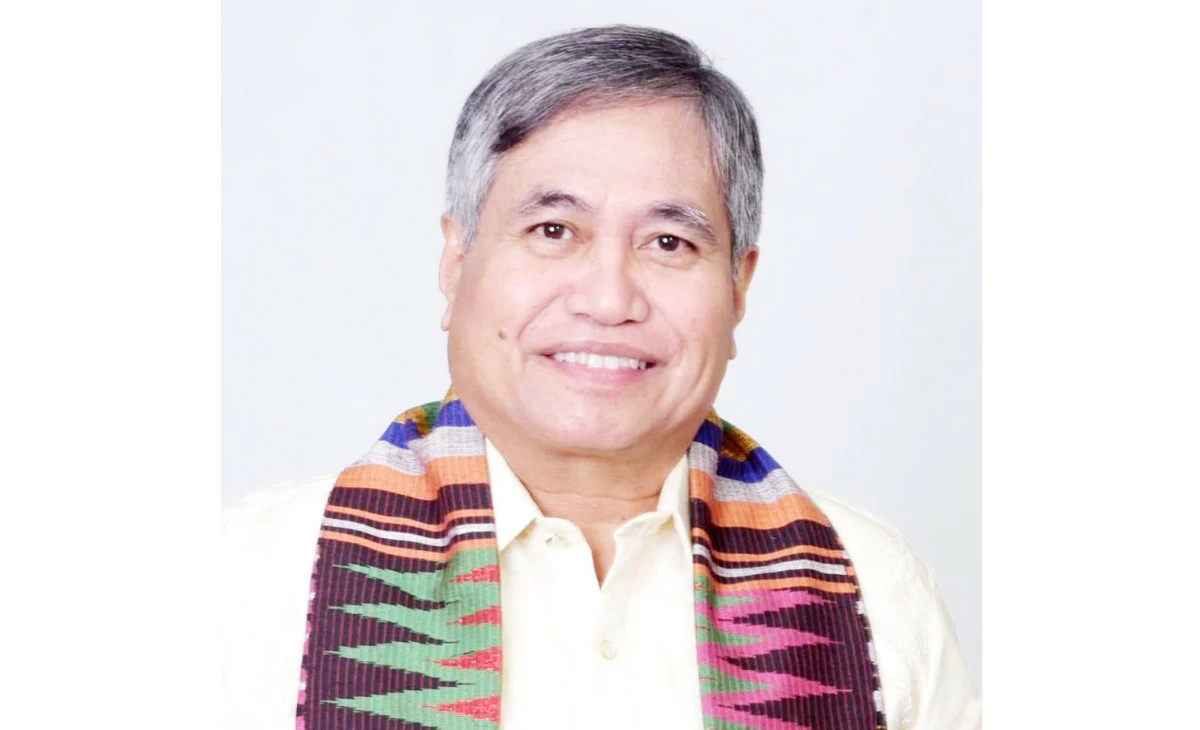
(Dr. Jaime Aristotle B. Alip is a poverty eradication advocate. He is the founder of the Center for Agriculture and Rural Development Mutually-Reinforcing Institutions (CARD MRI), a group of 23 organizations that provide social development services to eight million economically-disadvantaged Filipinos and insure more than 27 million nationwide.)