






Manila Bulletin
 Lifestyle
Fashion and Beauty
Makeup Master Class vs Makeup Artistry School: Which one is for you?
Lifestyle
Fashion and Beauty
Makeup Master Class vs Makeup Artistry School: Which one is for you?
Lifestyle
Fashion and Beauty
Makeup Master Class vs Makeup Artistry School: Which one is for you?
Makeup Master Class vs Makeup Artistry School: Which one is for you?
The pros, cons, and questions to ask before you decide
Published Aug 18, 2025 10:42 am
|
Updated Aug 18, 2025 04:20 pm


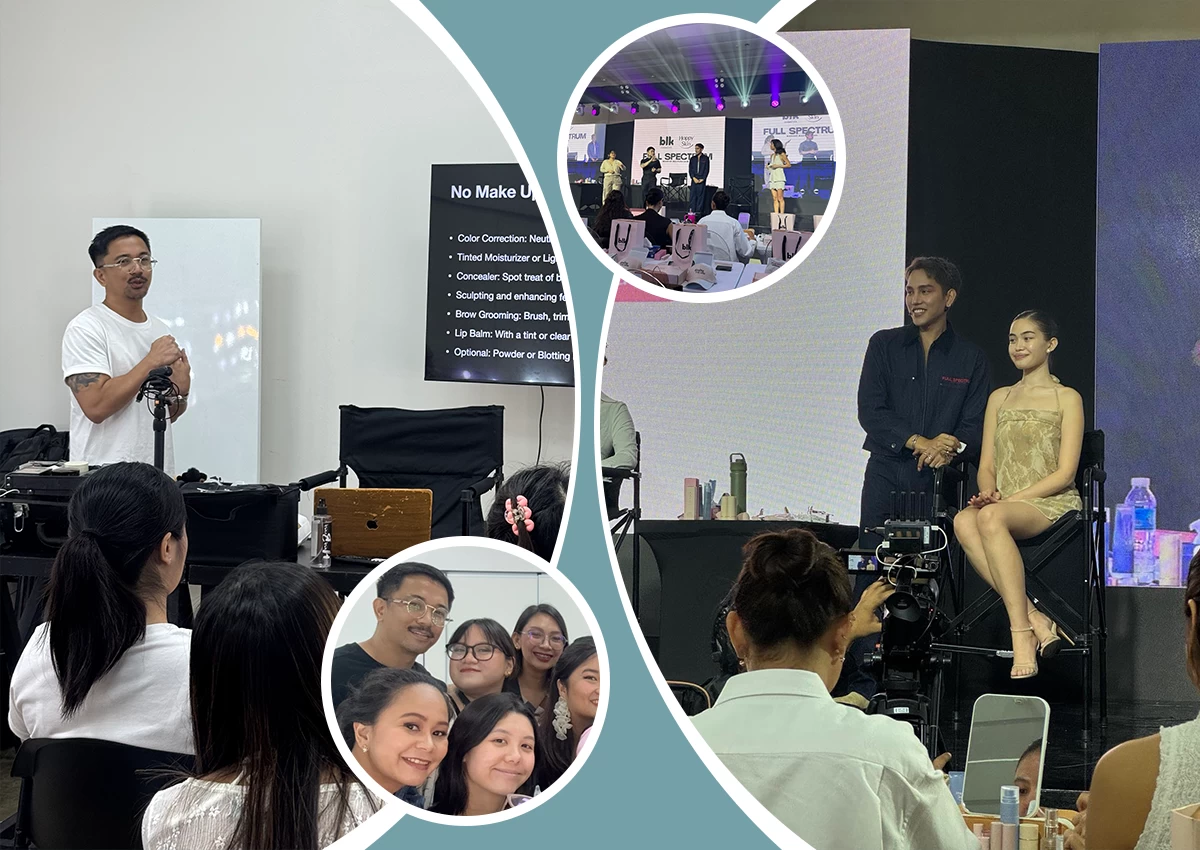
In today’s beauty-obsessed world, where contouring tutorials earn millions of views and a swipe of lipstick can boost confidence, the idea of learning makeup professionally is more appealing than ever. But for aspiring beauty enthusiasts—or even hobbyists—one important question arises: Should you take a quick makeup master class or commit to a makeup artistry school?
To help you answer the question, the author of the story participated in both activities. She attended the recent Full Spectrum Masterclass, which featured celebrity makeup artists Anthea Bueno, Mark Qua, and Jelly Eugenio, in partnership with local makeup brands Blk and Happy Skin. She also took up the Makeup Artistry Certification course at SoFA (School of Fashion and Arts) Design Institute.
Let’s start by breaking down the differences.
What is a makeup master class?
A makeup master class can be thought of as the beauty industry’s equivalent of a crash course. These sessions are typically held over one day or a weekend, and are often led by a well-known makeup artist or brand ambassador, such as those hosted by Full Spectrum group. The focus of these classes is to showcase specific looks, techniques, or trending styles—making them ideal for those who want a quick yet impactful learning experience.
Master classes are often interactive, with live demonstrations and Q&A (question-and-answer) sessions. Some classes provide hands-on practice, while others focus more on observation and product tips. One of the benefits of attending a class in partnership with brands is that makeup products and tools are often included in the course fee. Most master classes in the country are full-day sessions, so meals are usually provided.
This is best for:
Busy individuals who cannot commit to regular classes
Makeup enthusiasts looking to enhance personal skills
Professionals in other fields (e.g., hairstylists, photographers) wanting to expand services
Those seeking inspiration and insider tips from top artists
Downside:
Limited scope—may not deep dive into theory or business skills
May not provide official certification
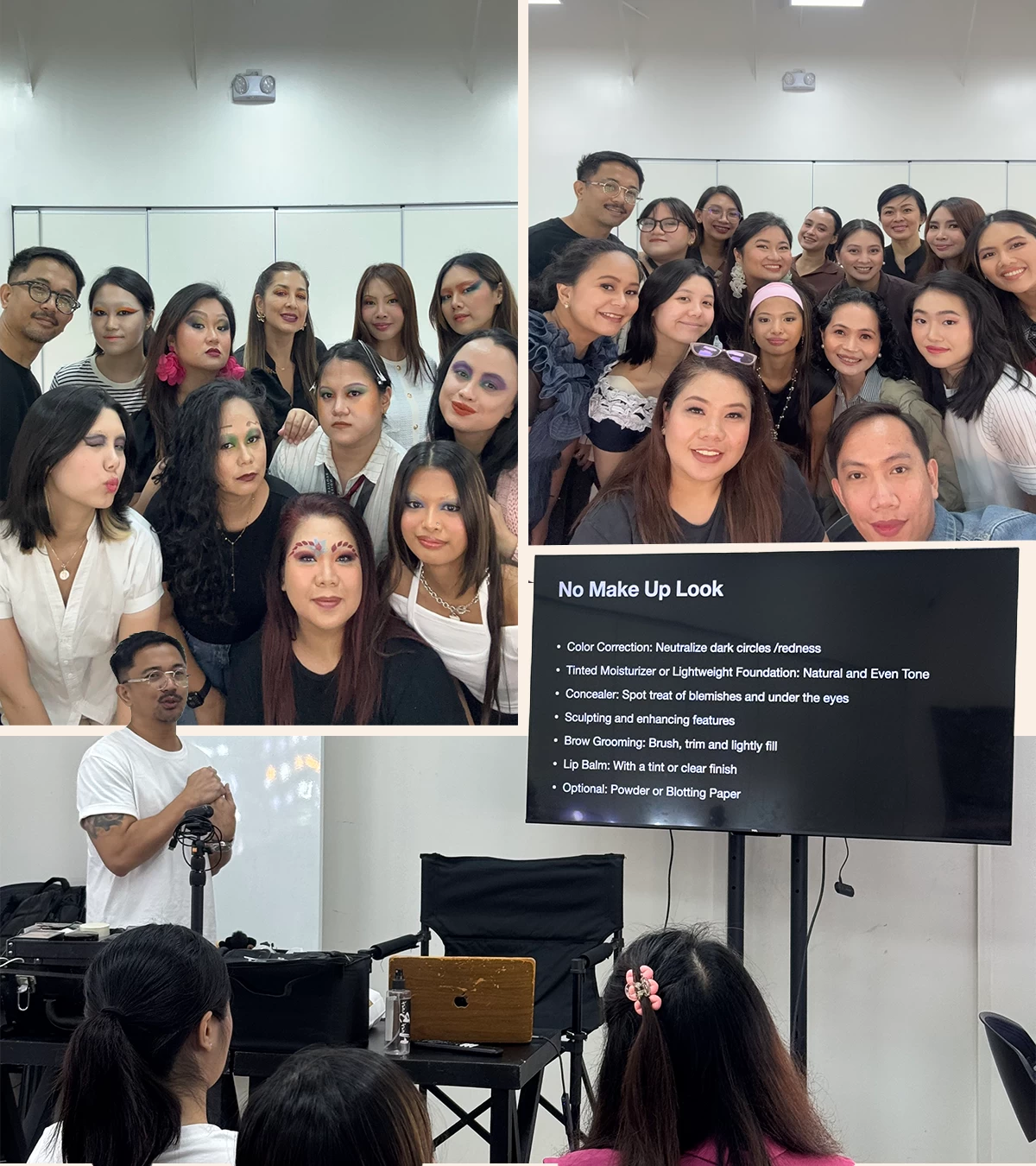
The author during the SoFA Makeup Artistry program
What is a makeup artistry school?
Makeup artistry schools provide structured, comprehensive programs that typically last from a few weeks to several months. For example, the summer workshop at SoFA may last a couple of weeks, while others programs can extend up to a full term, which is three months or more. The curriculum covers a wide range of skills, including beauty makeup, special effects, color theory, skin preparation, sanitation, and client management.
These programs are designed for those who want to build a career in the industry. Many schools also provide portfolio-building opportunities, internships, and certification—credentials that can help land jobs in fashion, film, TV, or bridal makeup.
This is best for:
Aspiring professional makeup artists
Individuals seeking formal training and certification
Students pursuing careers in film, theater, beauty retail, or freelance artistry
Downside:
Requires a larger investment of time and money
Involves a heavier commitment, making it less suitable for who are uncertain about pursuing makeup professionally
Before making a decision, consider the following questions:
What is my goal?
If your aim is to enhance your everyday makeup skills or learn the latest trends, a master class may suffice. If you’re serious about pursuing a career as a full-time makeup artist, enrolling in a school would be a better choice.
How much time can I invest?
Master classes are typically offered over a weekend, while makeup artistry schools require a commitment of several weeks or months.
What is my budget?
Master classes, especially those partnered with reputable brands, tend to be more expensive, but tools and makeup are often provided. Meanwhile, some artistry schools may have lower tuition fees, but you’ll need to build your own kit from scratch.
The verdict
There isn’t a one-size-fits-all answer to these questions. A master class is like a beauty boot camp—fast, exciting, and instantly inspiring. In contrast, attending a makeup artistry school is a long-term investment in your skills and career.
If you’re still unsure, start with a master class to test the waters. If the experience ignites your passion for makeup, that might just be the sign to take the plunge into a full-fledged makeup artistry program.
Because in the world of beauty, whether you spend a day or a year learning, the real magic happens when passion meets skill—with a brush in your hand.