

ADVERTISEMENT

Israel under attack: Where the sun sets, fear rises

Published Aug 18, 2025 11:26 am
TEL AVIV, Israel—The sun started fading and the beach was getting even packed. Some were lying on benches, reading books or enjoying their cocktails.
Anybody would dream it: a slow life connected with nature. Except this is Israel, where, once, as the sun set, the fear rose.
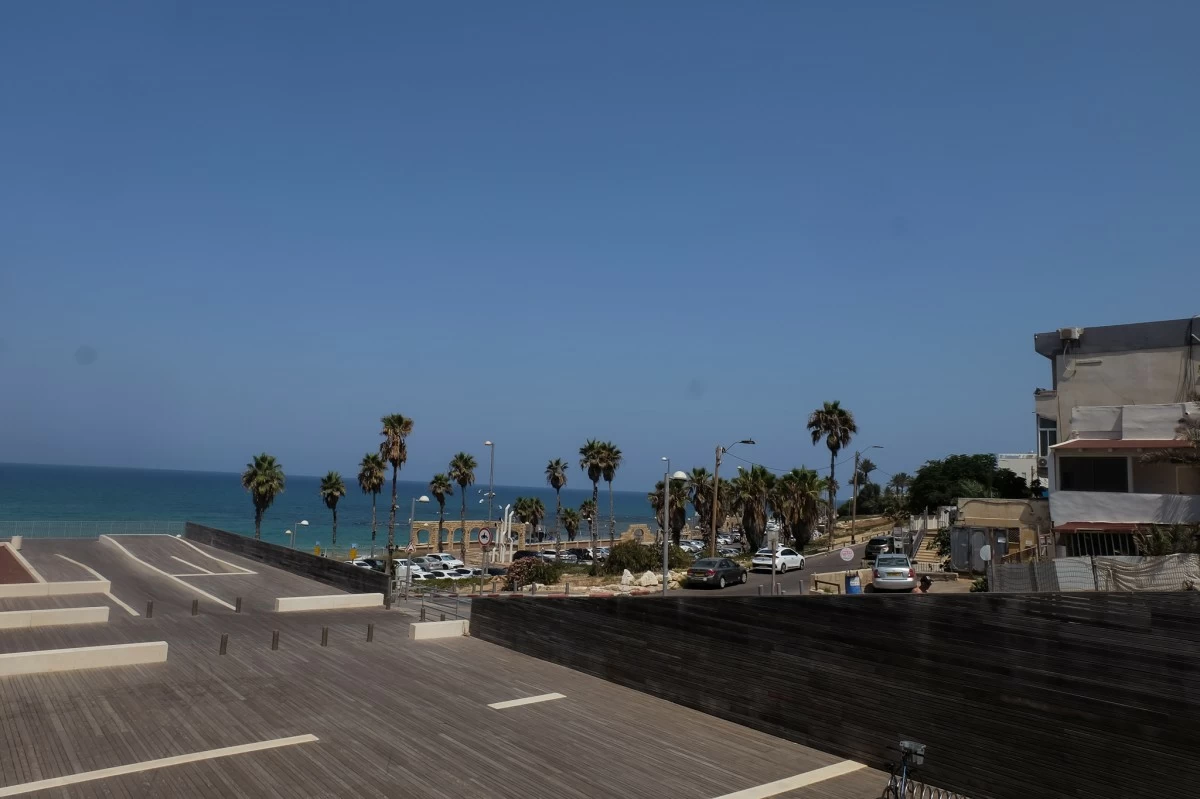
On June 13, Israel launched Operation Rising Lion that targeted nuclear facilities and nuclear scientists of Iran, which allegedly funds Hamas in terror attacks towards the Jewish state. Iran retaliated, sending a barrage of missiles towards Israel, killing at least 28.
Attacks from Tehran were mostly launched at night. For twelve days, loud sirens would wake up Israelis, demanding them to get up and take shelter. It was hard to sleep, said 28-year-old Oren Mor Levin.
For Israelis, that wasn't unusual. Many of them just got used to living in a country under constant threat. On Aug. 17, Sunday, the siren was once again activated after Israel detected a missile launch from Yemen.
Israel adapts
Since its establishment in 1948, Israel has been subject to attacks, particularly from its neighboring Arab countries, and is involved in several conflicts and wars—from small scale to large ones. These included the Arab-Israeli war in 1948, the Six-Day War in 1967, the Yom Kippur War in 1973, the first and second Intifada in 1987 and 2000 and the latest war with Hamas in 2023.
It learned to adapt.
On the streets, some Israelis casually walk carrying long firearms, ready to defend themselves and the country in case of a terror attack.
In Haifa, north of Israel, the government built one of its largest underground hospitals under the Rambam Hospital.
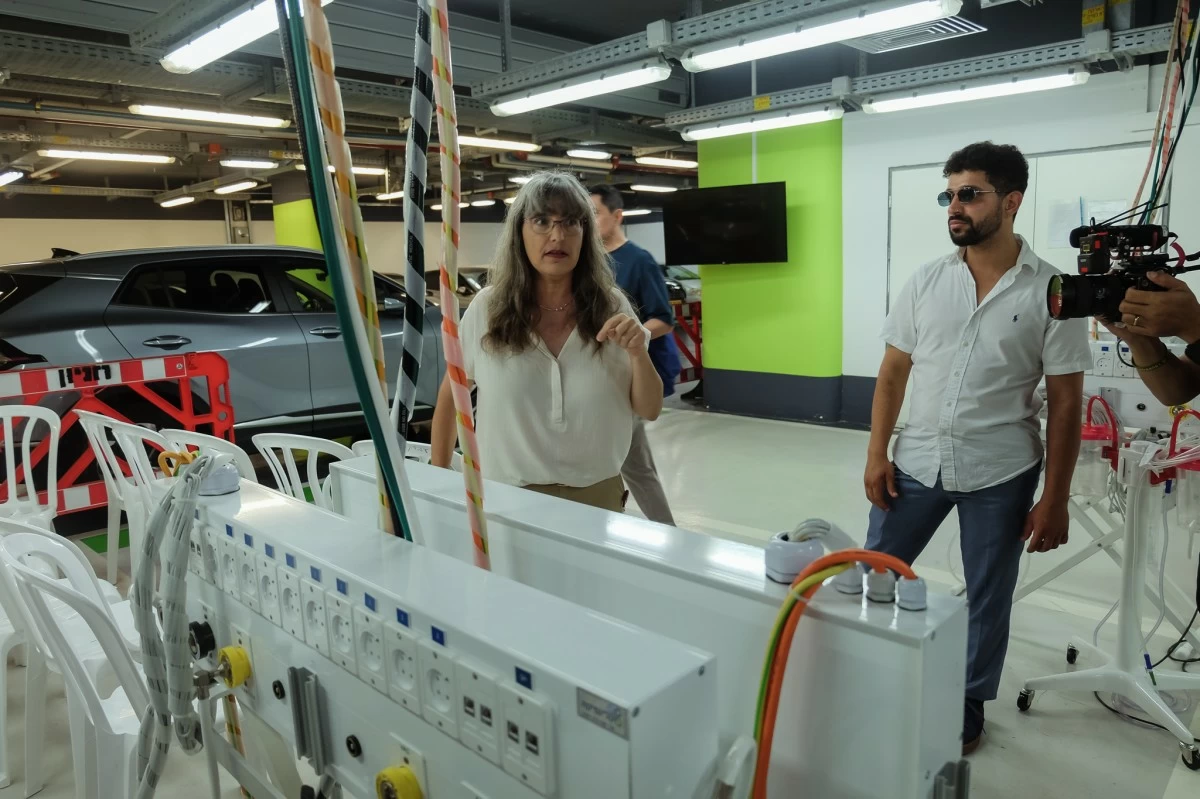
The underground hospital, which opened in 2014, is situated 16 meters below the ground and nine meters under sea level.
It was "built on lessons from the Second Lebanon War," it said in its website. Close to 1,500 people in Israel were killed.
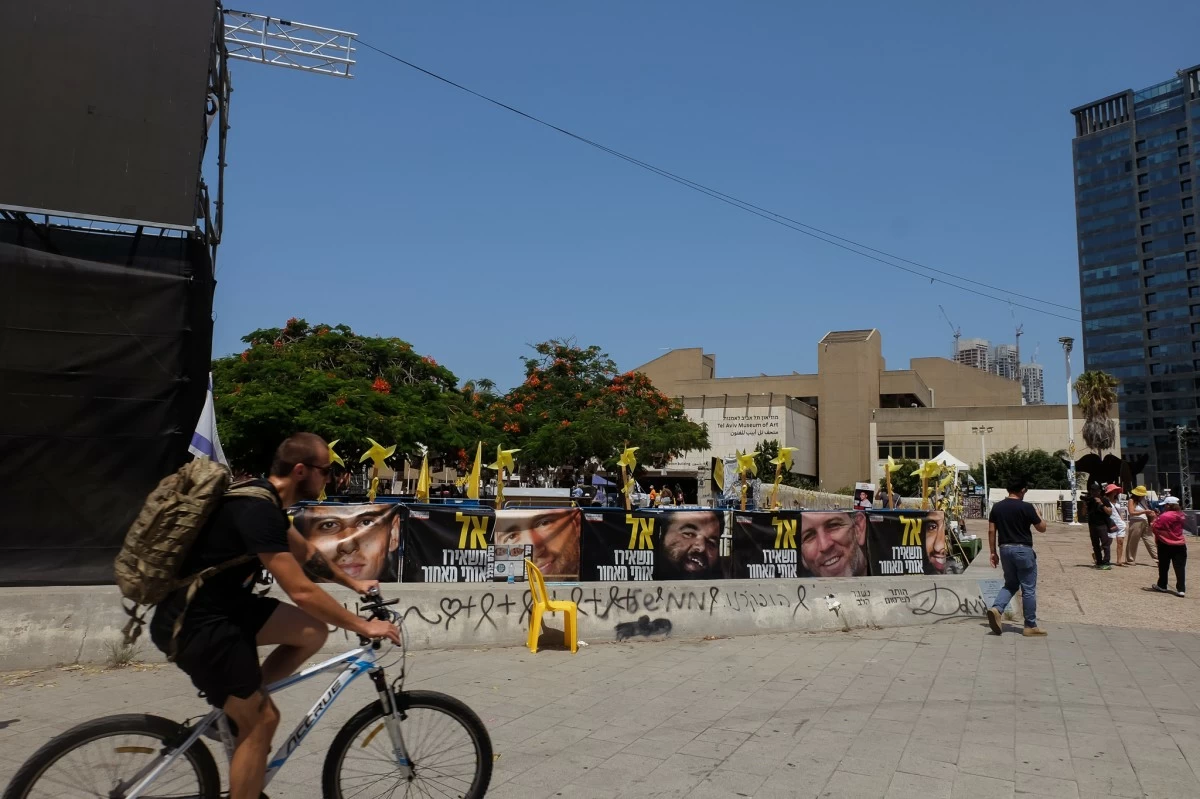
During Iran's recent attack on Israel, the underground hospital, which is a three-level underground parking lot, transformed into a 2,000-bed hospital within 72 hours, ready to accommodate upcoming patients.
Tourism
Israel’s ongoing war with Gaza-based Hamas, which already resulted in more conflicts with other terror groups in its neighboring countries, such as the Hezbollah in Lebanon and Houthis in Yemen, also affected its tourism.
In May, it reported an "unprecedented fall" in tourism revenues with $3.4 billion losses since its war with Hamas in 2023. According to the Israeli Tourism Ministry, tourist arrivals dropped by more than 90 percent since then.
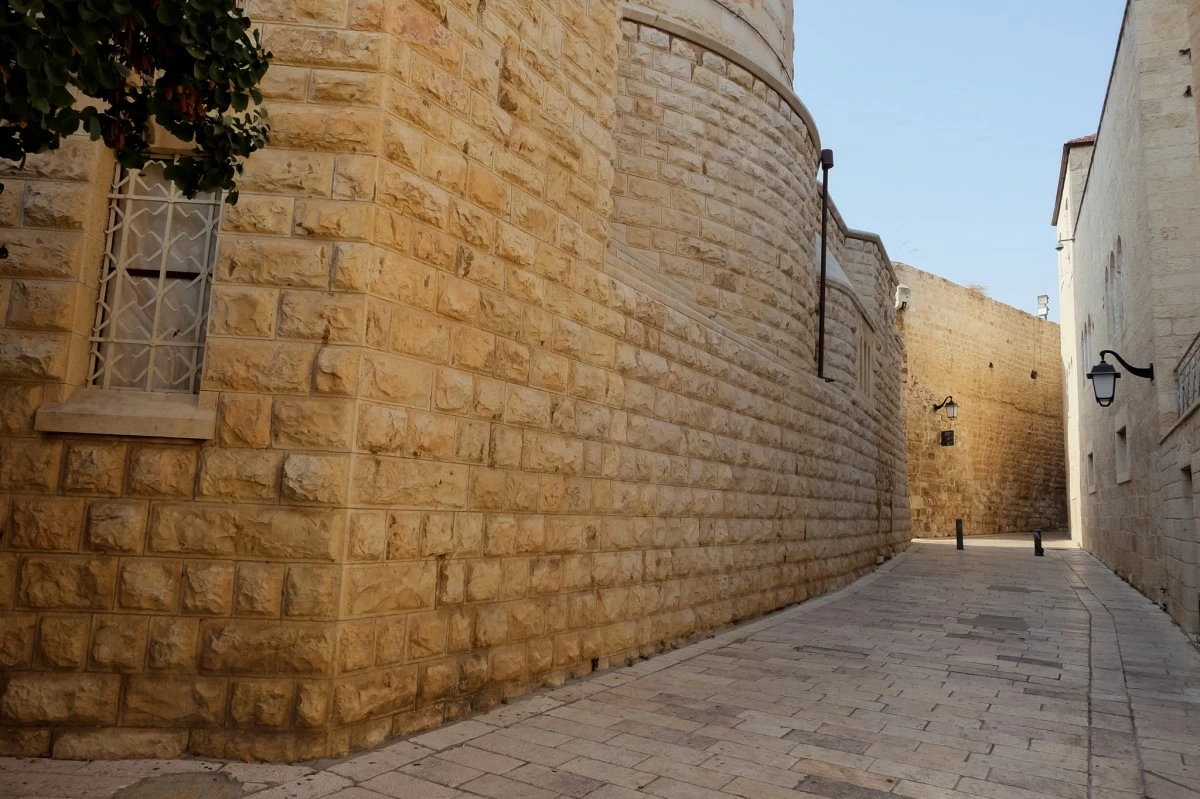
Jerusalem—home to the holiest sites of three Abrahamic religions Jew, Christianity and Islam—experienced a sharp decline in tourists.
The Church of the Holy Sepulchre, where Jesus is believed to be buried, is no longer packed.
There are no more lines of Christian pilgrims, who before had to line up for up to four hours just to enter and pray inside the Tomb of Jesus Christ.
Overlooking Gaza
From a hilltop in Sderot is an overlooking view of Gaza, where barbed wires were installed to prevent Palestinians illegally crossing into the country.
But on Oct. 7, 2023, Hamas terrorists breached into these fences. Then, they shot at anyone, threw grenades, launched rocket attacks, and killed at least 1,200 people.
Danny Majzner just finished his early morning bicycle habit when he heard sirens wailing in his kibbutz.
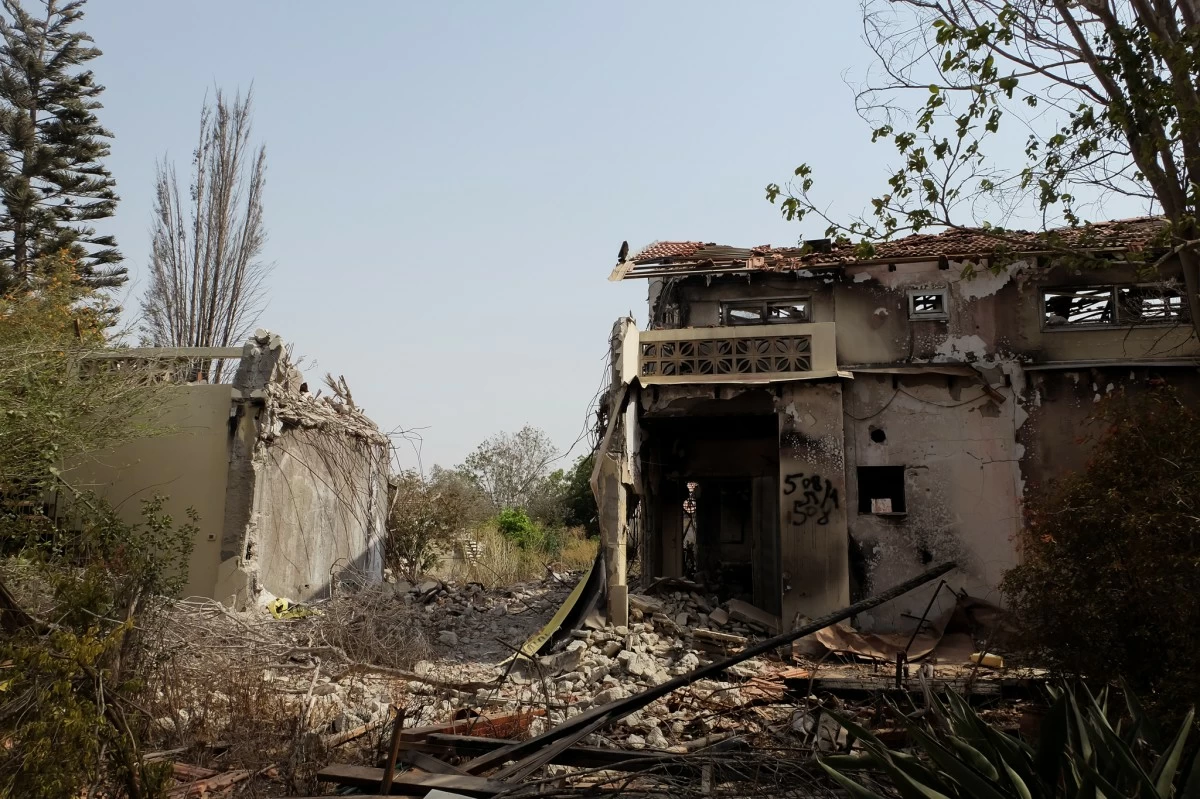
He was already close to his house in Kibbutz Be’eri when he decided to just seek safety in a nearby shelter instead. Little did he know that Hamas had already infiltrated in his neighborhood and killed 102 people, including his elder sister.
In Kibbutz Re’im, around 3,000 youngsters were at the Nova music festival when they heard gunfire and explosions.
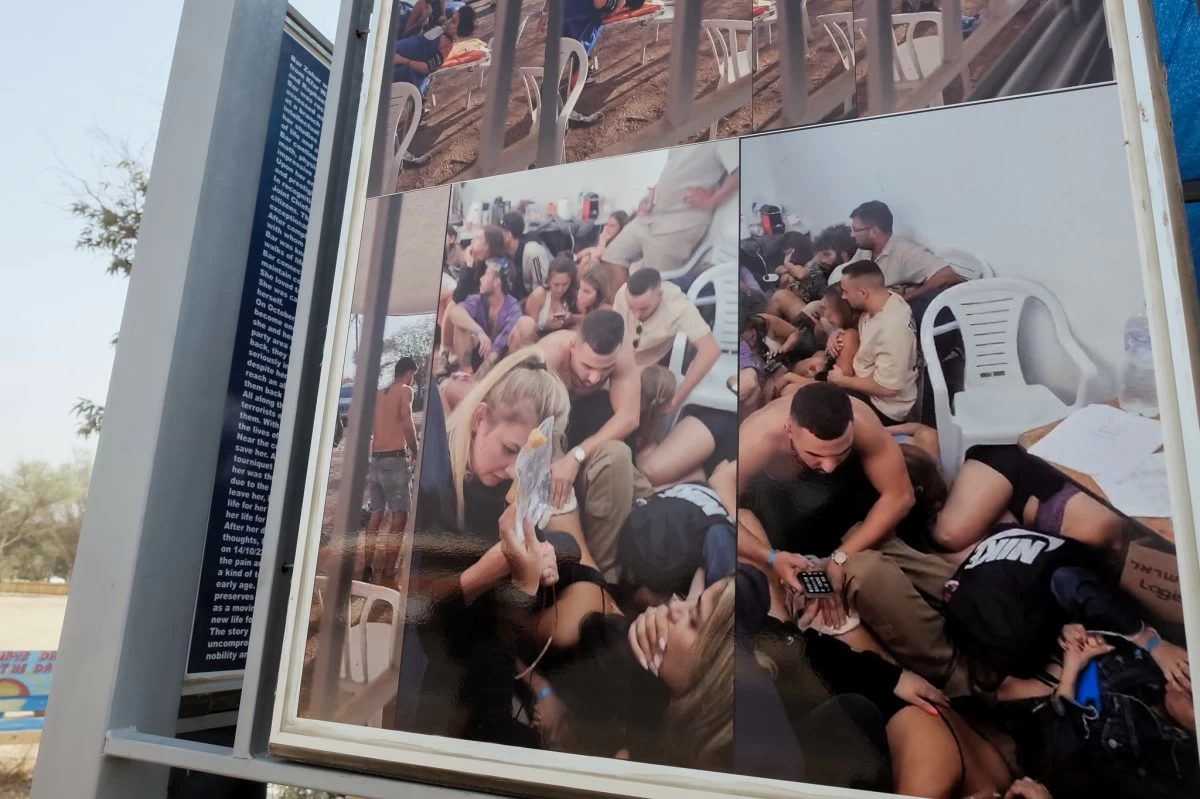
It was supposed to be a lovely day. They spent the night at the Re’im parking lot, partied with friends, and enjoyed the life.
The sun had just risen. But as the darkness faded, horrors unfolded. Many Israelis were lying dead.
ADVERTISEMENT
.most-popular .layout-ratio{ padding-bottom: 79.13%; } @media (min-width: 768px) and (max-width: 1024px) { .widget-title { font-size: 15px !important; } }

{{ articles_filter_1561_widget.title }}

.most-popular .layout-ratio{ padding-bottom: 79.13%; } @media (min-width: 768px) and (max-width: 1024px) { .widget-title { font-size: 15px !important; } }

{{ articles_filter_1562_widget.title }}

.most-popular .layout-ratio{ padding-bottom: 79.13%; } @media (min-width: 768px) and (max-width: 1024px) { .widget-title { font-size: 15px !important; } }

{{ articles_filter_1563_widget.title }}

{{ articles_filter_1564_widget.title }}

.mb-article-details { position: relative; } .mb-article-details .article-body-preview, .mb-article-details .article-body-summary{ font-size: 17px; line-height: 30px; font-family: "Libre Caslon Text", serif; color: #000; } .mb-article-details .article-body-preview iframe , .mb-article-details .article-body-summary iframe{ width: 100%; margin: auto; } .read-more-background { background: linear-gradient(180deg, color(display-p3 1.000 1.000 1.000 / 0) 13.75%, color(display-p3 1.000 1.000 1.000 / 0.8) 30.79%, color(display-p3 1.000 1.000 1.000) 72.5%); position: absolute; height: 200px; width: 100%; bottom: 0; display: flex; justify-content: center; align-items: center; padding: 0; } .read-more-background a{ color: #000; } .read-more-btn { padding: 17px 45px; font-family: Inter; font-weight: 700; font-size: 18px; line-height: 16px; text-align: center; vertical-align: middle; border: 1px solid black; background-color: white; } .hidden { display: none; }
function initializeAllSwipers() { // Get all hidden inputs with cms_article_id document.querySelectorAll('[id^="cms_article_id_"]').forEach(function (input) { const cmsArticleId = input.value; const articleSelector = '#article-' + cmsArticleId + ' .body_images'; const swiperElement = document.querySelector(articleSelector); if (swiperElement && !swiperElement.classList.contains('swiper-initialized')) { new Swiper(articleSelector, { loop: true, pagination: false, navigation: { nextEl: '#article-' + cmsArticleId + ' .swiper-button-next', prevEl: '#article-' + cmsArticleId + ' .swiper-button-prev', }, }); } }); } setTimeout(initializeAllSwipers, 3000); const intersectionObserver = new IntersectionObserver( (entries) => { entries.forEach((entry) => { if (entry.isIntersecting) { const newUrl = entry.target.getAttribute("data-url"); if (newUrl) { history.pushState(null, null, newUrl); let article = entry.target; // Extract metadata const author = article.querySelector('.author-section').textContent.replace('By', '').trim(); const section = article.querySelector('.section-info ').textContent.replace(' ', ' '); const title = article.querySelector('.article-title h1').textContent; // Parse URL for Chartbeat path format const parsedUrl = new URL(newUrl, window.location.origin); const cleanUrl = parsedUrl.host + parsedUrl.pathname; // Update Chartbeat configuration if (typeof window._sf_async_config !== 'undefined') { window._sf_async_config.path = cleanUrl; window._sf_async_config.sections = section; window._sf_async_config.authors = author; } // Track virtual page view with Chartbeat if (typeof pSUPERFLY !== 'undefined' && typeof pSUPERFLY.virtualPage === 'function') { try { pSUPERFLY.virtualPage({ path: cleanUrl, title: title, sections: section, authors: author }); } catch (error) { console.error('ping error', error); } } // Optional: Update document title if (title && title !== document.title) { document.title = title; } } } }); }, { threshold: 0.1 } ); function showArticleBody(button) { const article = button.closest("article"); const summary = article.querySelector(".article-body-summary"); const body = article.querySelector(".article-body-preview"); const readMoreSection = article.querySelector(".read-more-background"); // Hide summary and read-more section summary.style.display = "none"; readMoreSection.style.display = "none"; // Show the full article body body.classList.remove("hidden"); } document.addEventListener("DOMContentLoaded", () => { let loadCount = 0; // Track how many times articles are loaded const offset = [1, 2, 3, 4, 5, 6, 7, 8, 9, 10]; // Offset values const currentUrl = window.location.pathname.substring(1); let isLoading = false; // Prevent multiple calls if (!currentUrl) { console.log("Current URL is invalid."); return; } const sentinel = document.getElementById("load-more-sentinel"); if (!sentinel) { console.log("Sentinel element not found."); return; } function isSentinelVisible() { const rect = sentinel.getBoundingClientRect(); return ( rect.top < window.innerHeight && rect.bottom >= 0 ); } function onScroll() { if (isLoading) return; if (isSentinelVisible()) { if (loadCount >= offset.length) { console.log("Maximum load attempts reached."); window.removeEventListener("scroll", onScroll); return; } isLoading = true; const currentOffset = offset[loadCount]; window.loadMoreItems().then(() => { let article = document.querySelector('#widget_1690 > div:nth-last-of-type(2) article'); intersectionObserver.observe(article) loadCount++; }).catch(error => { console.error("Error loading more items:", error); }).finally(() => { isLoading = false; }); } } window.addEventListener("scroll", onScroll); });

Sign up by email to receive news.