ADVERTISEMENT

Empowering justice: Why fiscal autonomy is important

Published Aug 18, 2025 12:05 am  |  Updated Aug 17, 2025 04:33 pm
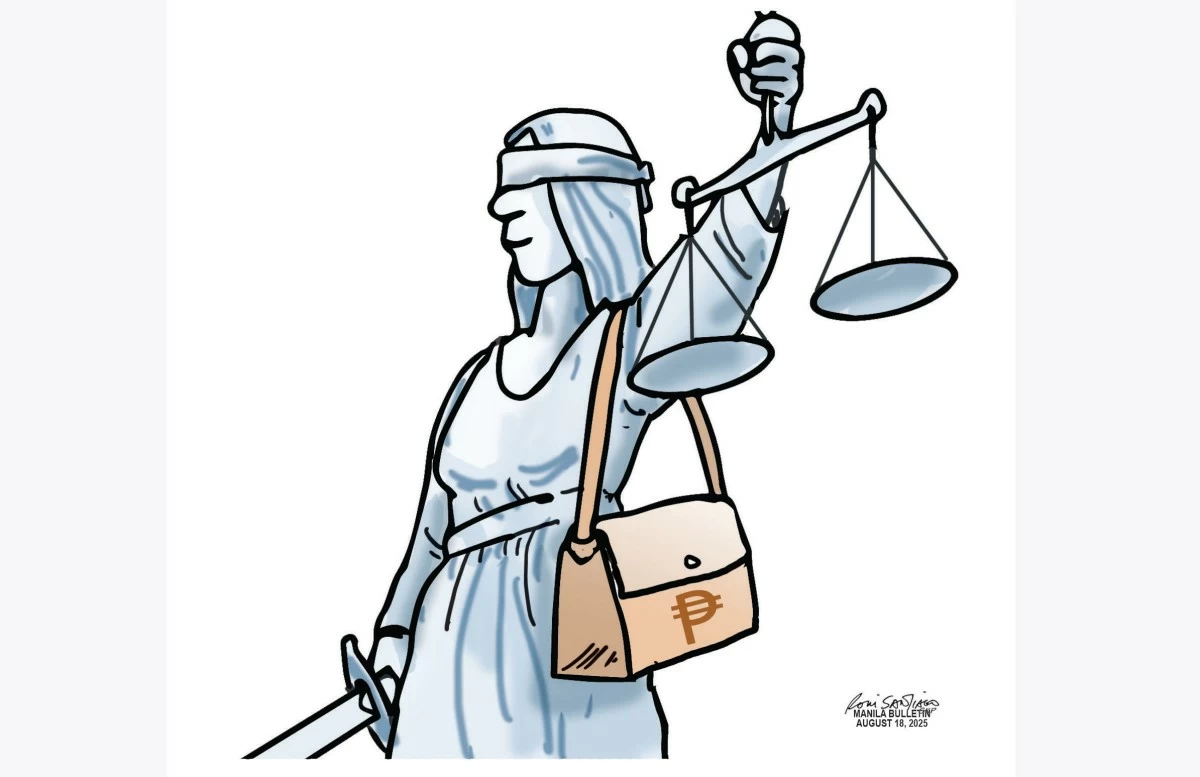
The recent signing into law of Republic Act No. 12233, also known as the Judicial Fiscal Autonomy Act, by President Ferdinand R. Marcos Jr. marks a pivotal moment in the continuing pursuit of justice sector reform in the Philippines.
This landmark legislation grants the judiciary greater control over its budget and financial operations, an essential step in strengthening the independence and integrity of our courts under the Supreme Court’s Strategic Plan for Judicial Innovations (SPJI) 2022-2027, the landmark reform program being steered by the en banc under the leadership of Chief Justice Alexander Gesmundo.
For decades, the judiciary’s dependence on the executive and legislative branches for fund releases has constrained its operational capacity and compromised its autonomy. RA 12233 corrects this long-standing imbalance by reinforcing what the 1987 Constitution has already enshrined: fiscal autonomy for the judicial branch. The law mandates that the judiciary’s budget, once appropriated, shall be automatically and regularly released, free from interference or delay.
This legal development is not merely procedural. It is transformative.
Through the lens of the SPJI, which seeks to establish a technology-driven, accessible, and efficient justice system, the implications of fiscal autonomy are far-reaching. The judiciary can now plan and execute long-term infrastructure projects, upgrade digital systems, and invest in human capital without the uncertainties of bureaucratic bottlenecks. From building more courtrooms to modernizing court processes with artificial intelligence and e-courts, the potential to deliver faster and more reliable justice has never been more attainable.
The Filipino people, particularly the poor and marginalized, stand to gain the most. Delayed justice—often due to lack of funding for judges, public attorneys, or court facilities—has historically deepened the wounds of inequality. With enhanced fiscal autonomy, the judiciary can ensure better access to justice across the archipelago, especially in far-flung and underserved areas. Timely justice delivery will improve trust in institutions, boost investor confidence, and promote peace and order. These are the foundational pillars of a healthy democracy and thriving economy.
However, the promise of RA 12233 will only be realized with well-crafted Implementing Rules and Regulations (IRR). The IRR must establish clear, transparent guidelines for fund management and accountability. It should empower the Supreme Court to institute financial control systems while maintaining safeguards against misuse. Mechanisms for performance monitoring, independent auditing, and public reporting should also be integrated to ensure that fiscal autonomy does not breed fiscal irresponsibility.
Moreover, the IRR must align budget utilization with the goals of the SPJI. Funds should prioritize the hiring and training of court personnel, investment in information and communication technologies, and development of alternative dispute resolution mechanisms. Specific provisions must be made for grassroots-level impact: mobile courts, judicial outreach programs, and legal aid services for indigent litigants.
Ultimately, RA 12233 is more than a budgetary reform; it is a reaffirmation of the rule of law. By granting the judiciary true fiscal independence, we are fortifying the constitutional promise of checks and balances. We are enabling the courts to serve the people without fear or favor.
President Marcos’ signing of this law is a step in the right direction. But it is the implementation—faithful, prudent, and people-centered—that will determine whether RA 12233 becomes a cornerstone of reform or a missed opportunity.
Beyond merely symbolizing autonomy, let this new law enhance the delivery of justice.
ADVERTISEMENT
.most-popular .layout-ratio{ padding-bottom: 79.13%; } @media (min-width: 768px) and (max-width: 1024px) { .widget-title { font-size: 15px !important; } }

{{ articles_filter_1561_widget.title }}

.most-popular .layout-ratio{ padding-bottom: 79.13%; } @media (min-width: 768px) and (max-width: 1024px) { .widget-title { font-size: 15px !important; } }

{{ articles_filter_1562_widget.title }}

.most-popular .layout-ratio{ padding-bottom: 79.13%; } @media (min-width: 768px) and (max-width: 1024px) { .widget-title { font-size: 15px !important; } }

{{ articles_filter_1563_widget.title }}

{{ articles_filter_1564_widget.title }}

.mb-article-details { position: relative; } .mb-article-details .article-body-preview, .mb-article-details .article-body-summary{ font-size: 17px; line-height: 30px; font-family: "Libre Caslon Text", serif; color: #000; } .mb-article-details .article-body-preview iframe , .mb-article-details .article-body-summary iframe{ width: 100%; margin: auto; } .read-more-background { background: linear-gradient(180deg, color(display-p3 1.000 1.000 1.000 / 0) 13.75%, color(display-p3 1.000 1.000 1.000 / 0.8) 30.79%, color(display-p3 1.000 1.000 1.000) 72.5%); position: absolute; height: 200px; width: 100%; bottom: 0; display: flex; justify-content: center; align-items: center; padding: 0; } .read-more-background a{ color: #000; } .read-more-btn { padding: 17px 45px; font-family: Inter; font-weight: 700; font-size: 18px; line-height: 16px; text-align: center; vertical-align: middle; border: 1px solid black; background-color: white; } .hidden { display: none; }
function initializeAllSwipers() { // Get all hidden inputs with cms_article_id document.querySelectorAll('[id^="cms_article_id_"]').forEach(function (input) { const cmsArticleId = input.value; const articleSelector = '#article-' + cmsArticleId + ' .body_images'; const swiperElement = document.querySelector(articleSelector); if (swiperElement && !swiperElement.classList.contains('swiper-initialized')) { new Swiper(articleSelector, { loop: true, pagination: false, navigation: { nextEl: '#article-' + cmsArticleId + ' .swiper-button-next', prevEl: '#article-' + cmsArticleId + ' .swiper-button-prev', }, }); } }); } setTimeout(initializeAllSwipers, 3000); const intersectionObserver = new IntersectionObserver( (entries) => { entries.forEach((entry) => { if (entry.isIntersecting) { const newUrl = entry.target.getAttribute("data-url"); if (newUrl) { history.pushState(null, null, newUrl); let article = entry.target; // Extract metadata const author = article.querySelector('.author-section').textContent.replace('By', '').trim(); const section = article.querySelector('.section-info ').textContent.replace(' ', ' '); const title = article.querySelector('.article-title h1').textContent; // Parse URL for Chartbeat path format const parsedUrl = new URL(newUrl, window.location.origin); const cleanUrl = parsedUrl.host + parsedUrl.pathname; // Update Chartbeat configuration if (typeof window._sf_async_config !== 'undefined') { window._sf_async_config.path = cleanUrl; window._sf_async_config.sections = section; window._sf_async_config.authors = author; } // Track virtual page view with Chartbeat if (typeof pSUPERFLY !== 'undefined' && typeof pSUPERFLY.virtualPage === 'function') { try { pSUPERFLY.virtualPage({ path: cleanUrl, title: title, sections: section, authors: author }); } catch (error) { console.error('ping error', error); } } // Optional: Update document title if (title && title !== document.title) { document.title = title; } } } }); }, { threshold: 0.1 } ); function showArticleBody(button) { const article = button.closest("article"); const summary = article.querySelector(".article-body-summary"); const body = article.querySelector(".article-body-preview"); const readMoreSection = article.querySelector(".read-more-background"); // Hide summary and read-more section summary.style.display = "none"; readMoreSection.style.display = "none"; // Show the full article body body.classList.remove("hidden"); } document.addEventListener("DOMContentLoaded", () => { let loadCount = 0; // Track how many times articles are loaded const offset = [1, 2, 3, 4, 5, 6, 7, 8, 9, 10]; // Offset values const currentUrl = window.location.pathname.substring(1); let isLoading = false; // Prevent multiple calls if (!currentUrl) { console.log("Current URL is invalid."); return; } const sentinel = document.getElementById("load-more-sentinel"); if (!sentinel) { console.log("Sentinel element not found."); return; } function isSentinelVisible() { const rect = sentinel.getBoundingClientRect(); return ( rect.top < window.innerHeight && rect.bottom >= 0 ); } function onScroll() { if (isLoading) return; if (isSentinelVisible()) { if (loadCount >= offset.length) { console.log("Maximum load attempts reached."); window.removeEventListener("scroll", onScroll); return; } isLoading = true; const currentOffset = offset[loadCount]; window.loadMoreItems().then(() => { let article = document.querySelector('#widget_1690 > div:nth-last-of-type(2) article'); intersectionObserver.observe(article) loadCount++; }).catch(error => { console.error("Error loading more items:", error); }).finally(() => { isLoading = false; }); } } window.addEventListener("scroll", onScroll); });

Sign up by email to receive news.