






Manila Bulletin
 Philippines
National
DSWD cites Marcos admin's 'Walang Gutom' program for drop in hunger rate
Philippines
National
DSWD cites Marcos admin's 'Walang Gutom' program for drop in hunger rate
Philippines
National
DSWD cites Marcos admin's 'Walang Gutom' program for drop in hunger rate
DSWD cites Marcos admin's 'Walang Gutom' program for drop in hunger rate
Published Aug 18, 2025 12:41 pm


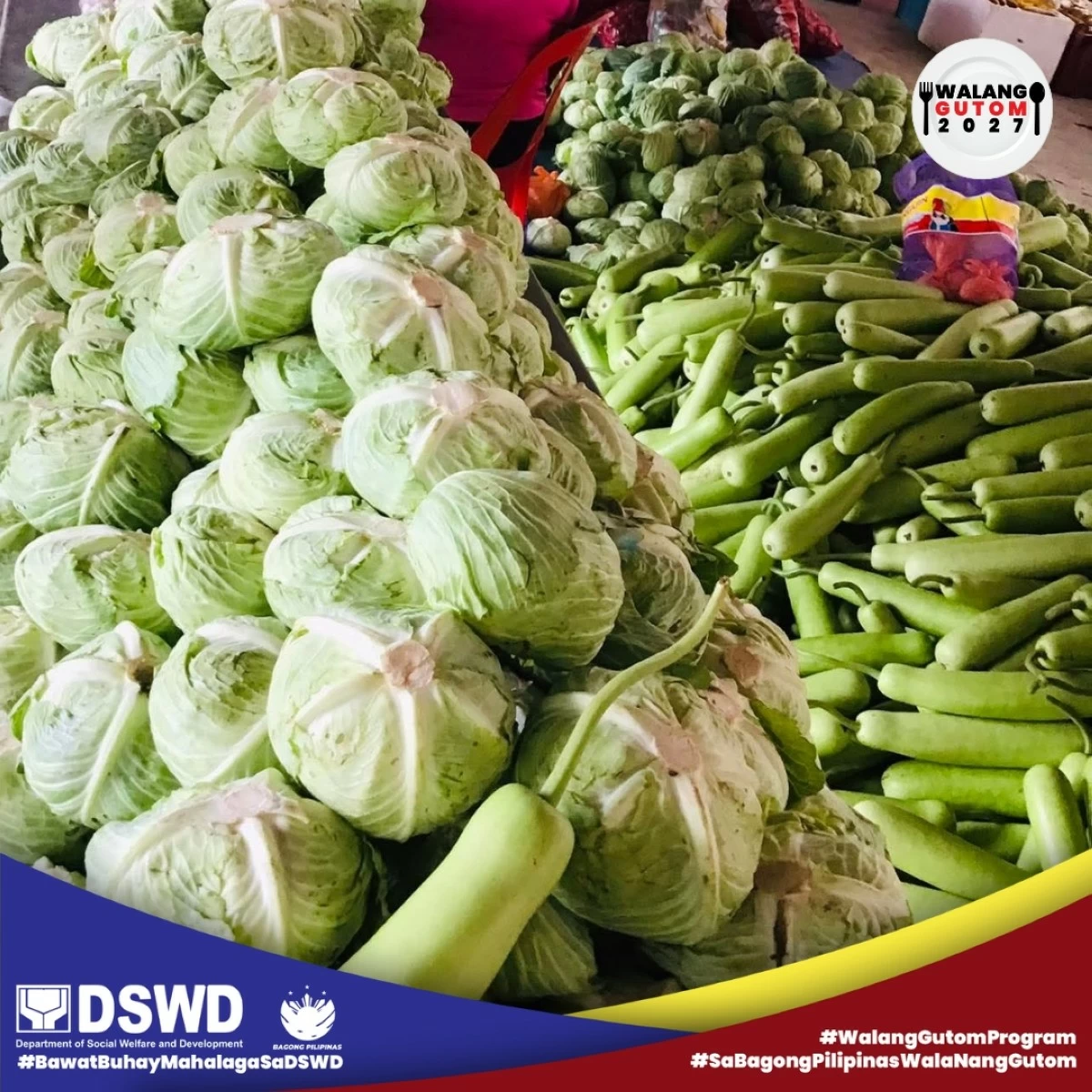
(Courtesy of DSWD)
The Department of Social Welfare and Development (DSWD) on Monday, Aug. 18 said that the Marcos administration’s flagship “Walang Gutom Program” (WGP) helped lower the number of Filipino families experiencing involuntary hunger.
A Social Weather Stations (SWS) survey, conducted from June 25 to 29, found that 16.1 percent of Filipino families experienced involuntary hunger during the past three months, down from 20 percent in April.
“The decrease in hunger incidence validates the government’s whole-of-nation approach, with WGP playing a crucial role in providing food access and assistance to the poorest families,” DSWD Assistant Secretary and spokesperson Irene Dumlao said.
She said the findings reflect the continuing efforts of the Marcos administration to reduce food insecurity, especially among vulnerable households.
The Philippine Statistics Authority has estimated that around 750,000 families nationwide are considered food-poor.
According to SWS, the sharpest drop in hunger was recorded in Mindanao, where the rate fell from 26.3 percent in April to 9.7 percent in June.
In Balance Luzon, or Luzon outside Metro Manila, the hunger rate dropped from 17 percent to 15.3 percent.
“We acknowledge that hunger remains a serious concern in certain regions, but the DSWD, under the leadership of Secretary Rex Gatchalian and with the guidance of President Marcos, is determined to expand and strengthen the reach of the program until no Filipino family goes hungry,” Dumlao said.
WGP currently supports 300,000 households and aims to add another 300,000 beneficiaries by the end of 2025.
By 2028, the target is to enroll 750,000 households.
Under the program, beneficiaries receive P3,000 worth of monthly food credits via electronic benefit transfer cards, which can be used to purchase nutritious food items from partner stores.
The credits are non-convertible to cash.