






Manila Bulletin
 Philippines
National
Daily leptospirosis cases down to 10; DOH keeps 49 fast lanes open
Philippines
National
Daily leptospirosis cases down to 10; DOH keeps 49 fast lanes open
Philippines
National
Daily leptospirosis cases down to 10; DOH keeps 49 fast lanes open
Daily leptospirosis cases down to 10; DOH keeps 49 fast lanes open
By Jel Santos
Published Aug 16, 2025 03:27 pm


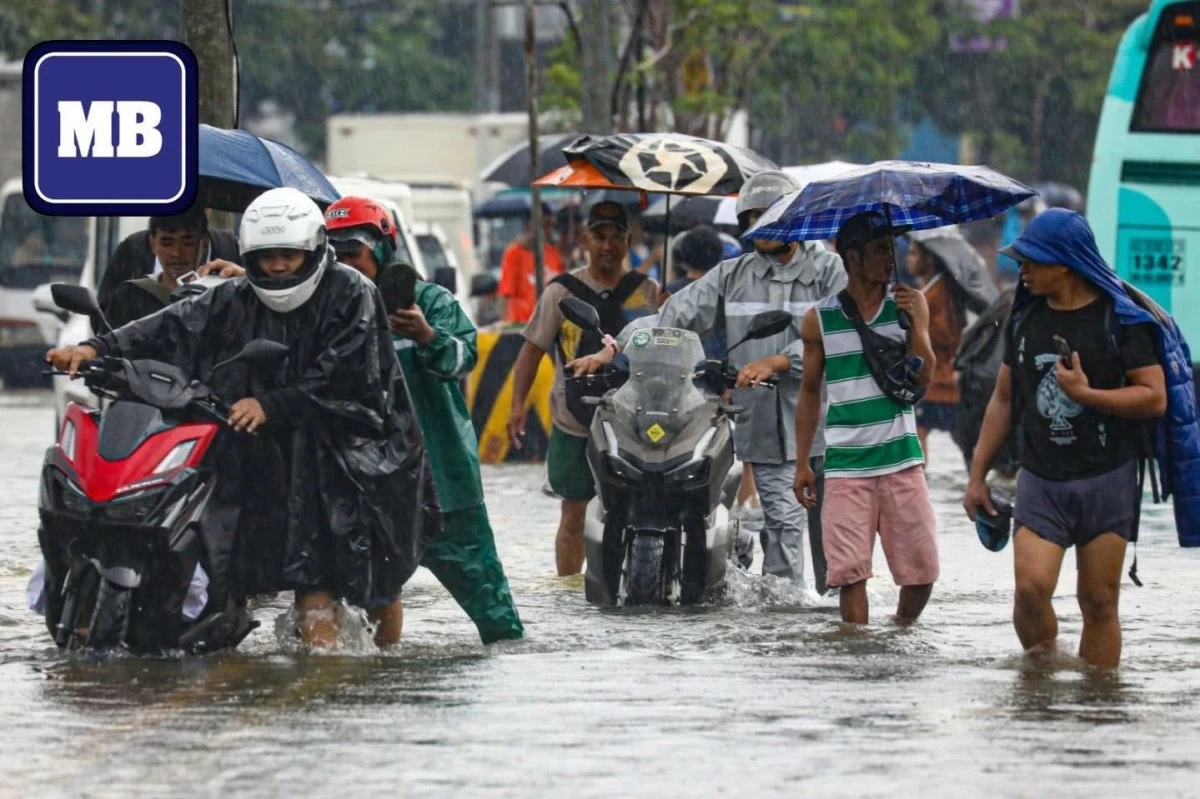
(MB FILE PHOTO)
The Department of Health (DOH) on Saturday, August 16, reported that daily leptospirosis cases dropped to 10 from August 10 to 14, a sharp decline from nearly 200 infections logged per day in the previous week.
From June 8, a week after the rainy season was declared, until August 14, the agency has recorded 3,752 cases nationwide.
The DOH said hospitals remain on heightened alert while 49 leptospirosis fast lanes continue to operate across the country.
“Nananatili namang naka alerto ang mga DOH Hospitals habang activated na ang apatnapu’t siyam na leptospirosis fastlanes sa buong bansa (DOH hospitals remain on alert while 49 leptospirosis fast lanes are activated nationwide),” the DOH said.
The agency reminded the public to seek consultation immediately at these fast lanes, health centers, or hospitals if they were exposed to floodwaters or mud this rainy season.
“Paalala ng DOH, agad na magpakonsulta sa mga nasabing fastlane o sa inyong health center o ospital kung sakaling nalubog sa baha o naexpose sa putik ngayong tag-ulan para ma-assess ang inyong risk level para sa tamang gamutan (The DOH reminds the public to immediately consult at these fast lanes, health centers, or hospitals if they have been submerged in floodwaters or exposed to mud this rainy season to assess their risk level for proper treatment),” the agency said.
The health department said some of the symptoms of leptospirosis are fever, headache, chills, back or leg pain, and redness of the eyes.
Leptospirosis infects around one million people annually and causes nearly 60,000 deaths worldwide, according to the US Centers for Disease Control and Prevention (CDC).
The CDC said the illness is caused by Leptospira bacteria, often found in contaminated water and soil, and can trigger serious complications like kidney damage, meningitis, and liver failure if untreated.
The World Health Organization (WHO) said people may contract the infection through direct contact with the urine of infected animals or polluted environments, with the bacteria entering through skin cuts, abrasions, or the mouth, nose, and eyes.