






Manila Bulletin
 Business
Trade & Industry
Bridging the gap: From tax classrooms to real-world compliance
Business
Trade & Industry
Bridging the gap: From tax classrooms to real-world compliance
Business
Trade & Industry
Bridging the gap: From tax classrooms to real-world compliance
Bridging the gap: From tax classrooms to real-world compliance
Published Aug 16, 2025 12:01 am
|
Updated Aug 16, 2025 03:08 pm


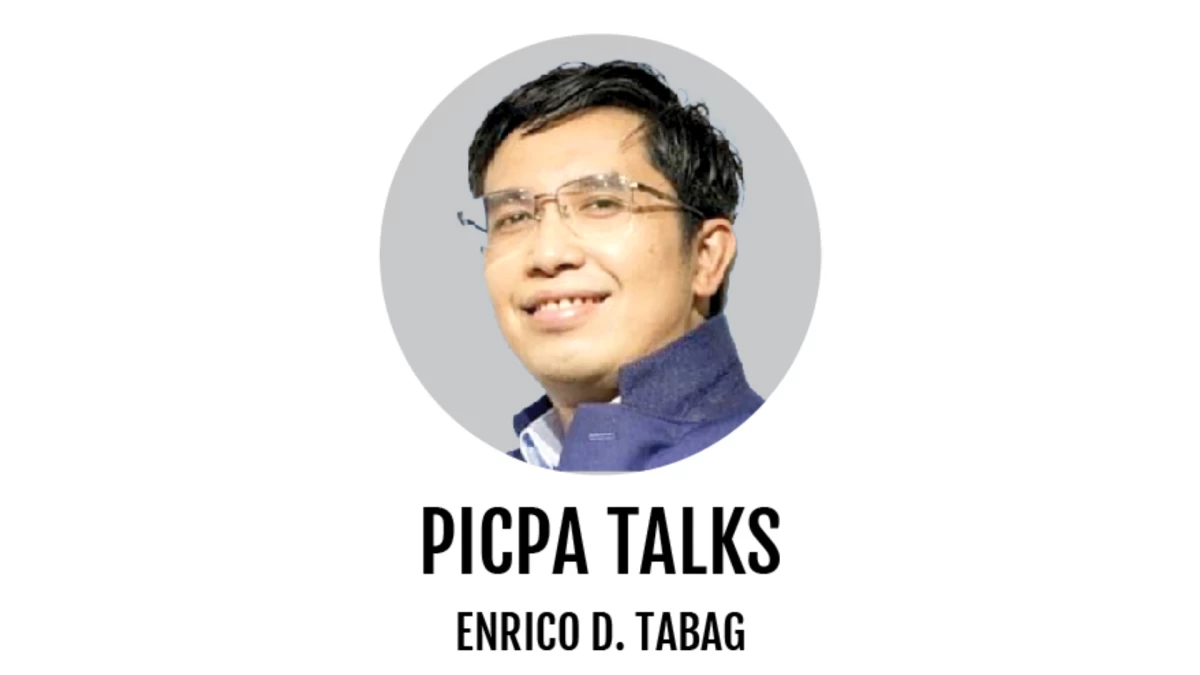
BY Enrico D. Tabag
The Philippine tax landscape is constantly evolving—shaped by new legislation, administrative issuances, and economic shifts. For students, taxation is one of the most rigorous and intimidating subjects in the accountancy curriculum. For professionals, it's a moving target that demands ongoing adaptation. Somewhere between these two realities lies a crucial intersection: where theory meets practice, and where future CPAs are formed, not just in competence but in character.
Education as the first line of reform
Wearing two hats, as both a tax practitioner and an educator, I've seen firsthand how tax education can shape not only technical competence but also ethical grounding.
Taxation is not just about computation, numbers, or regulations. It's about contributing to nation-building, shaping responsible citizens and future leaders who understand that taxation is a civic duty and a contribution to the nation's progress. Every time a student grasps the rationale of a tax rule or a young professional recognizes the social justice principle behind equitable taxation, we take a step forward. This is a step toward demystifying a system that too often feels distant, punitive, or overly complex—a step closer to a better system.
Keeping pace with reform: From CREATE to CMEPA
With recent legislative milestones such as the CREATE Law, the VAT on Digital Services, and the proposed Capital Markets Efficiency Promotion Act (CMEPA), the demand for more agile and informed tax practice has intensified. These reforms are designed to drive economic growth, modernize our tax system, and level the playing field, especially in the digital and investment sectors.
But laws on paper are only as effective as their execution. And execution relies heavily on the understanding, competence, and compliance of those who apply them in the real world. This is why education, both formal and continuous, is so critical. It must not end in the classroom; it must extend into boardrooms, BIR audit conferences, and client advisory meetings. As professionals, we must not only comply but also guide. And as educators, we must instill in our students both technical skills and contextual understanding.
Teaching tax: A professional duty
At our firm, we see every client engagement as more than just a compliance exercise; it's a chance to educate. We believe that part of our responsibility as tax professionals is to transform technical requirements into meaningful conversations that empower and inform.
Each interaction is an opportunity to explain, clarify, and guide. When we take the time to walk a client through why a specific withholding rule applies, or how the CREATE Law impacts their income tax rate, we help shift their perception of taxation from a burdensome obligation to a conscious act of responsible citizenship.
This educational approach is especially important in a country where many still view the BIR with fear or apprehension. But fear fades with understanding, and understanding begins with clear, patient, and informed guidance. As educators, we carry this same duty into the classroom. Our goal is not only to teach laws and jurisprudence but also to highlight their relevance and reasoning—the "why" behind the "what." Only then can future professionals truly grasp how tax rules impact businesses, decisions, and everyday lives.
Moving forward: A call to integrate
Real transformation can only happen when the academic, professional, and regulatory sectors are in sync. If the country is to truly benefit from all these tax reforms, we need a stronger integration between these sectors. We need faster curriculum updates that respond to new laws. We need taxpayer education programs that go beyond seminars and circulars.
Taxation will always be complex because society is complex. But with sustained collaboration and a genuine commitment to learning, we can make the system more transparent, equitable, and responsive to the needs of the Filipino people.
There is still much room for improvement in our tax laws and regulations. My hope is that, sooner or later, we will see a Philippine tax system that is practical, fair, easy to understand, reasonable to apply, and less burdensome to comply with. Let's continue working, together, for that kind of future.
Enrico D. Tabag is the managing partner of EDT & Co., CPAs and an Assistant Professor at the University of Santo Tomas Alfredo M. Velayo College of Accountancy. The views and opinions expressed in this article are the author’s and do not necessarily reflect those of these institutions.