ADVERTISEMENT

PHL dev't hinged on future energy availability, says World Energy Council exec

By MBrand
Published Aug 14, 2025 02:36 pm

Both developed and developing countries should pursue long-term energy planning that is flexible to ever changing circumstances, said a representative from the World Energy Council, pointing to how each one’s “industrial competitiveness” is now a factor to consider along with the energy trilemma.
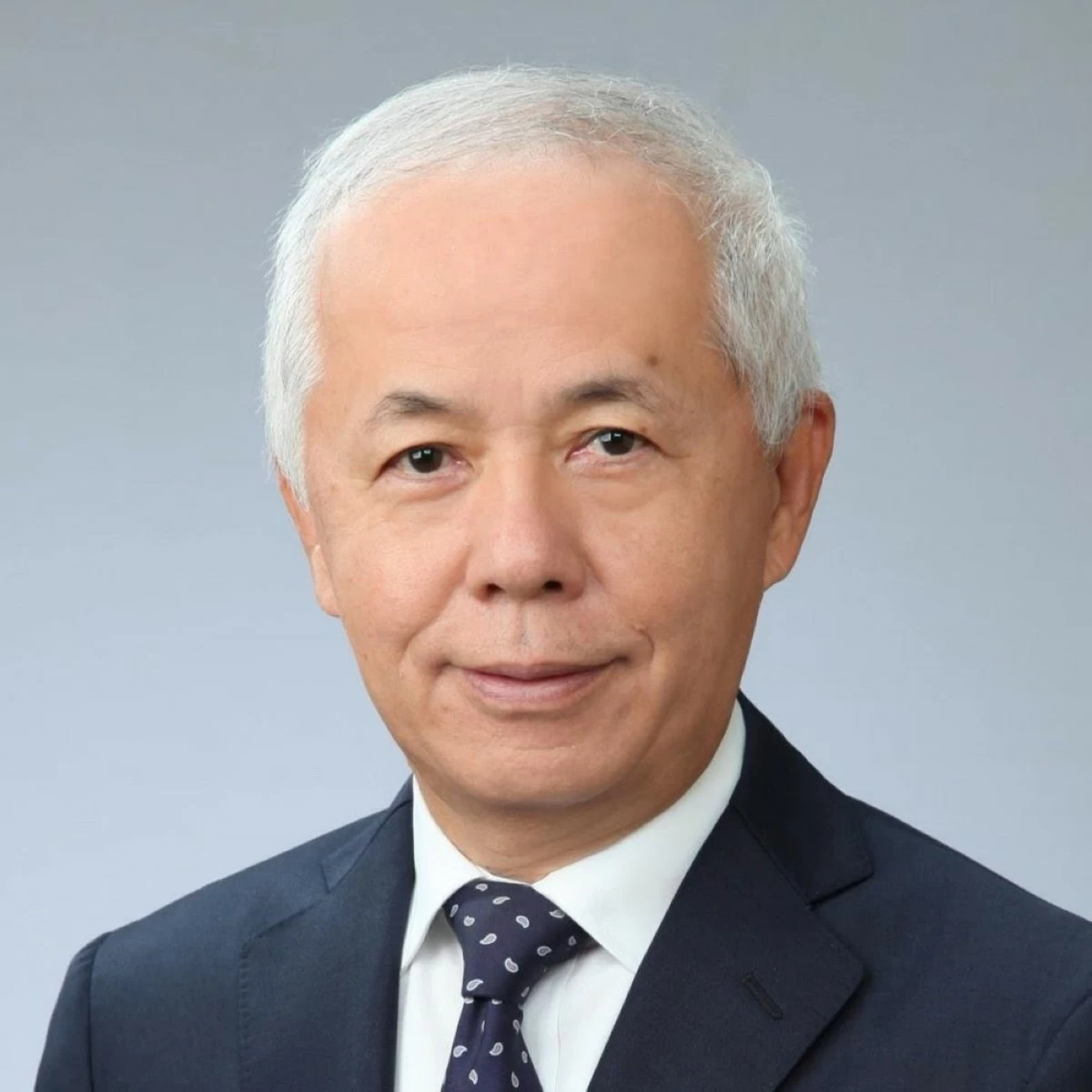
Prior to being the Chair of Impact in the World Energy Council, Naomi Hirose served over four decades in the Tokyo Electric Power Company, being its President and CEO from 2012 to 2021.

“The energy transition takes many years. It doesn’t happen in one day or one year. Sometimes it takes two or three decades,” said Naomi Hirose, Chair of Impact in the World Energy Council. “That’s why governments should have a clear plan for the next 20 to 30 years, then monitor how you achieve that.”

“The government needs to have a clear picture of the country and how the country will develop in the future,” he added. “In the Philippines’ case, [it should be asked] how it would develop economically so that the kind of energy needed in the future [is planned out].”

For his own country of Japan, Hirose assessed that it will need to further expand its power supply in the short to long term to support and strengthen its economy as AI-related power demand is expected to grow explosively.

The energy trilemma is about balancing energy security, energy equity (affordability and accessibility), and environmental sustainability. Beyond meeting demand reliably, energy security has gradually come to encompass the realities of variable renewable energy, the availability of raw materials, as well as physical and cyber threats.

“Since all of them are very important, effort must be made to balance all three. But this is not easy because these objectives often conflict with each other, creating trade offs. For example, expanding renewable energy improves sustainability and reduces CO2 emissions but can challenge supply reliability,” Hirose explained.

Considering recent events, Hirose said that a fourth important dimension — industrial competitiveness — has become necessary in addition to the energy trilemma, further compounding this challenging balancing act in the energy sector.

“As the price competitiveness of Chinese products is intensifying in many countries and with the new Trump administration in power, many countries are turning inward to maintain and strengthen the competitiveness of their own industries,” he observed. 

“Many countries, including Japan, are trying to strengthen the competitiveness of products essential to the energy transition, such as solar panels, and at the same time trying to protect their domestic industries by invoking border policies.”

Focusing on energy security

The former President and CEO of the Tokyo Electric Power Company shared his remarks during a sustainability talk hosted by Aboitiz Power Corporation.

“We’ve been changing the emphasis and shifting the priority of [the trilemma] in the past according to the situation,” Hirose said. “The lesson that we learned from the First Oil Crisis [in 1973] was the diversification of energy; not only in energy sources but also the source of imports.”

“During that time, people were very much focused on energy security,” he added. “But as we entered into the 21st century, people’s attention shifted dramatically to climate change.”

In the context of the Philippines, a country of over 7,600 islands and reliant on energy imports, Hirose emphasized the importance of developing decentralized power systems that make use of solar panels and batteries as an alternative to connecting each island to the main grid. The Philippine government also estimates three million Filipino households still remain without electricity.

“The most important part that the Philippines should focus on is energy security,” he said. “There are people who still do not have good access to electric power. In order to address that problem, a decentralized power system for each island is an area the country should focus on.”

According to the 2023 World Energy Trilemma Index, the Philippines has an overall score of 56.9 out of 100, with scores of 59.3 in energy security, 49.4 in energy equity, and 64.4 in environmental sustainability.

ADVERTISEMENT
.most-popular .layout-ratio{ padding-bottom: 79.13%; } @media (min-width: 768px) and (max-width: 1024px) { .widget-title { font-size: 15px !important; } }

{{ articles_filter_1561_widget.title }}

.most-popular .layout-ratio{ padding-bottom: 79.13%; } @media (min-width: 768px) and (max-width: 1024px) { .widget-title { font-size: 15px !important; } }

{{ articles_filter_1562_widget.title }}

.most-popular .layout-ratio{ padding-bottom: 79.13%; } @media (min-width: 768px) and (max-width: 1024px) { .widget-title { font-size: 15px !important; } }

{{ articles_filter_1563_widget.title }}

{{ articles_filter_1564_widget.title }}

.mb-article-details { position: relative; } .mb-article-details .article-body-preview, .mb-article-details .article-body-summary{ font-size: 17px; line-height: 30px; font-family: "Libre Caslon Text", serif; color: #000; } .mb-article-details .article-body-preview iframe , .mb-article-details .article-body-summary iframe{ width: 100%; margin: auto; } .read-more-background { background: linear-gradient(180deg, color(display-p3 1.000 1.000 1.000 / 0) 13.75%, color(display-p3 1.000 1.000 1.000 / 0.8) 30.79%, color(display-p3 1.000 1.000 1.000) 72.5%); position: absolute; height: 200px; width: 100%; bottom: 0; display: flex; justify-content: center; align-items: center; padding: 0; } .read-more-background a{ color: #000; } .read-more-btn { padding: 17px 45px; font-family: Inter; font-weight: 700; font-size: 18px; line-height: 16px; text-align: center; vertical-align: middle; border: 1px solid black; background-color: white; } .hidden { display: none; }
function initializeAllSwipers() { // Get all hidden inputs with cms_article_id document.querySelectorAll('[id^="cms_article_id_"]').forEach(function (input) { const cmsArticleId = input.value; const articleSelector = '#article-' + cmsArticleId + ' .body_images'; const swiperElement = document.querySelector(articleSelector); if (swiperElement && !swiperElement.classList.contains('swiper-initialized')) { new Swiper(articleSelector, { loop: true, pagination: false, navigation: { nextEl: '#article-' + cmsArticleId + ' .swiper-button-next', prevEl: '#article-' + cmsArticleId + ' .swiper-button-prev', }, }); } }); } setTimeout(initializeAllSwipers, 3000); const intersectionObserver = new IntersectionObserver( (entries) => { entries.forEach((entry) => { if (entry.isIntersecting) { const newUrl = entry.target.getAttribute("data-url"); if (newUrl) { history.pushState(null, null, newUrl); let article = entry.target; // Extract metadata const author = article.querySelector('.author-section').textContent.replace('By', '').trim(); const section = article.querySelector('.section-info ').textContent.replace(' ', ' '); const title = article.querySelector('.article-title h1').textContent; // Parse URL for Chartbeat path format const parsedUrl = new URL(newUrl, window.location.origin); const cleanUrl = parsedUrl.host + parsedUrl.pathname; // Update Chartbeat configuration if (typeof window._sf_async_config !== 'undefined') { window._sf_async_config.path = cleanUrl; window._sf_async_config.sections = section; window._sf_async_config.authors = author; } // Track virtual page view with Chartbeat if (typeof pSUPERFLY !== 'undefined' && typeof pSUPERFLY.virtualPage === 'function') { try { pSUPERFLY.virtualPage({ path: cleanUrl, title: title, sections: section, authors: author }); } catch (error) { console.error('ping error', error); } } // Optional: Update document title if (title && title !== document.title) { document.title = title; } } } }); }, { threshold: 0.1 } ); function showArticleBody(button) { const article = button.closest("article"); const summary = article.querySelector(".article-body-summary"); const body = article.querySelector(".article-body-preview"); const readMoreSection = article.querySelector(".read-more-background"); // Hide summary and read-more section summary.style.display = "none"; readMoreSection.style.display = "none"; // Show the full article body body.classList.remove("hidden"); } document.addEventListener("DOMContentLoaded", () => { let loadCount = 0; // Track how many times articles are loaded const offset = [1, 2, 3, 4, 5, 6, 7, 8, 9, 10]; // Offset values const currentUrl = window.location.pathname.substring(1); let isLoading = false; // Prevent multiple calls if (!currentUrl) { console.log("Current URL is invalid."); return; } const sentinel = document.getElementById("load-more-sentinel"); if (!sentinel) { console.log("Sentinel element not found."); return; } function isSentinelVisible() { const rect = sentinel.getBoundingClientRect(); return ( rect.top < window.innerHeight && rect.bottom >= 0 ); } function onScroll() { if (isLoading) return; if (isSentinelVisible()) { if (loadCount >= offset.length) { console.log("Maximum load attempts reached."); window.removeEventListener("scroll", onScroll); return; } isLoading = true; const currentOffset = offset[loadCount]; window.loadMoreItems().then(() => { let article = document.querySelector('#widget_1690 > div:nth-last-of-type(2) article'); intersectionObserver.observe(article) loadCount++; }).catch(error => { console.error("Error loading more items:", error); }).finally(() => { isLoading = false; }); } } window.addEventListener("scroll", onScroll); });

Sign up by email to receive news.