








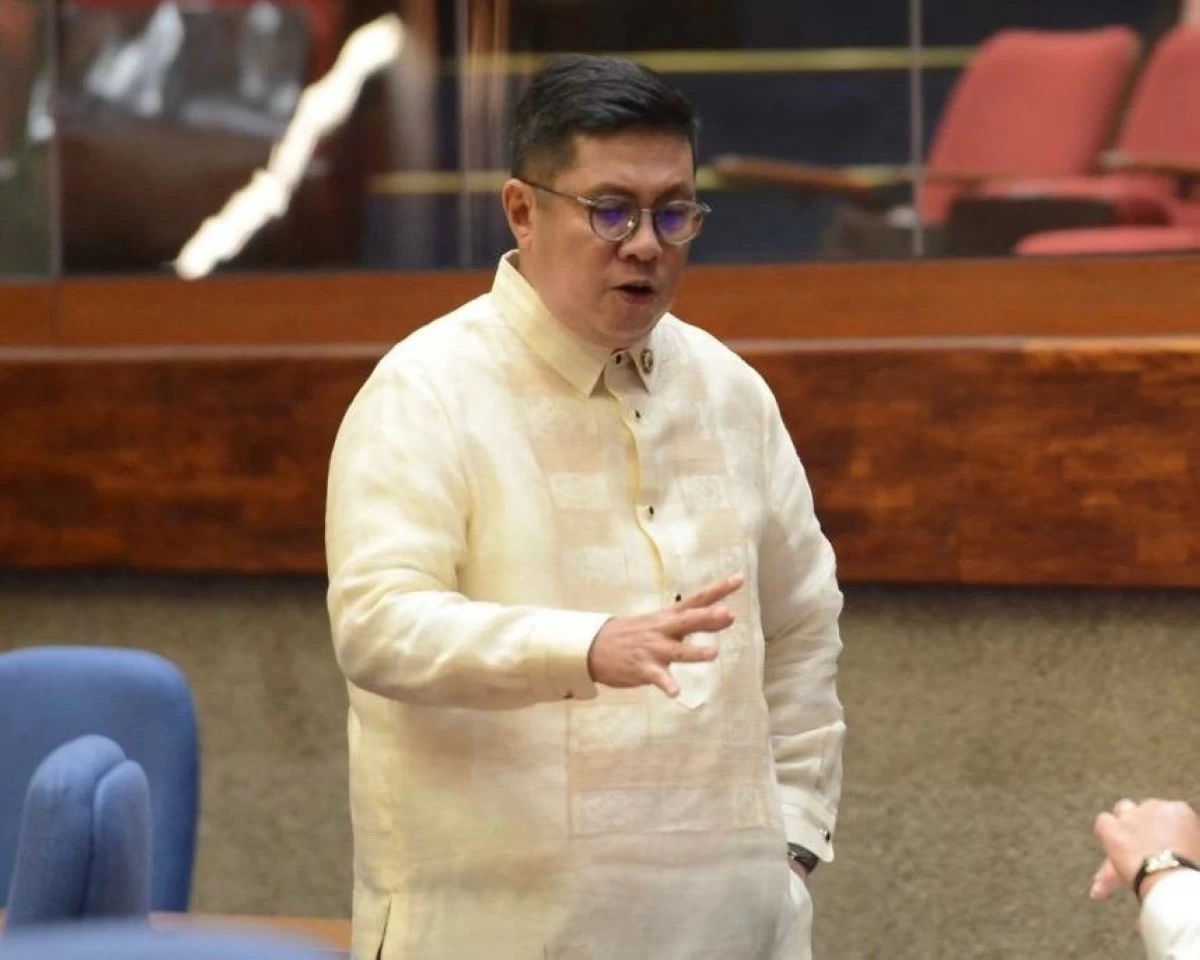
Parañaque City 2nd district Rep. Brian Raymund Yamsuan is pursuing in the 20th Congress a measure that aims to provide over 230,000 barangay health workers (BHWs) nationwide with monthly honoraria and other forms of monetary, health, and educational benefits.
Yamsuan said he filed House Bill (HB) No.3215 for this purpose, in fulfillment of his promise to BHWs in the 2nd district, and in recognition of the indispensable role that they and their fellow barangay health workers play as community frontliners in the country’s healthcare system.
“Matagal na pong naghihintay ang ating mga barangay health workers, kasama ang 180 BHWs sa second district ng Parañaque, ng mga benepisyo at proteksyon na nararapat lamang na ipagkaloob sa kanila,” said the second-termer.
(Our barangay health workers, including the 180 BHWs in Parañaque’s 2nd district, have waited far too long for the benefits and protection that they truly deserve.)
“Bilang tugon sa kanilang panawagan, naghain po tayo muli sa Kongreso ng panukalang batas para sa Magna Carta for Barangay Health Workers. Layunin po ng bill na sila ay makapagtrabaho nang may dignidad at may sapat na mga benepisyong angkop sa kanilang di-matatawarang kontribusyon sa pagpapalakas ng ating healthcare system,” he added.
(In response to their call, we have filed anew a bill in Congress which aims to establish a Magna Carta for Barangay Health Workers. The bill’s goal is to ensure that they are able to work with dignity and with the benefits befitting their invaluable contributions in strengthening our healthcare system.)
Under HB No.3215, BHWs registered with the local health boards where they are assigned shall receive a monthly honoraria of not less than P3,000, while those who are accredited shall be entitled to honoraria of not less than P5,000 per month. Both rates are subject to adjustments based on the current consumer price index.
Accredited BHWs are also entitled to a cash gift of not less than their minimum monthly honoraria, to be given every December.
Yamsuan’s measure also provides accredited BHWs with transportation allowance of not less than P1,000 per month, and insurance coverage and benefits from the Government Service Insurance System (GSIS).
BHWs exposed to risks to their health, life and other threats in the exercise of their responsibilities will receive a hazard allowance of not less than P1,000 per month under the bill.
Those assigned in unserved or underserved barangays shall receive a subsistence allowance of not less than P100 per day.
For accredited BHWs who have continuously and satisfactorily served for at least 15 years, the bill provides for a one-time gratuity cash incentive of not less than P10,000 in recognition of their loyalty and dedication to service.
The bill also entitles accredited BHWs to training, continuing education and career enhancement programs, as well as free legal services in cases filed against them in connection with the performance of their duties.
Yamsuan’s measure also provides health benefits for BHWs, which include free medical care, mandatory and immediate Philhealth membership as indirect contributors, and emergency medical assistance not exceeding P5,000.
They are also entitled to maternity, paternity, and solo parent leaves with pay under the bill.
For accredited BHWs who have rendered five years of continuous service, the bill proposes that they be granted second-grade civil service eligibility.
Under the bill, Yamsuan also proposed the commemoration of BHW Day on April 7 of every year “in recognition of the service of Barangay Health Workers, their heroic services in times of crises, and their indispensable role in promoting health and wellness among the citizenry".
Health offices of the local government units (LGUs) are mandated under the bill to maintain and update their respective BHW Registries, which shall be consolidated and submitted to the Department of Health (DOH) to enable it to maintain a national registry of BHWs.
The bill also grants BHWs representation in the local health boards and primary health care provider networks; protects them from discrimination and unjust removal; and upholds their right to self-organization.