






Manila Bulletin
 Philippines
National
'Fake news': Lack of punishment under Juvenile Justice Law not true, says Pangilinan
Philippines
National
'Fake news': Lack of punishment under Juvenile Justice Law not true, says Pangilinan
Philippines
National
'Fake news': Lack of punishment under Juvenile Justice Law not true, says Pangilinan
'Fake news': Lack of punishment under Juvenile Justice Law not true, says Pangilinan
By Dhel Nazario
Published Aug 14, 2025 04:13 pm


Senator Francis “Kiko” Pangilinan tagged as 'fake news' the claims that minors who committed crimes cannot be punished or prosecuted under the Juvenile Justice and Welfare Act of 2006.
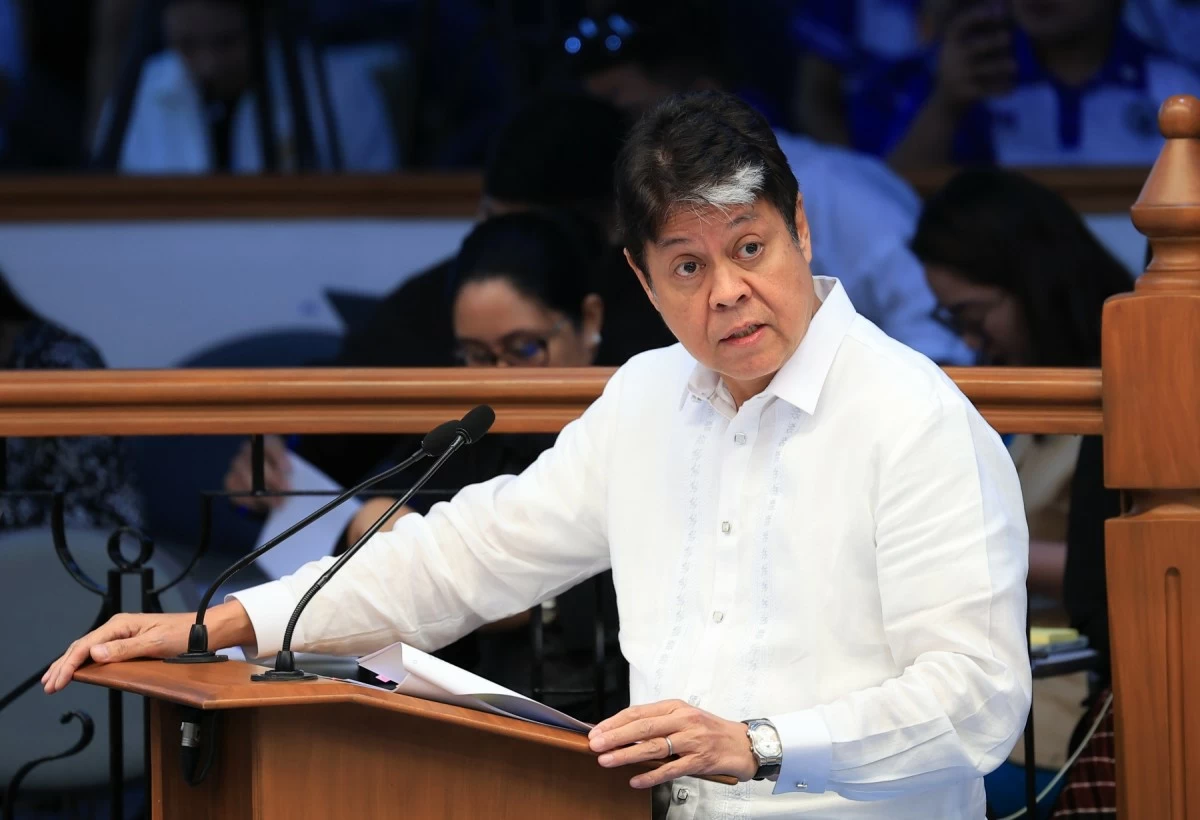
Sen. Francis “Kiko” Pangilinan opposes the proposal of lowering the age of criminal responsibility for heinous crimes, expressing his strong belief that the problem is in the implementation of the law. Pangilinan said the solution to the problem of juvenile delinquencies is not by amending the existing law (Juvenile Justice and Welfare Act or Republic Act 9344) but by proper implementation. (Senate PRIB photo)
In his interpellation of Senator Robinhood Padilla's privilege speech Wednesday, Aug. 13, the senator lamented how fake news and disinformation have affected the public's understanding of the law's provisions.
Padilla is pushing for the lowering of the minimum age of criminal liability to 10 from the current 15.
“Una sa lahat, tayo ay nakikiisa sa kanya (Padilla) sa usapin ng pangangailangan ng hustisya lalo na sa naging biktima ng krimen o kaya mga kilos ng mga kabataang nasasangkot o menor de edad na nasasangkot sa criminal activities (First of all, we stand with him (Padilla) on the need for justice, especially for victims of crime or in cases involving minors engaged in criminal activities),” Pangilinan said on Tuesday, August 13.
“Tama lang na dapat ang mga nagkasala ay nananagot at marahil maraming kinakailangan din na liwanagin o linawin sa usapin ng ano nga ba ang tunay na mga probinsyon o tunay na mga posibleng mga pang implementa ng batas at ikumpra ito sa mga hindi tama o kaya disinformation (It is only right that those who have committed offenses be held accountable, and perhaps there is also much that needs to be clarified regarding what the actual provisions or possible implementations of the law are, and to compare these with what is incorrect or with disinformation),” he added.
The senator, who authored the law in 2006 and its amendments in 2013, clarified that the Juvenile Justice Law provides punishment for minors who commit crimes.
“Yung bitiw na salita nung bata dito sa video na sinasabi na ‘ginawa namin ang krimen dahil alam namin hindi kami mapaparusahan’ ay maling impormasyon (The statement made by the child in this video saying, 'We committed the crime because we knew we would not be punished,' is misinformation),” Pangilinan explained. He stressed that the Maguad killers were imprisoned despite committing the crime when they were minors.
“In other words, hindi tama yung sinasabi na dahil menor de edad ay hindi pwede parusahan, dahil yung dalawang involved sa Maguad killings pinarusahan, nakakulong ngayon. Ayaw natin mangyari ang mga ‘to (In other words, it is not true that minors cannot be punished, because the two involved in the Maguad killings were penalized and are now in detention. We do not want these things to happen),” the senator said.
“Dapat lang mabigyan ng hustisya ang mga biktima ng karumal-dumal na krimen na galing sa menor de edad subalit hindi tama kapag sinabi na kapag menor de edad dapat pakawalan, number one, dahil kapag pinakawalan yan labag sa batas yan at dapat parusahan yung mga nagpapakawala ng mga menor de edad na nagkasala,” he pointed out.
(Victims of heinous crimes committed by minors deserve justice, but it’s not right to say that just because someone is a minor, they should be released. First of all, releasing them is against the law, and those who release minors who have committed offenses should be punished.)
Pangilinan explained that minors who committed serious offenses, such as rape and homicide, must be in mandatory confinement of not less than one year. This could be extended to three years or more, depending on the court’s ruling.
The senator cited the full implementation of the Juvenile Justice Law in Valenzuela City when Senator Win Gatchalian was then mayor.
He shared that 70 percent of the children in conflict with the law who underwent the rehabilitation and diversion program were able to lead normal lives once more.
While he thanked Padilla for the opportunity to discuss the law further, he maintained that 10 years old is too young to be held criminally responsible since there are provisions to put them in mandatory confinement under the current law.
Pangilinan, principal author of the law, said Padilla’s backing strengthens ongoing efforts to ensure that rehabilitation, education, and reintegration—not mere punishment—remain at the heart of the country’s juvenile justice system.