






Manila Bulletin
 Philippines
National
Bombardment of Gaza brings relived trauma for Israeli survivors
Philippines
National
Bombardment of Gaza brings relived trauma for Israeli survivors
Philippines
National
Bombardment of Gaza brings relived trauma for Israeli survivors
Bombardment of Gaza brings relived trauma for Israeli survivors
Published Aug 14, 2025 05:38 am


KIBBUTZ RE’IM, Israel—Mazal Tazazo, 35, was narrating how she survived Hamas’ attack during the Nova music festival when she heard yet another blast—a louder one—that stopped her from speaking.
For 20 seconds, she paused. She held her forehead. Terrified, she looked around.
“It’s okay,” a passerby reminded her. It happened while she was talking to a group of Filipino journalists at the Re'im parking slot, the exact spot where nearly 400 young Israelis were killed.
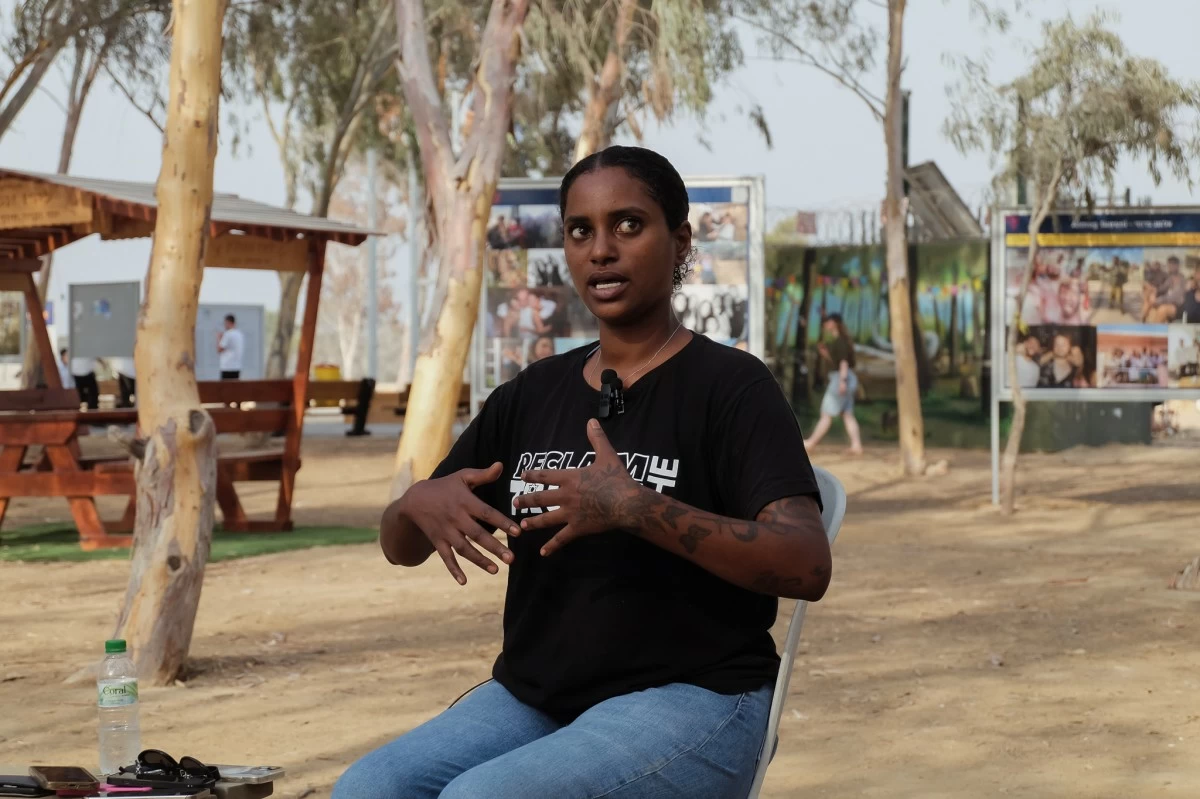
That was the same sound she heard on Oct. 7, 2023, when Hamas attacked Israel by surprise, killing at least 1,200 people and taking 251 as hostages.
The blast that reverberated on the ground on Tuesday, Aug. 12, reminded her of the trauma she experienced two years back.
And almost every day since then, Israelis have to go through it—hearing multiple explosions—as war between Israel and Hamas in Gaza, not more than seven kilometers away, continues.
“I need to reorganize my thoughts,” she said, calming herself.
Tazazo, like many Israelis who have taken to the streets, does not support Prime Minister Benjamin Netanyahu’s continued war on Gaza, where tens of thousands of people were already killed.
She said civilians, especially children, are getting dragged into the war. Every day there are hunger and deaths.
“It’s very sad. When I see also about the kids, it’s very sad,” she said.
“In the same time, I know, the only responsible is Hamas because they don’t care about who dies, because they don’t value life,” she added.
The attack
Tazazo was partying with two friends, 23-year-old Yohai Zacharia and 25-year-old Daniel Cohen, when Hamas infiltrated this kibbutz.
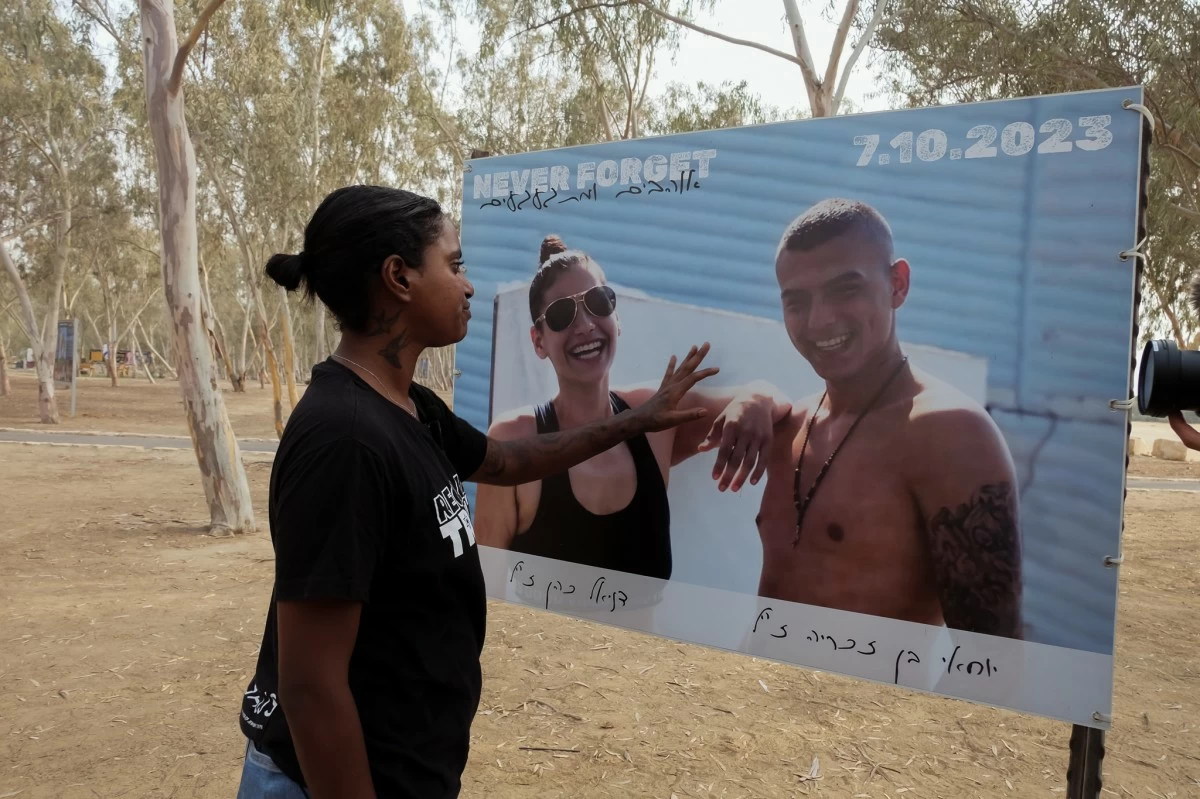
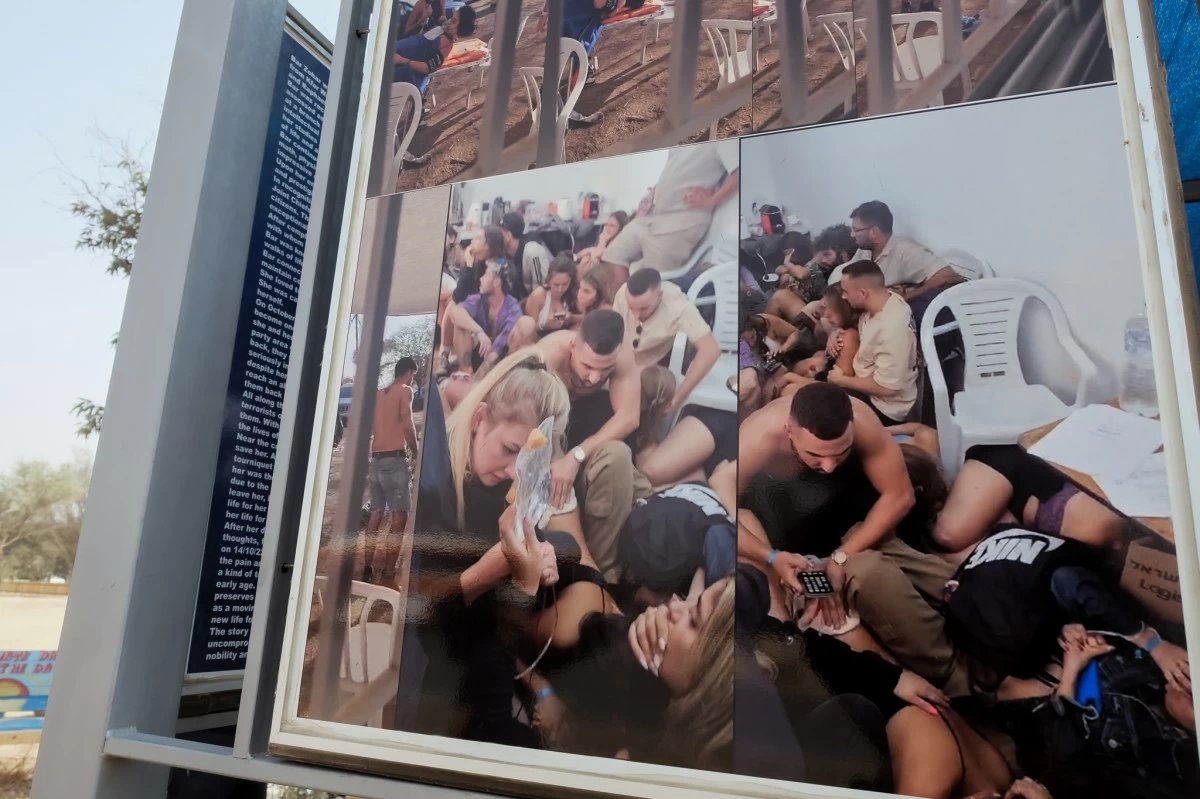
She knew something was wrong when police on standby ordered party-goers to evacuate the Re’im parking lot, the venue for the music festival; and started firing.
She ran towards the road, hid under abandoned cars and went towards the bushes after hearing heavy gunfires, rocket launches, and rocket-propelled grenade (RPG) explosions.
“I was talking with God, asking ‘what’s going on? This isn’t real.’ I’m begging to him: ‘please make it stop,’” she said.
Tazazo played dead when Hamas saw her in the bushes. The terrorists then left her. But they eventually set the bushes on fire, prompting her to seek yet another safety.
“I ran to the closest car, and I told God: ‘if I need to die, it’s to get shot. I’m not gonna burn there alive,’” she added.
Kibbutz Be’eri
In nearby Kibbutz Be’eri four kilometers away from Gaza, Danny Majzner also cheated death after going out for a ride with his bicycle before dawn.
Majzner was already close home when he heard the sirens wailing and decided to go to the shelters instead.
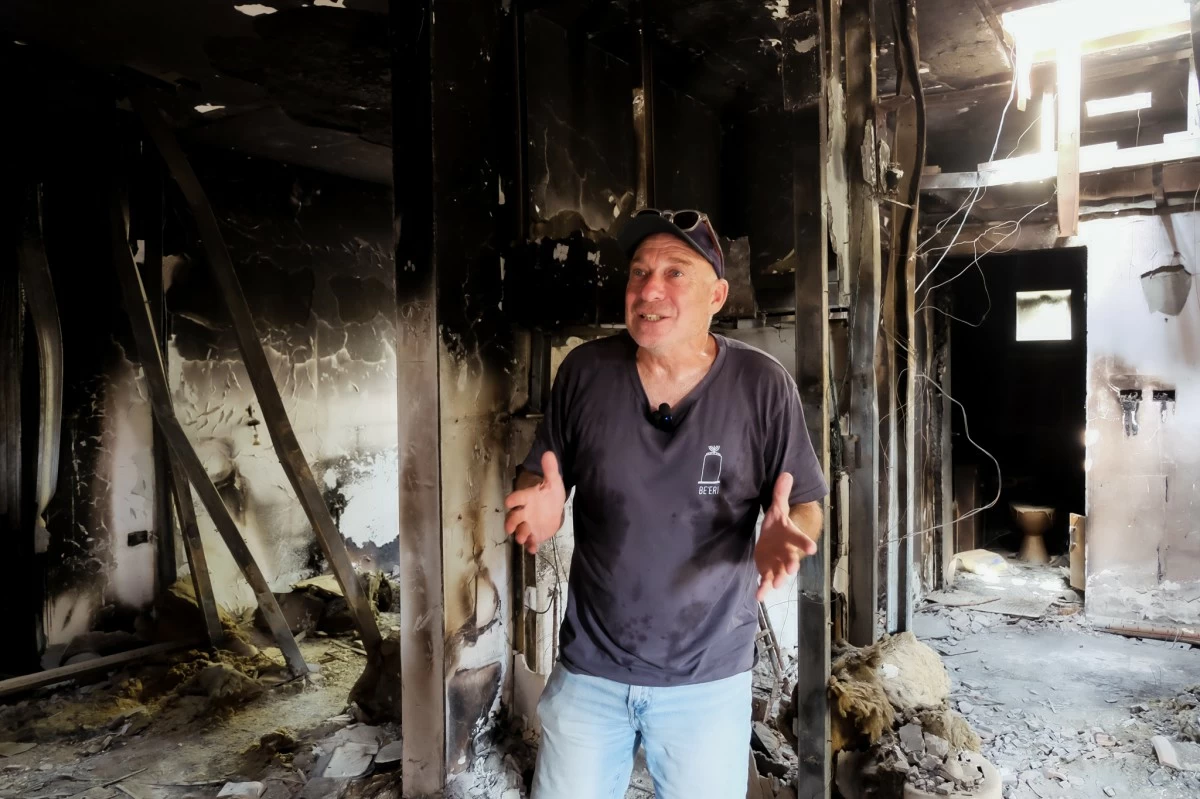
He wasn’t aware that Hamas terrorists in his kibbutz already started shooting his neighbors, throwing grenades, and burning the houses.
A total of 102 people were killed in his kibbutz, including his elder sister and Paul Castelvi, an overseas Filipino worker (OFW) in Israel.
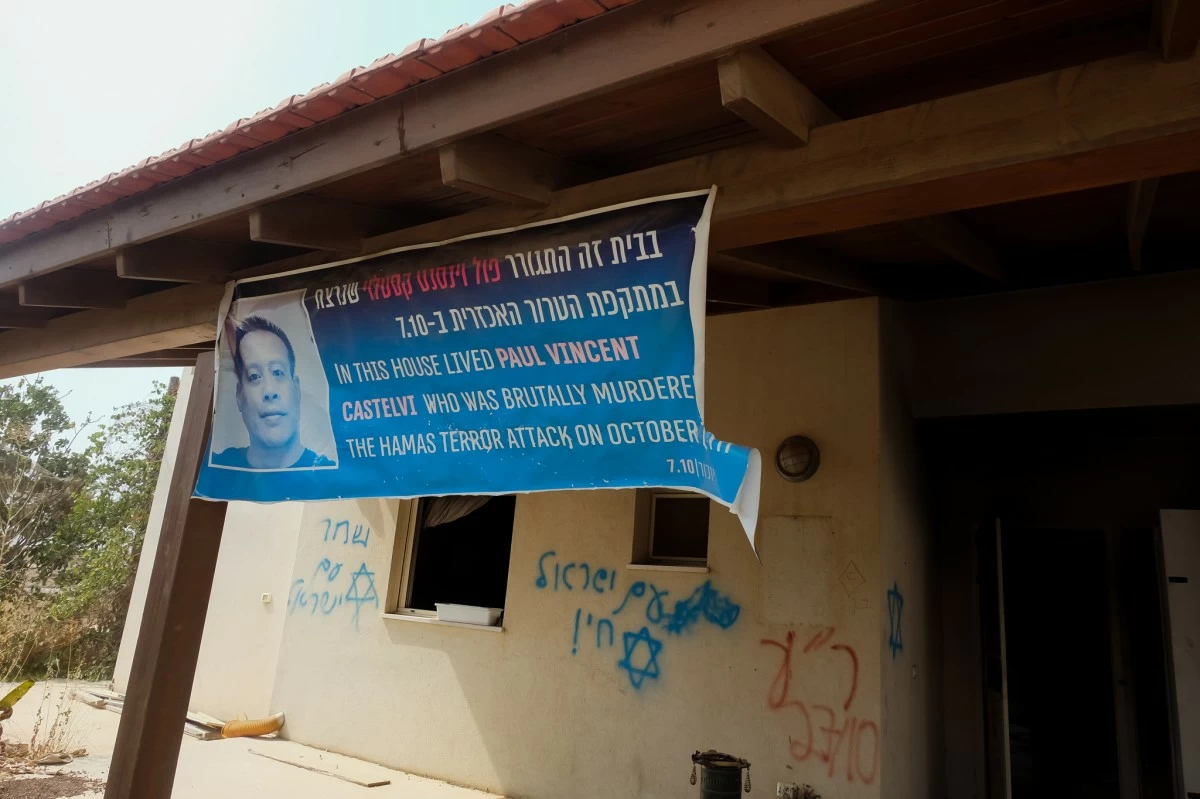
Majzner toured the group of visiting Filipino journalists in the kibbutz, where damaged houses showed the horror that Hamas initiated.
Roofs were torn off, floors were in rubble, walls were pierced through and ceilings were painted black by smoke from grenade blasts.
Nearly two years have passed but damaged houses in the kibbutz still stand, yet to be cleaned and dismantled. Former residents prefer it that way—to serve as reminder of the horror of the attack.
Plastered on the wall of one of the houses, a sign said: “no politicians allowed.”
“You’ve destroyed enough, there’s no more reason for you to desecrate the space, even more so with your lies and interests,” it added.
In Netanyahu’s aim to rid of Hamas, his bombardment of Gaza continues.
The number of Palestinians getting killed still grow, with Gaza health ministry saying it already breached 60,000. The figure was rejected by Israel, questioning its accuracy and capability to immediately provide figures.
For Majzner, Netanyahu’s government seems to be making no solution to resolve the prolonged war, except to just continue pressing Hamas for the release of 50 remaining hostages.
“I really don’t see a solution. But I do know that there were many opportunities along the 22 months to return everyone (hostage) back,” Majzner said.
Several more explosions were heard in this area as Tazazo was wrapping up her story. And every time it happened, she had to relive the trauma.
Meanwhile, in Gaza, at least 89 Palestinians were killed, according to media reports, on that same day Tazazo retold her story.
“I want to stop that. My country wants to stop that. But Hamas must also go from their power because you cannot guarantee me that one year, two years after, they don’t come again here,” she said.
“So this is like a loop that doesn’t end,” she added.