

ADVERTISEMENT

Inspiring future innovators: Angara leads opening of MindSpark, the Philippines' largest science museum

Published Aug 12, 2025 10:51 am

At A Glance

  • DepEd Secretary Sonny Angara opened the 9,000-sqm science museum at Ayala Malls Manila Bay, with 100+ interactive exhibits and 30 themed rooms to spark STEM curiosity
  • Angara highlighted experiential learning, citing student innovations and urging schools to make MindSpark a top field trip spot
  • The museum offers world-class attractions, tours, and programs to give youth opportunities and spaces to boost creativity and problem-solving
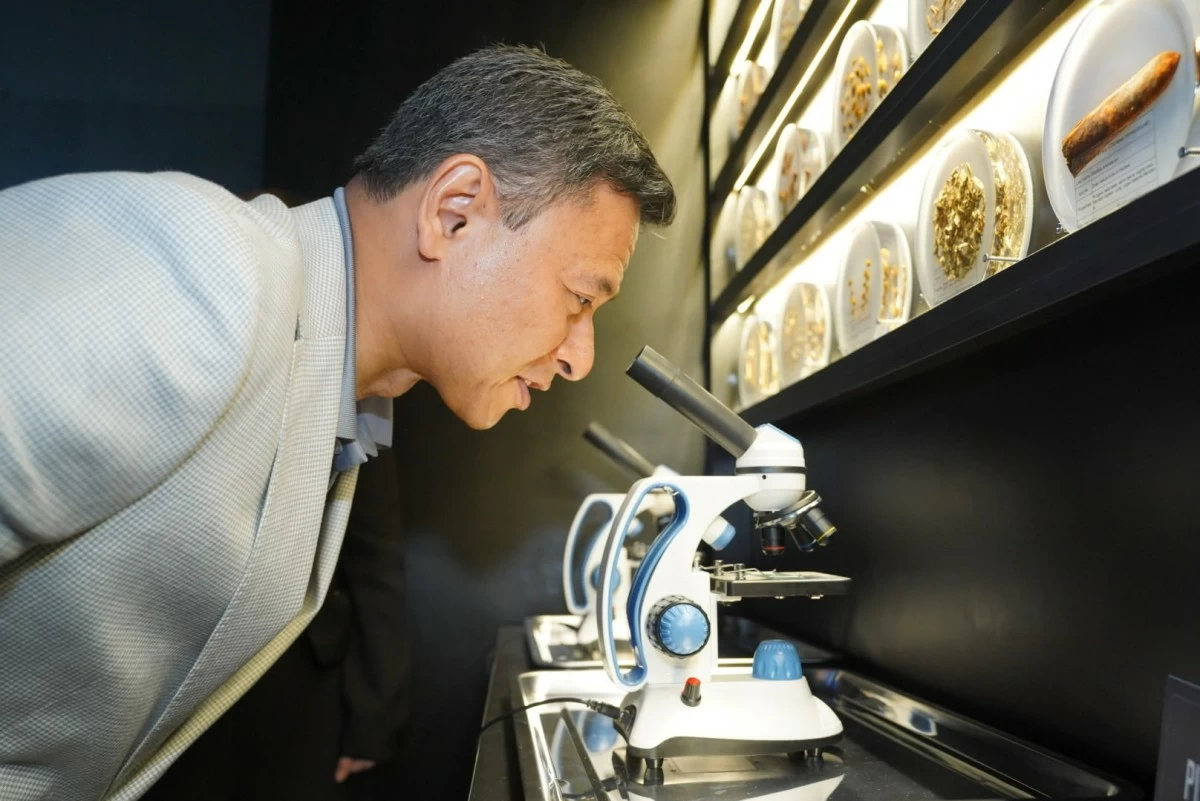
DepEd Secretary Sonny Angara leads the opening of MindSpark, the Philippines’ largest science museum, with 100  interactive STEM exhibits to spark curiosity and inspire innovation among students. (Photo from DepEd)
DepEd Secretary Sonny Angara leads the opening of MindSpark, the Philippines’ largest science museum, with 100 interactive STEM exhibits to spark curiosity and inspire innovation among students. (Photo from DepEd)
Urging students to embrace curiosity and innovation as tools to shape the nation’s future, Department of Education (DepEd) Secretary Sonny Angara on Tuesday, August 12, spearheaded the grand opening of MindSpark, the Philippines’ largest science museum.
“A curious mind is the seed of a promising tomorrow,” Angara said in his keynote speech. “Our children hold the key to solving the emerging challenges of the future—armed with creativity, resilience, and the power of innovative thinking,” he added.
Angara underscored that investing in young minds is an investment in the future, and that the nation needs Science, Technology, Engineering, and Mathematics (STEM) education that sparks change and transforms lives.
Playground for the mind
Located at Ayala Malls Manila Bay in Parañaque City, the 9,000-square-meter facility features more than 100 interactive exhibits and 30 themed rooms designed to spark interest and foster a deeper understanding of STEM.
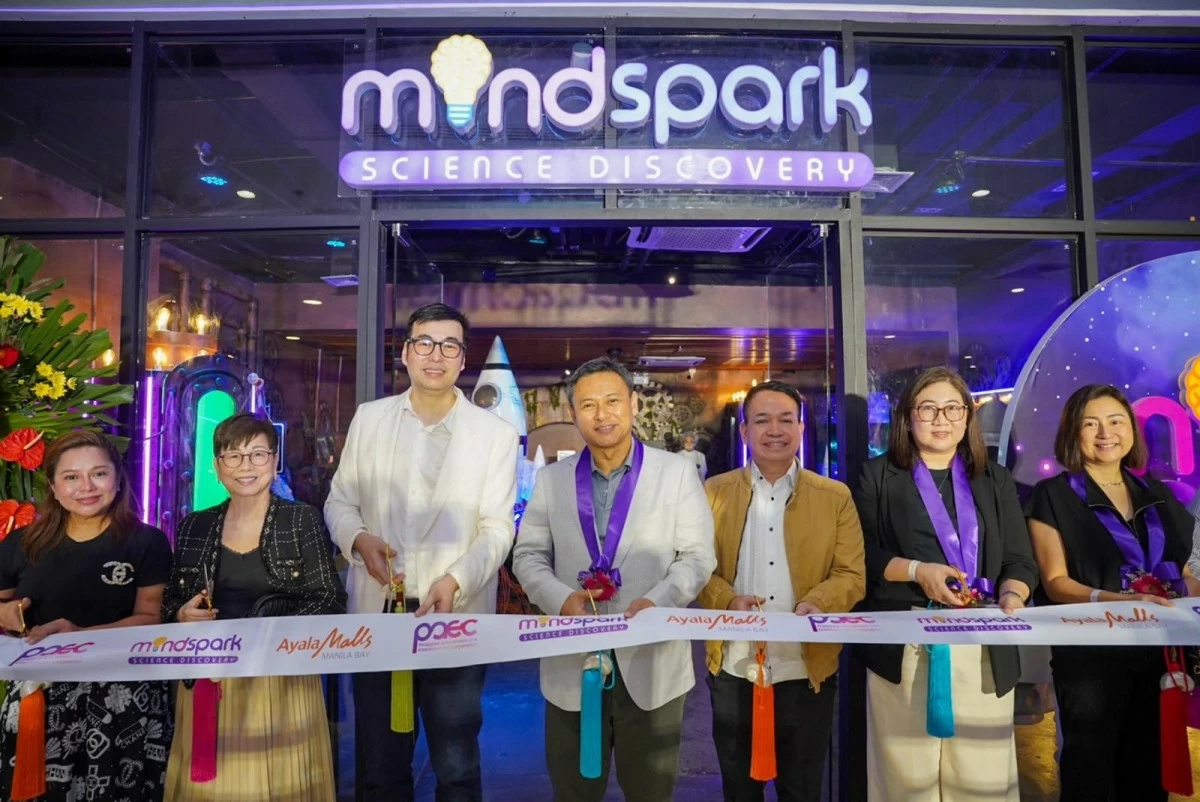
A FIELD TRIP LIKE NO OTHER. MindSpark features themed rooms, rocket launches, AI robotics, and more, making it a top destination for experiential learning. (Photo from DepEd)
For Angara, the country’s largest science museum is a “playground for the mind”—where students can turn curiosity into innovations that change lives.
He also described MindSpark as the “Disneyland” for students who love asking “why” and “how.”
Angara encouraged teachers to make it a top choice for school field trips and expressed hope that special discounts would be offered to visiting educators and students.
Hands-on learning and experience
Highlighting the potential of hands-on learning, Angara cited the example of high school student Eisen Gabriel Francisco, whose team developed an eco-friendly solution to combat the coco-lisap pest in Basilan—an innovation that benefited both farmers and the local economy.
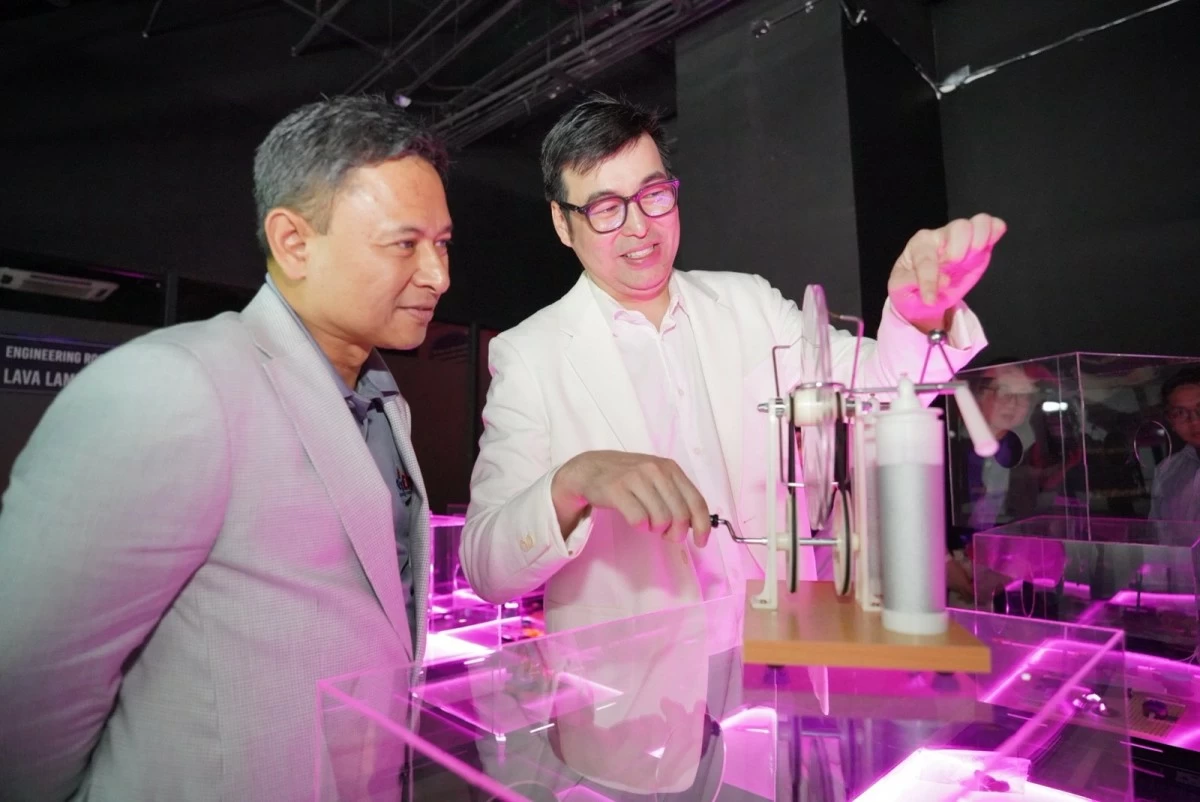
FROM CLASSROOMS TO BREAKTHROUGHS. DepEd Secretary Sonny Angara says museums like MindSpark give Filipino youth the tools, spaces, and inspiration to invent solutions that can change the world. (Photo from DepEd)
“Imagine kung mas marami silang ganitong hands-on at high-tech experiences, baka hindi lang coco-lisap ang malutas nila, baka pati traffic sa EDSA! (Imagine if more students had access to high-tech and hands-on experiences like this—maybe they could even solve traffic on EDSA),” Angara quipped.
World-class STEM attractions
“Volcano experiments? Rocket launches? AI-powered robotics? Lahat ‘yan hindi na imposible dito sa MindSpark (All of that is no longer impossible here at MindSpark),” Angara said.
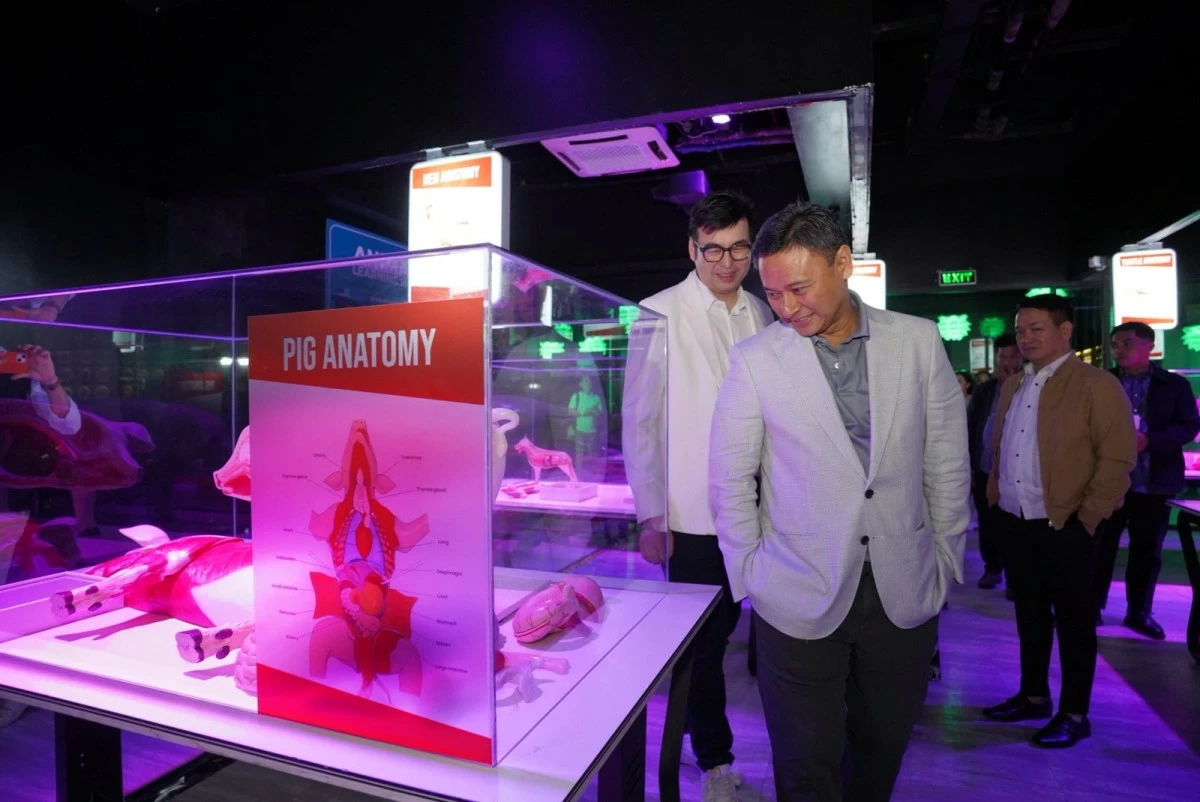
OPENING DOORS TO DISCOVERY.  DepEd Secretary Sonny Angara inaugurates MindSpark, the country’s largest science museum, offering over 100 hands-on STEM exhibits to ignite young minds. (Photo from DepEd)
OPENING DOORS TO DISCOVERY. DepEd Secretary Sonny Angara inaugurates MindSpark, the country’s largest science museum, offering over 100 hands-on STEM exhibits to ignite young minds. (Photo from DepEd)
“Dahil alam nating minsan, ang pinakamaliit na spark—isang simpleng experiment sa classroom—ay pwedeng maging susunod na Filipino-made invention na magbabago ng mundo (Because we know that sometimes, the smallest spark—a simple classroom experiment—can become the next Filipino-made invention that changes the world),” he added.
MindSpark’s unique attractions include:
- A giant walkthrough of a human heart
- A real-life hospital laboratory
- Massive anatomy displays
- Live demonstrations of the insect life cycle
- Interactive zones on bubble science, robotics, artificial intelligence, fire safety, engineering design, and gemology
Visitors can also explore volcano experiments, rocket launches, and AI-powered robotics—experiences that Angara believes could inspire the next wave of Filipino-made inventions.
Extending the classroom
Organized by the Philippine Amusement and Entertainment Corporation, MindSpark aims to be an extension of the classroom, offering programs and guided tours for schools and organizations nationwide.
Angara stressed that supporting young Filipino scientists should not be “rocket science,” saying the youth simply need the right opportunities, sufficient resources, and spaces like MindSpark to nurture their creativity and skills.
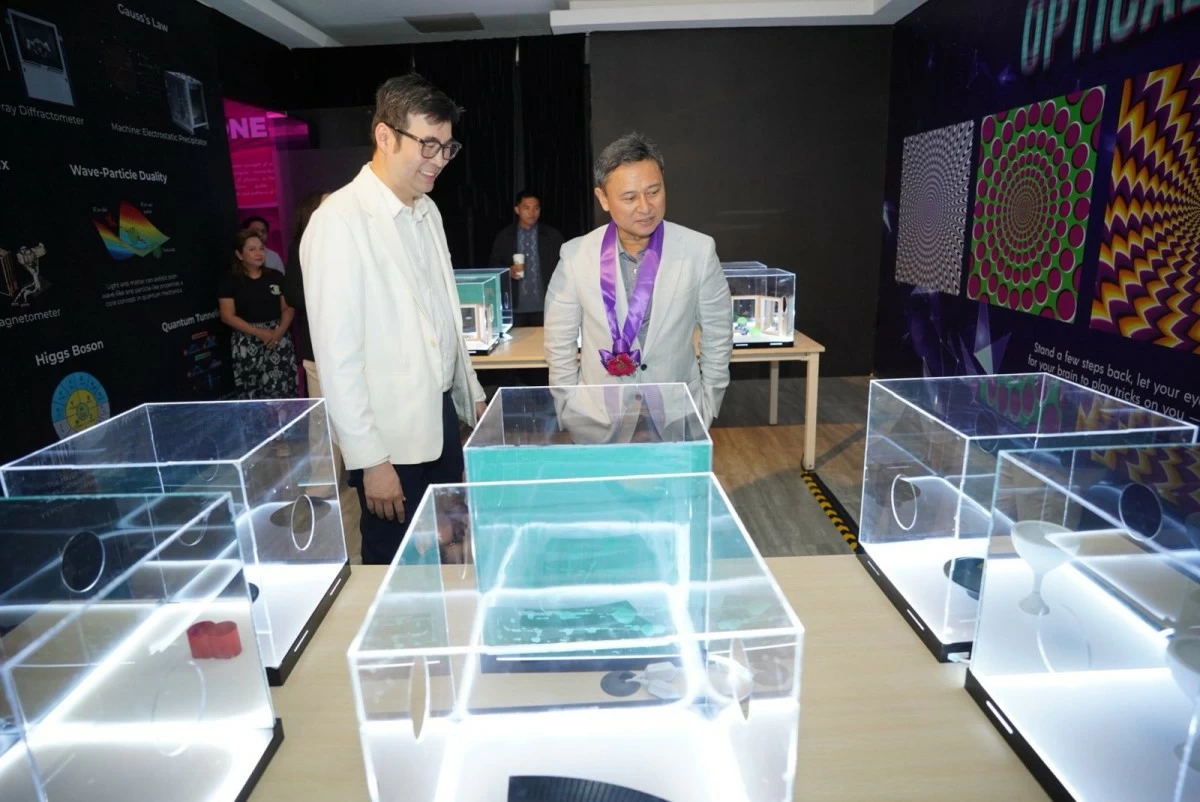
STEM MEETS IMAGINATION. DepEd Secretary Sonny Angara urges students to turn curiosity into innovation at MindSpark, a 9,000-sqm “playground for the mind” in Parañaque City. (Photo from DepEd)
“Sa mga museo na kagaya nito, binibigyan natin ang kabataan ng direksyon tungo sa pagbabago, at ng paraan para mag-innovate hindi lang sa paaralan kundi sa komunidad (In museums like this, we give our youth the direction to innovate—not just in their schools, but in their communities),” Angara said.
MindSpark is now open to the public, welcoming learners of all ages to explore, discover, and imagine a better future. 

Related Tags

MindSpark Philippines largest science museum Philippines MindSpark science museum Manila Sonny Angara science museum STEM education Philippines
ADVERTISEMENT
.most-popular .layout-ratio{ padding-bottom: 79.13%; } @media (min-width: 768px) and (max-width: 1024px) { .widget-title { font-size: 15px !important; } }

{{ articles_filter_1561_widget.title }}

.most-popular .layout-ratio{ padding-bottom: 79.13%; } @media (min-width: 768px) and (max-width: 1024px) { .widget-title { font-size: 15px !important; } }

{{ articles_filter_1562_widget.title }}

.most-popular .layout-ratio{ padding-bottom: 79.13%; } @media (min-width: 768px) and (max-width: 1024px) { .widget-title { font-size: 15px !important; } }

{{ articles_filter_1563_widget.title }}

{{ articles_filter_1564_widget.title }}

.mb-article-details { position: relative; } .mb-article-details .article-body-preview, .mb-article-details .article-body-summary{ font-size: 17px; line-height: 30px; font-family: "Libre Caslon Text", serif; color: #000; } .mb-article-details .article-body-preview iframe , .mb-article-details .article-body-summary iframe{ width: 100%; margin: auto; } .read-more-background { background: linear-gradient(180deg, color(display-p3 1.000 1.000 1.000 / 0) 13.75%, color(display-p3 1.000 1.000 1.000 / 0.8) 30.79%, color(display-p3 1.000 1.000 1.000) 72.5%); position: absolute; height: 200px; width: 100%; bottom: 0; display: flex; justify-content: center; align-items: center; padding: 0; } .read-more-background a{ color: #000; } .read-more-btn { padding: 17px 45px; font-family: Inter; font-weight: 700; font-size: 18px; line-height: 16px; text-align: center; vertical-align: middle; border: 1px solid black; background-color: white; } .hidden { display: none; }
function initializeAllSwipers() { // Get all hidden inputs with cms_article_id document.querySelectorAll('[id^="cms_article_id_"]').forEach(function (input) { const cmsArticleId = input.value; const articleSelector = '#article-' + cmsArticleId + ' .body_images'; const swiperElement = document.querySelector(articleSelector); if (swiperElement && !swiperElement.classList.contains('swiper-initialized')) { new Swiper(articleSelector, { loop: true, pagination: false, navigation: { nextEl: '#article-' + cmsArticleId + ' .swiper-button-next', prevEl: '#article-' + cmsArticleId + ' .swiper-button-prev', }, }); } }); } setTimeout(initializeAllSwipers, 3000); const intersectionObserver = new IntersectionObserver( (entries) => { entries.forEach((entry) => { if (entry.isIntersecting) { const newUrl = entry.target.getAttribute("data-url"); if (newUrl) { history.pushState(null, null, newUrl); let article = entry.target; // Extract metadata const author = article.querySelector('.author-section').textContent.replace('By', '').trim(); const section = article.querySelector('.section-info ').textContent.replace(' ', ' '); const title = article.querySelector('.article-title h1').textContent; // Parse URL for Chartbeat path format const parsedUrl = new URL(newUrl, window.location.origin); const cleanUrl = parsedUrl.host + parsedUrl.pathname; // Update Chartbeat configuration if (typeof window._sf_async_config !== 'undefined') { window._sf_async_config.path = cleanUrl; window._sf_async_config.sections = section; window._sf_async_config.authors = author; } // Track virtual page view with Chartbeat if (typeof pSUPERFLY !== 'undefined' && typeof pSUPERFLY.virtualPage === 'function') { try { pSUPERFLY.virtualPage({ path: cleanUrl, title: title, sections: section, authors: author }); } catch (error) { console.error('ping error', error); } } // Optional: Update document title if (title && title !== document.title) { document.title = title; } } } }); }, { threshold: 0.1 } ); function showArticleBody(button) { const article = button.closest("article"); const summary = article.querySelector(".article-body-summary"); const body = article.querySelector(".article-body-preview"); const readMoreSection = article.querySelector(".read-more-background"); // Hide summary and read-more section summary.style.display = "none"; readMoreSection.style.display = "none"; // Show the full article body body.classList.remove("hidden"); } document.addEventListener("DOMContentLoaded", () => { let loadCount = 0; // Track how many times articles are loaded const offset = [1, 2, 3, 4, 5, 6, 7, 8, 9, 10]; // Offset values const currentUrl = window.location.pathname.substring(1); let isLoading = false; // Prevent multiple calls if (!currentUrl) { console.log("Current URL is invalid."); return; } const sentinel = document.getElementById("load-more-sentinel"); if (!sentinel) { console.log("Sentinel element not found."); return; } function isSentinelVisible() { const rect = sentinel.getBoundingClientRect(); return ( rect.top < window.innerHeight && rect.bottom >= 0 ); } function onScroll() { if (isLoading) return; if (isSentinelVisible()) { if (loadCount >= offset.length) { console.log("Maximum load attempts reached."); window.removeEventListener("scroll", onScroll); return; } isLoading = true; const currentOffset = offset[loadCount]; window.loadMoreItems().then(() => { let article = document.querySelector('#widget_1690 > div:nth-last-of-type(2) article'); intersectionObserver.observe(article) loadCount++; }).catch(error => { console.error("Error loading more items:", error); }).finally(() => { isLoading = false; }); } } window.addEventListener("scroll", onScroll); });

Sign up by email to receive news.