







Central Luzon grows as a manufacturing and logistics hub
With incoming industrial spaces and locators, Central Luzon faces upbeat developments
Published Aug 12, 2025 03:40 pm


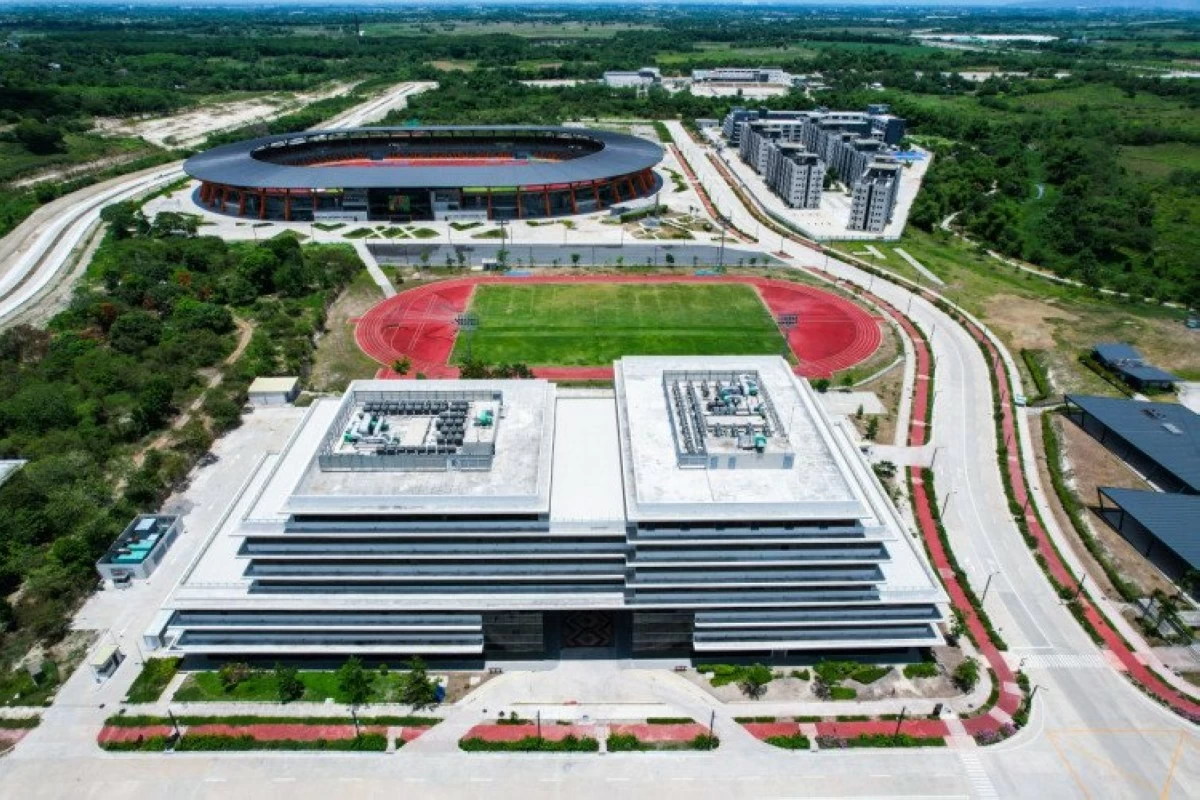
New Clark City in Tarlac (BCDA Website)
For the first half of 2025, the country’s average industrial vacancy rate is stable at 15.6 percent, but the figure will soon increase due to the more than 1,000 hectares of new industrial space, with Central Luzon cornering 870 hectares of upcoming supply. With the new industrial stock scheduled to be completed from 2025 to 2028, the region is gearing up as the next manufacturing and logistics hub in the country.
Based on foreign pledges and expansion of locators, Colliers Philippines Research Director Joey Bondoc forecasted an upcoming growth streak for Central Luzon at the recent media webinar conducted on July 31. “The region has the biggest new industrial supply, even bigger than Cavite, Laguna, and Batangas. So, you now have a region that can be a viable alternative option to key industrial parks.”
Science Park of the Philippines, Inc. (SPPI) Hermosa Ecozone in Bataan, New Clark City, and Batangas are among the biggest industrial developments, followed by Tari Estate by Aboitiz InfraCapital in Tarlac and the Clark National Food Hub by Clark International Airport Corporation in Pampanga.
Bondoc noted that Central Luzon registered an annual GDP growth of more than 6 percent in the last two years and contributed an 11.1 percent share of the country’s GDP in 2024. With major infrastructure projects, such as the modernization of the Clark International Airport and the construction of the New Manila International Airport, the NLEX-SLEX Connector highway, and the Manila-Clark Railway, the region’s connectivity and transport conduits will improve significantly in the coming years.
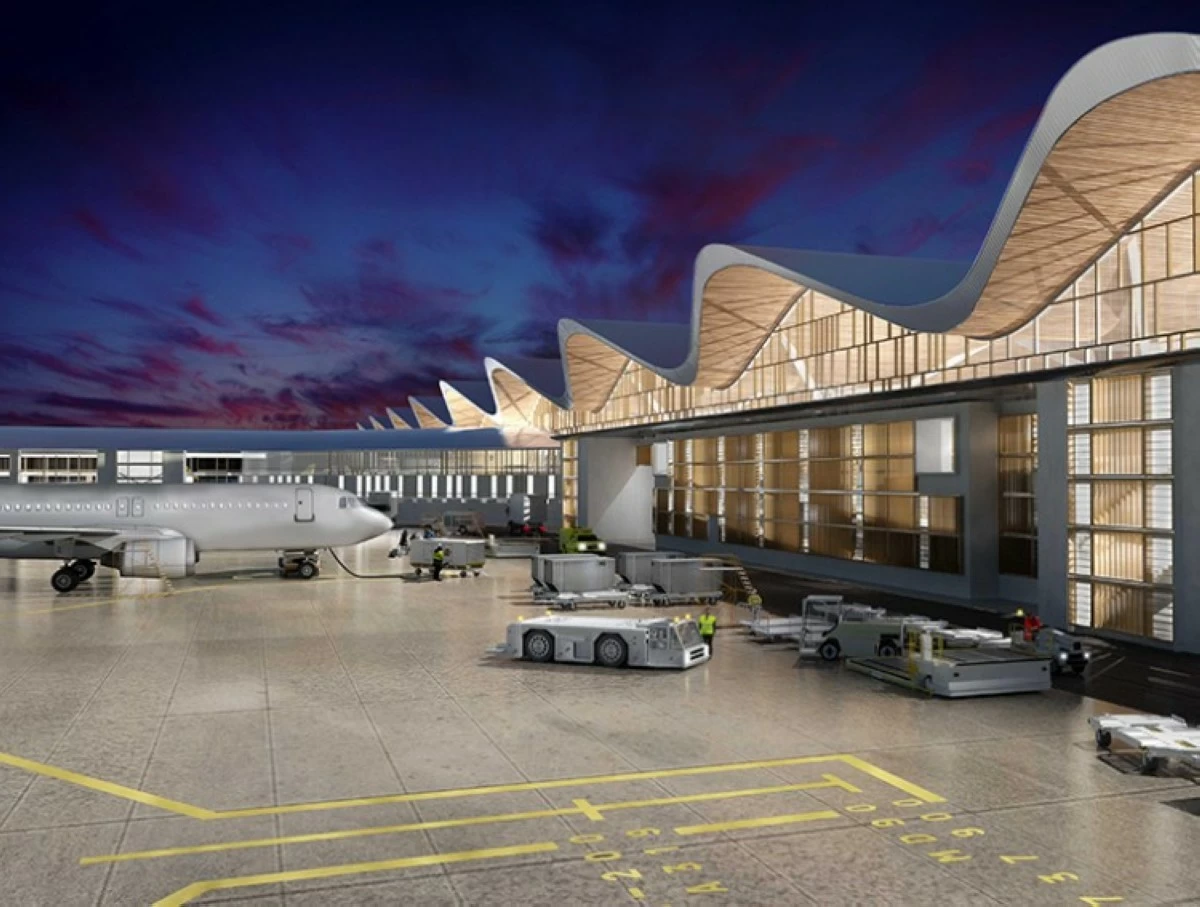
Clark International Airport (BCDA website)
With these advantages, the region secured P14.9 billion worth of foreign investment pledges, more than half of the approved foreign investments in the first quarter of 2025. The National Capital Region bagged P6.8 billion, while Calabarzon garnered P4 billion.
Bondoc added that Central Luzon continues to attract major locators from the manufacturing sector that produce electric vehicle batteries, safes and steel products, semiconductors, tires, pharmaceutical products, fiber cement products, cold storage, and food and beverages.
PLG Prime Global Company, one of the world’s leading manufacturers of luggage and travel goods, is set to return to the country and locate in Hermosa Ecozone Industrial Park in Bataan. Birns and Sawyer, a Los Angeles-based rental and specialty sales firm of motion picture equipment, will invest and set up a sound stage in New Clark City, Tarlac. Cold chain Alogi Mabalacat will soon complete its second facility in Pampanga Technopark.
In Southern Luzon, P. Imes Corporation will expand operations in the Cavite Economic Zone. Ionics EMS broke ground for its new facilities in the Light Industry and Science Park in Malvar, Batangas. As a new locator, Fuji Film will build a new manufacturing site in Carmelray Industrial Park in Calamba, Laguna. Kolin acquired 1.1 hectares of land at the First Cavite Industrial Estate for its warehousing and quality assurance facilities. At Lima Estate, 25 new locators are expected to set up shop, including Printwell, securing 1.6 hectares of printing and packaging facilities.
To improve the country’s competitiveness in the manufacturing sector, Bondoc underscored the land lease extension policy to potentially attract more locators. “Of course, it is important to extend land leases for foreign investors, because they are investing billions of dollars in the country. So it only makes sense that we extend the land lease to foreign players. Hopefully, this will attract billions of dollars of foreign direct investment. Another step to attract locators is to improve our supply chain system so that there will be greater value added when we export our products to the United States and China, our major trading partners.”