






Manila Bulletin
 Business
Trade & Industry
SEIPI: US tariff threat could 'crush' Philippine chip industry
Business
Trade & Industry
SEIPI: US tariff threat could 'crush' Philippine chip industry
Business
Trade & Industry
SEIPI: US tariff threat could 'crush' Philippine chip industry
SEIPI: US tariff threat could 'crush' Philippine chip industry
Published Aug 11, 2025 12:01 am


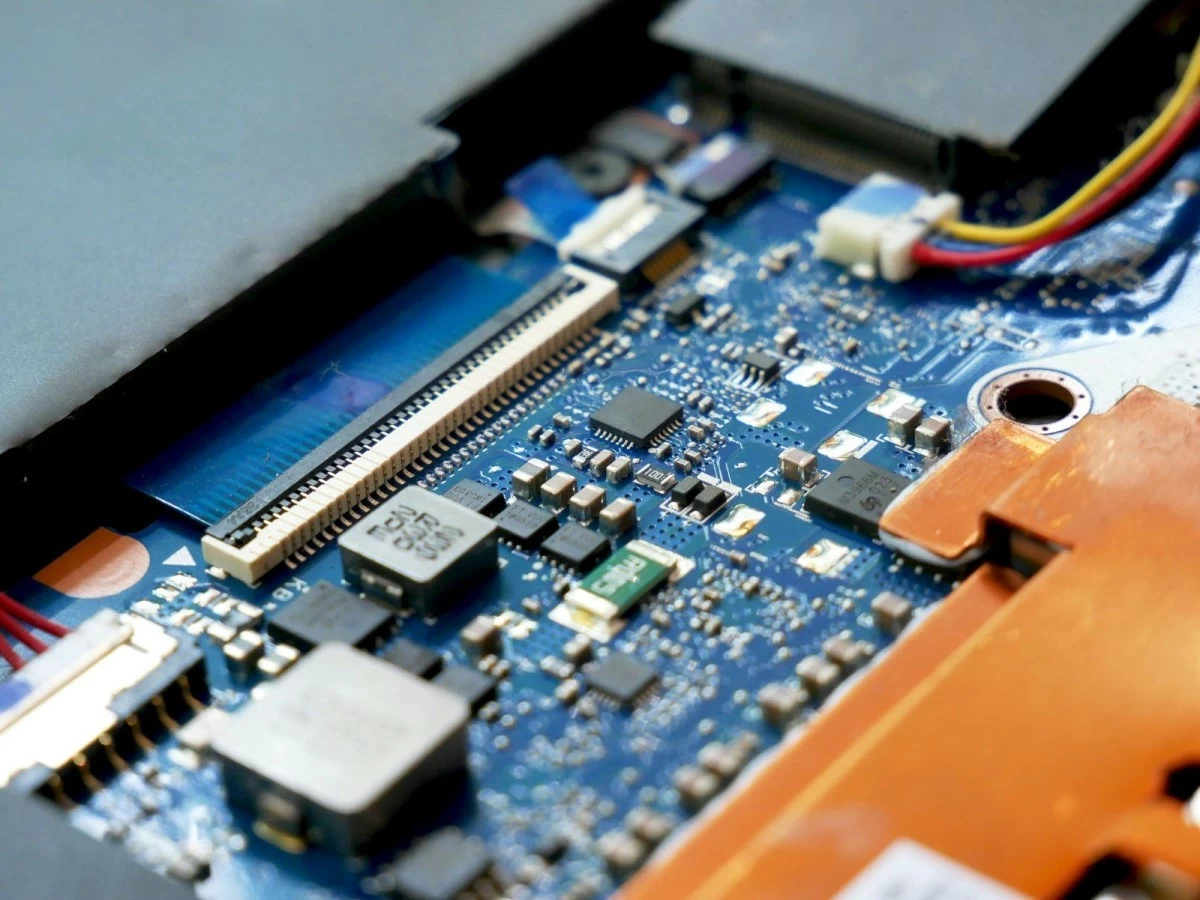
The Philippine semiconductor industry is pushing for the expansion of its export market as it braces for a “devastating” impact from the proposed 100-percent tariffs on foreign-made semiconductors entering the United States (US).
US President Donald Trump announced last week that he will impose tariffs on semiconductor imports, with exceptions for companies that are manufacturing in the US or have committed to doing so.
The Semiconductor and Electronics Industries in the Philippines Foundation Inc. (SEIPI) is raising the alarm bell over the new levy as it could lead to a drop in investments, potentially slowing down economic growth.
SEIPI President Danilo Lachica said semiconductors are exempt from any tariff due to the US Trade Expansion Act of 1962, shielding the local industry from America’s imposition of 19 percent tariffs on Philippine exports.
“So from 0 percent to 100 percent, that’s really scary. It's really going to impact the Philippine semiconductor and electronics industry,” he said in a television interview.
Lachica noted that 70 percent of the country’s exports last year were semiconductors, valued at about $30 billion.
About 15 percent of the total—amounting to $6 billion—was shipped to the US.
“On the surface, we might say that 15 percent is not that big…But we have to understand that Trump’s ultimate goal is to onshore manufacturing, whether it’s front-end wafer or assembly test and packaging, which is the strength of the Philippines,” said Lachica.
Following Trump’s announcement of exemptions for the new tariff threat, SEIPI has learned that companies operating in the country have already expressed interest in building factories in the US.
Lachica warned that such a prospect would be “devastating” for the industry and the economy at large.
“Can you imagine if these major US multinationals set up shop in the United States and get away from these tariffs? It will just crush our economy, our semiconductor and electronics industry,” he said.
According to the Philippine Statistics Authority (PSA), electronic products such as semiconductors were the commodity group with the highest import value in June, amounting to $2.56 billion.
Meanwhile, the US remained as the Philippines’ top export destination, with exports valued at $1.21 billion or 17.3 percent of the country’s total exports.
While Trump’s latest tariff announcement has not yet been implemented, the Philippine government could seek to negotiate a deal for the country, similar to how it managed to reduce the initial tariff threat of 20 percent to 19 percent.
In exchange for the 19 percent tariff threat, the Philippines has offered zero tariffs on American-made vehicles, soy, wheat, and pharmaceutical products.
For semiconductors, Lachica said he is not certain what the government could offer to the US. However, he suggested that the country may leverage its long-standing alliance with America to help cushion the blow.
“But essentially, one of the things we just need to do is continue to develop markets outside the United States,” the official said.
“And we need to move up the value chain in terms of not just producing hardware, semiconductors, electronics, but moving into integrated circuit design and other high-value activities,” he added.
Beyond the US, the country’s biggest export destinations for semiconductors are China, Hong Kong, Singapore, Japan, and the European Union.