







Religious leaders as catalysts for social change
Published Aug 11, 2025 12:05 am
|
Updated Aug 10, 2025 03:54 pm


PEACE BY PEACE
As the Bangsamoro Autonomous Region in Muslim Mindanao (BARMM) prepares for its historic first parliamentary elections in October 2025, Mindanao’s religious sector is playing a more active role in shepherding the region’s democratic future.
Going beyond their traditional roles as spiritual guides, the island-region’s religious leaders recognize that they must also serve as beacons of societal change to promote peace, mutual understanding, and moral leadership in a region long marred by conflict and division.
This is why I did not miss the opportunity to participate in the Faith and Peace in Action: OPAPRU-MiRLeC Multi-Sectoral Dialogue last August 5 in Cotabato City wherein delegates issued a joint statement titled, “Hand in Hand for Peace, Justice, and Homeland.”
The interfaith dialogue was organized by the Office of the Presidential Adviser on Peace, Reconciliation and Unity (OPAPRU) in partnership with the Mindanao Religious Leaders Conference (MiRLeC).
The day-long gathering brought together a broad coalition of Christian bishops, Muslim ulama, Indigenous leaders, and representatives from Protestant and Evangelical communities to champion moral leadership, civic engagement and the culture of peace.
The joint statement articulated a powerful vision that unites religious leaders, civil society, and community stakeholders who are committed to “stand shoulder to shoulder and work hand in hand—for peace, for justice, and for the future of our homeland.”
With a sense of urgency, the statement called on “all candidates, political parties, and institutions in BARMM and across the Philippines to uphold the democratic process with honesty, transparency, and accountability.”
“Grounded in the Bangsamoro people’s aspiration for peace, justice, and self-determination, and inspired by the spirit of interfaith collaboration, we stand united in upholding the dignity of life, the moral responsibility of leadership, and the sanctity of the vote,” it read.
The statement affirmed that “peace is a sacred and collective undertaking rooted in compassion and justice” and must be “pursued in both its spirit and law, ensuring fairness and inclusion for all.”
As trusted and well-respected figures in their communities, religious leaders are in the best position to positively influence their followers and urge them to “reject all forms of electoral violence, coercion, and manipulation.”
By promoting “a culture of safety, dignity, and mutual respect—especially for women, youth, and Indigenous Peoples,” they can address challenges such as “political violence and vote-buying persistent land and property conflict, and the exclusion of vulnerable communities.”
Through their regular sermons, community dialogues, and interfaith gatherings, religious leaders can foster a shared commitment to nonviolence and human dignity, and thereby ensuring that the result of the Bangsamoro elections will reflect the region’s shared values.
In the statement, the signatories committed to “actively support voter education grounded in shared values—truth (katotohanan), trust (tiwala), fairness (pagkapantay-pantay), justice (katarungan) and service (pag-alagad)—fostering critical thinking and moral discernment.”
By integrating voter education into their religious teachings, these leaders can empower citizens to make principled choices, counter misinformation and manipulation and cultivate an electorate that is rooted in integrity and accountability.
The statement also recognized that “families and young people not only as onlookers, but as active participants in building a culture of peace, ethical political participation, and accountability.”
By framing electoral participation as a moral and spiritual duty, the youth can be inspired to reject divisive politics and become stewards of BARMM’s future. As we know, the youth are vulnerable to exploitation but can become agents of positive change.
The statement likewise called for increased collaboration across “Muslim, Christian, Lumad; elders and youth; women and men—building trust, engaging in open dialogue, and upholding shared values from the grassroots to the regional level.”
Mindanao’s religious leaders can organize interfaith dialogues and joint peacebuilding initiatives that bridge divides and foster trust, which can counter tribal and sectarian tensions that have fueled conflict during elections.
This is where the strong partnership between civil society, local governments, and educational institutions will be critical, as they can further amplify the religious sector’s advocacy effort and create a multi-sectoral approach to peaceful elections.
The religious sector also committed to nurturing social cohesion by “actively support[ing] our respective community’s continued growth and development beyond the elections—restoring relationships, rebuilding trust, and nurturing social cohesion.”
The OPAPRU is honored to work with MiRLeC, which builds on the legacy of the Bishops-Ulama Conference (BUC) and has been instrumental in de-escalating tensions and preventing the outbreak of violence in the Bangsamoro and across Mindanao.
Under the leadership of Bishop Edwin A. de la Peña and Dr. Muhammad Nadzir Ebil, MiRLeC has expanded its mission to include youth, women, and civil society to amplify its impact and reach among Mindanao’s tri-people—Muslims, Christians, and Indigenous Peoples.
Also among MiRLeC’s major pillars is Archbishop Emeritus of Cotabato Cardinal Orlando B. Quevedo who led the drafting of the Joint Statement. He conveyed his full support through a pre-recorded message shared during the peace dialogue.
In his message, Archbishop Quevedo emphasized the need “to face these issues squarely so that elections in the future will determine the kind of moral, spiritual and political governance that is urgent and necessary.”
We can only say amen to that.
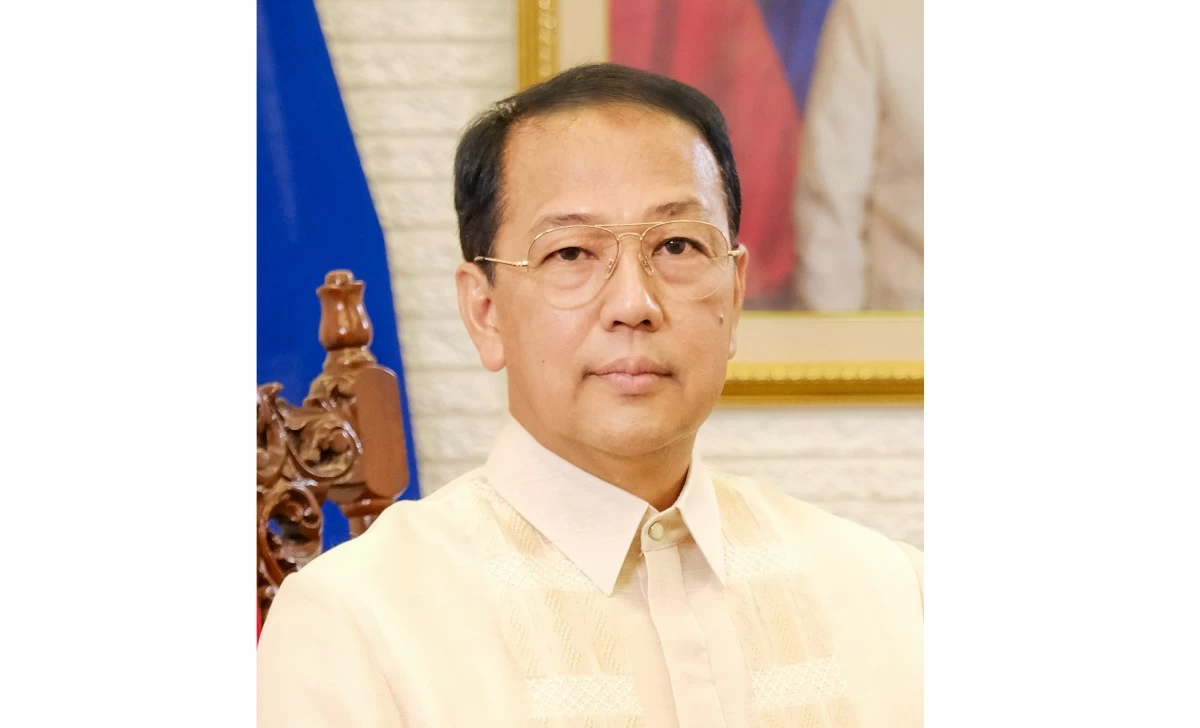
(Secretary Carlito G. Galvez, Jr., is the presidential adviser on peace, reconciliation and unity.)