ADVERTISEMENT

Israeli official says PH stance on Israel-Hamas conflict 'result of continued war,' admits frustration over world reaction

Published Aug 11, 2025 11:45 am  |  Updated Aug 11, 2025 01:30 pm
JERUSALEM, Israel—The Philippines' recent vote in the UN General Assembly (UNGA) favoring a ceasefire in Gaza and President Marcos' call for the entry of humanitarian assistance into the strip are only among the results of Israel's continued war on Hamas, an Israeli official admitted.
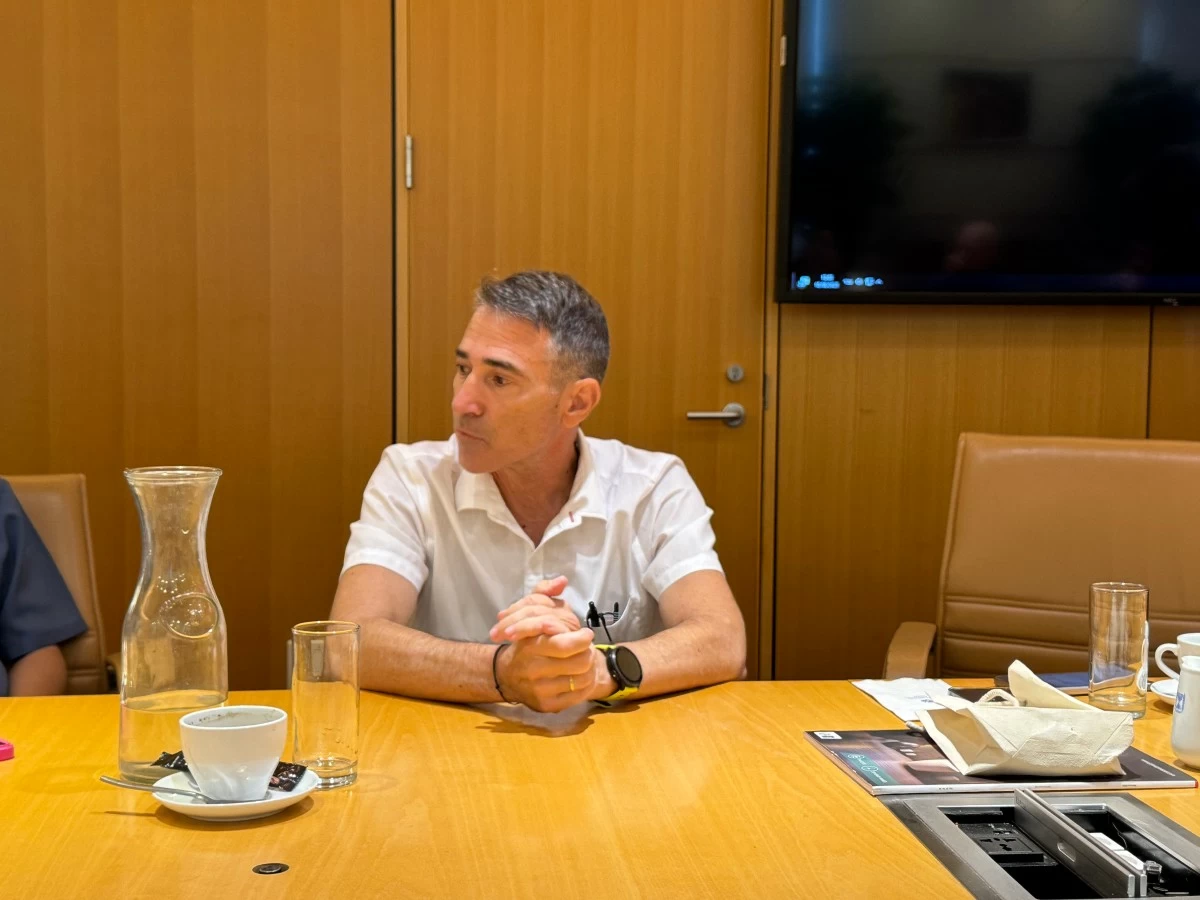
Sagi Karni, head of Bureau for Southeast Asia and India of Israel Foreign Affairs Ministry, said the scenes from Gaza that people see, such as the "lots of casualties," do "have an impact on what people feel."
"This is the result of the continuation of the war," Karni said.
His remark was made in a roundtable with Filipino journalists on Sunday morning (local time), Aug. 10, at the Ministry of Foreign Affairs here, shortly before Prime Minister Benjamin Netanyahu held a rare press conference, where he bared his "five-point" post-war vision for Gaza.
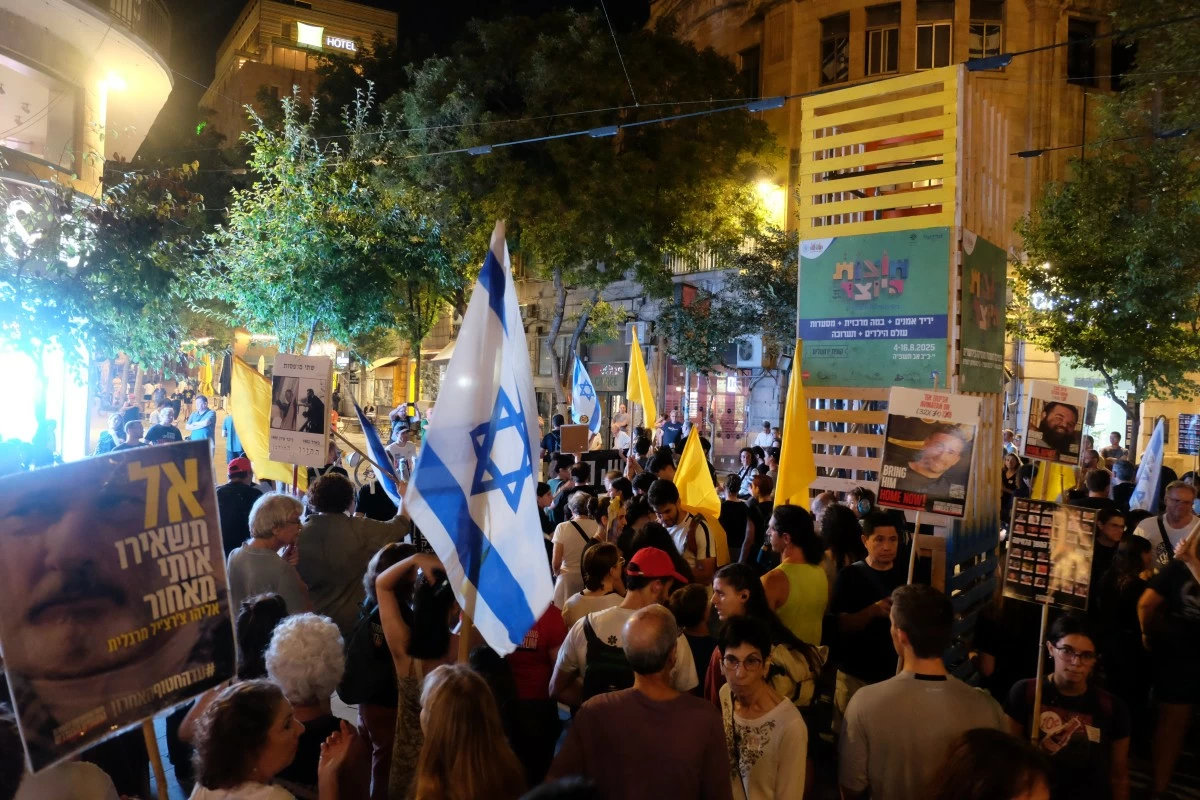
In the initial months after Israel retaliated against Hamas' surprise attack on Oct. 7, 2023, when at least 736 people were killed and 250 were taken hostage, Manila had repeatedly supported Tel Aviv's right to self-defense.
But Manila's tone turned slightly different when in June 2025, it voted in favor of a UNGA resolution that called for an unconditional and immediate ceasefire in Gaza as well as aid access.
President Marcos, in August 7, also said "Israel has to decide to allow humanitarian aid to come in," and called the deaths, destruction, and starvation in Gaza as "unacceptable."
For Karni, "there is a need to have moral clarity that Filipinos are killed by Palestinians and Iranians."
"So why would you vote in the UN against Israel when your people have been killed by Iranians and Palestinians," he said, as five Filipinos were killed during the Oct. 7 attack.
Karni admitted that "it is true that we are somewhat frustrated by the reaction of world opinion."
"But we also know that we have a lot of friends [countries] whose voices are not heard," he added.
Karni said Israel's war on Hamas will be over if it "will release all the hostages, lay down its weapons and will not control the Gaza Strip."
He said he is "optimistic" that it would happen as Israel already managed to "militarily defeat" Hamas as well as its sympathizers and backers, such as Houthis, Hezbollah and Iran.
Meanwhile, Netanyahu said his plans after the war would be: "Gaza will be demilitarized; Israel will have overriding security responsibility; a security zone will be established on Gaza’s border with Israel to prevent future terrorist incursions; a civilian administration will be established in Gaza that will seek to live in peace with Israel."

Related Tags

Israel-Hamas war President Marcos world reaction Sagi Karni
ADVERTISEMENT
.most-popular .layout-ratio{ padding-bottom: 79.13%; } @media (min-width: 768px) and (max-width: 1024px) { .widget-title { font-size: 15px !important; } }

{{ articles_filter_1561_widget.title }}

.most-popular .layout-ratio{ padding-bottom: 79.13%; } @media (min-width: 768px) and (max-width: 1024px) { .widget-title { font-size: 15px !important; } }

{{ articles_filter_1562_widget.title }}

.most-popular .layout-ratio{ padding-bottom: 79.13%; } @media (min-width: 768px) and (max-width: 1024px) { .widget-title { font-size: 15px !important; } }

{{ articles_filter_1563_widget.title }}

{{ articles_filter_1564_widget.title }}

.mb-article-details { position: relative; } .mb-article-details .article-body-preview, .mb-article-details .article-body-summary{ font-size: 17px; line-height: 30px; font-family: "Libre Caslon Text", serif; color: #000; } .mb-article-details .article-body-preview iframe , .mb-article-details .article-body-summary iframe{ width: 100%; margin: auto; } .read-more-background { background: linear-gradient(180deg, color(display-p3 1.000 1.000 1.000 / 0) 13.75%, color(display-p3 1.000 1.000 1.000 / 0.8) 30.79%, color(display-p3 1.000 1.000 1.000) 72.5%); position: absolute; height: 200px; width: 100%; bottom: 0; display: flex; justify-content: center; align-items: center; padding: 0; } .read-more-background a{ color: #000; } .read-more-btn { padding: 17px 45px; font-family: Inter; font-weight: 700; font-size: 18px; line-height: 16px; text-align: center; vertical-align: middle; border: 1px solid black; background-color: white; } .hidden { display: none; }
function initializeAllSwipers() { // Get all hidden inputs with cms_article_id document.querySelectorAll('[id^="cms_article_id_"]').forEach(function (input) { const cmsArticleId = input.value; const articleSelector = '#article-' + cmsArticleId + ' .body_images'; const swiperElement = document.querySelector(articleSelector); if (swiperElement && !swiperElement.classList.contains('swiper-initialized')) { new Swiper(articleSelector, { loop: true, pagination: false, navigation: { nextEl: '#article-' + cmsArticleId + ' .swiper-button-next', prevEl: '#article-' + cmsArticleId + ' .swiper-button-prev', }, }); } }); } setTimeout(initializeAllSwipers, 3000); const intersectionObserver = new IntersectionObserver( (entries) => { entries.forEach((entry) => { if (entry.isIntersecting) { const newUrl = entry.target.getAttribute("data-url"); if (newUrl) { history.pushState(null, null, newUrl); let article = entry.target; // Extract metadata const author = article.querySelector('.author-section').textContent.replace('By', '').trim(); const section = article.querySelector('.section-info ').textContent.replace(' ', ' '); const title = article.querySelector('.article-title h1').textContent; // Parse URL for Chartbeat path format const parsedUrl = new URL(newUrl, window.location.origin); const cleanUrl = parsedUrl.host + parsedUrl.pathname; // Update Chartbeat configuration if (typeof window._sf_async_config !== 'undefined') { window._sf_async_config.path = cleanUrl; window._sf_async_config.sections = section; window._sf_async_config.authors = author; } // Track virtual page view with Chartbeat if (typeof pSUPERFLY !== 'undefined' && typeof pSUPERFLY.virtualPage === 'function') { try { pSUPERFLY.virtualPage({ path: cleanUrl, title: title, sections: section, authors: author }); } catch (error) { console.error('ping error', error); } } // Optional: Update document title if (title && title !== document.title) { document.title = title; } } } }); }, { threshold: 0.1 } ); function showArticleBody(button) { const article = button.closest("article"); const summary = article.querySelector(".article-body-summary"); const body = article.querySelector(".article-body-preview"); const readMoreSection = article.querySelector(".read-more-background"); // Hide summary and read-more section summary.style.display = "none"; readMoreSection.style.display = "none"; // Show the full article body body.classList.remove("hidden"); } document.addEventListener("DOMContentLoaded", () => { let loadCount = 0; // Track how many times articles are loaded const offset = [1, 2, 3, 4, 5, 6, 7, 8, 9, 10]; // Offset values const currentUrl = window.location.pathname.substring(1); let isLoading = false; // Prevent multiple calls if (!currentUrl) { console.log("Current URL is invalid."); return; } const sentinel = document.getElementById("load-more-sentinel"); if (!sentinel) { console.log("Sentinel element not found."); return; } function isSentinelVisible() { const rect = sentinel.getBoundingClientRect(); return ( rect.top < window.innerHeight && rect.bottom >= 0 ); } function onScroll() { if (isLoading) return; if (isSentinelVisible()) { if (loadCount >= offset.length) { console.log("Maximum load attempts reached."); window.removeEventListener("scroll", onScroll); return; } isLoading = true; const currentOffset = offset[loadCount]; window.loadMoreItems().then(() => { let article = document.querySelector('#widget_1690 > div:nth-last-of-type(2) article'); intersectionObserver.observe(article) loadCount++; }).catch(error => { console.error("Error loading more items:", error); }).finally(() => { isLoading = false; }); } } window.addEventListener("scroll", onScroll); });

Sign up by email to receive news.