







How effective is psychodermatology?
A look into the work of psychiatrist-dermatologist Dr. Antonio Sison
Published Aug 11, 2025 01:19 pm


At A Glance
- Our brain and skin share the same embryonic origin, developing simultaneously on day 21 of embryonic life.
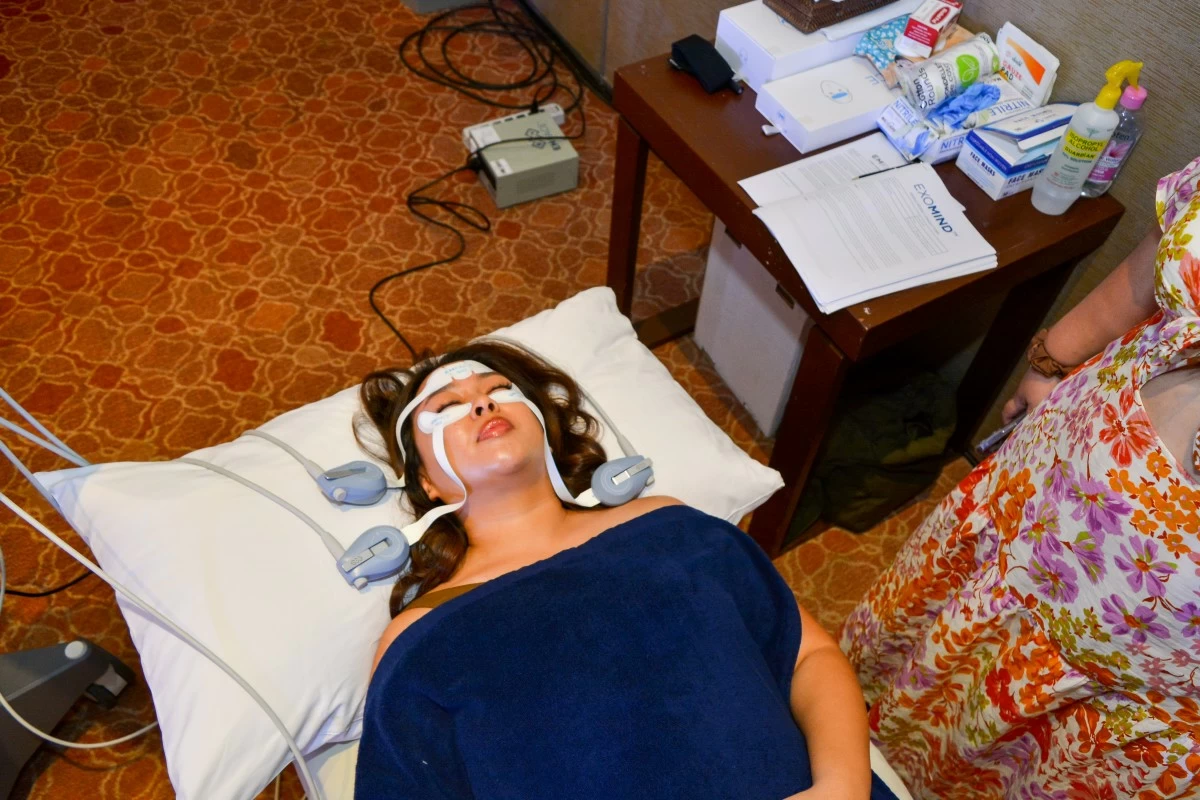
IN THE WAVES A demonstration of ExoMind's transcranial magnetic stimulation technology
The azure waters of Boracay witnessed something extraordinary on Aug. 4, 2025. BTL Philippines transformed the Shangri-La into a nexus where cutting-edge neuroscience meets aesthetic medicine, marking what may be the most significant paradigm shift in Filipino beauty culture since Botox was introduced to our shores decades ago. As someone who has spent two decades studying the intersection of preventive medicine and human behavior, I can confidently say we’re witnessing the birth of truly integrative aesthetic medicine.
What captivated me most wasn’t BTL’s impressive credentials—though its ranking as the 30th largest medical device company globally, with over 600,000 installations worldwide, medical equipment and devices, and 300+ patents, certainly commands respect. Rather, it was meeting Dr. Antonio Sison, the Philippines’ first and only board-certified psychiatrist-dermatologist, whose pioneering work in psychodermatology represents exactly the kind of holistic thinking our field desperately needs.
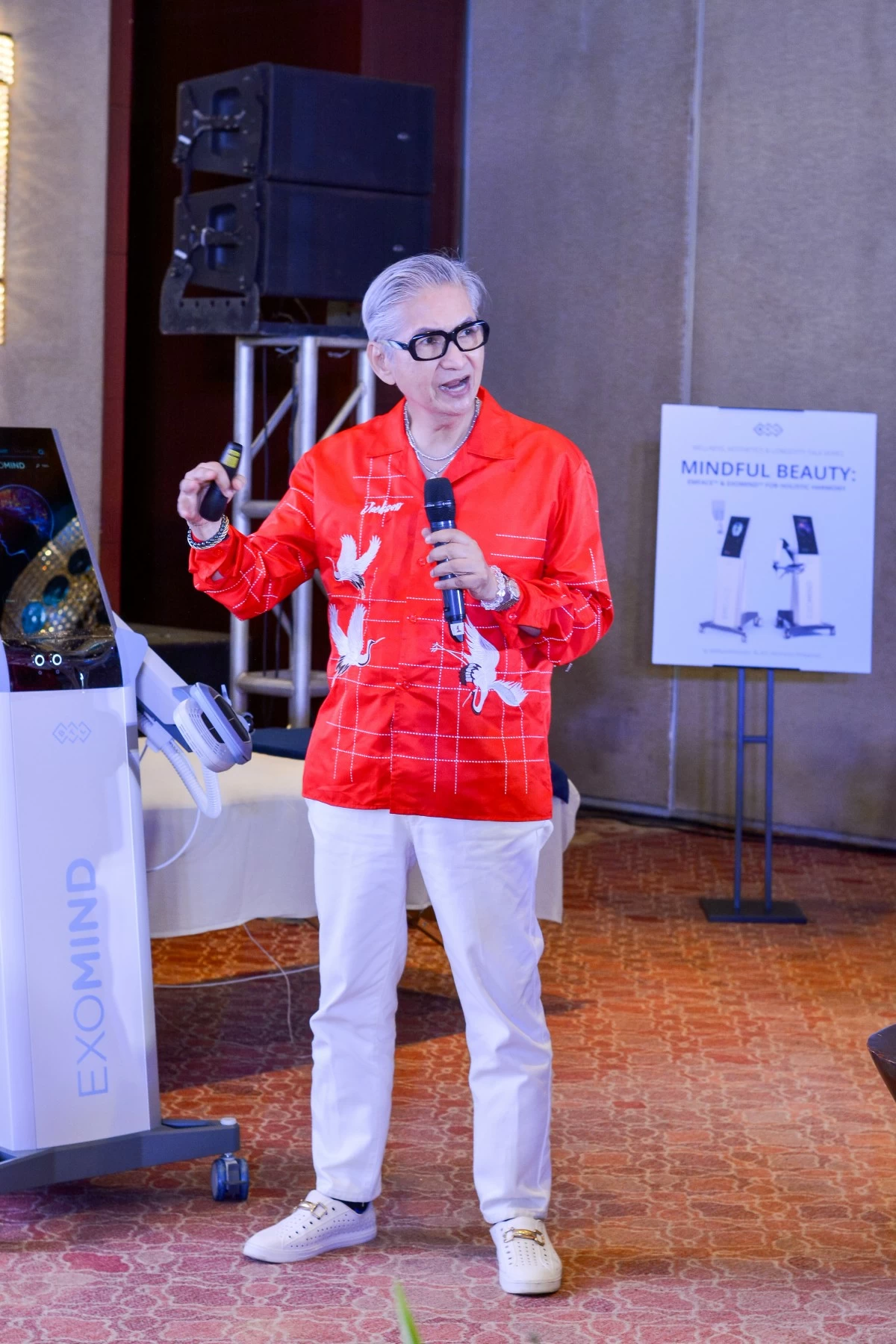
SOUND MIND AND BODY Dr. Antonio Sison
When minds meet mirrors
Dr. Antonio's dual specialization isn’t just innovative—it’s scientifically prescient. My Dresden International University training in preventive medicine taught me that the most profound health breakthroughs occur at the intersection of disciplines, and psychodermatology represents exactly this convergence. The science is compelling. Our brain and skin share the same embryonic origin, developing simultaneously on day 21 of embryonic life. When Dr. Antonio speaks about treating the mind-skin connection, he’s addressing fundamental biology, not mere wellness trends.
The centerpiece of BTL’s “Mindful Beauty” event was its revolutionary Exomind device, featuring transcranial magnetic stimulation (TMS) technology. Having reviewed the clinical data, I’m genuinely impressed. The device targets the prefrontal cortex—our brain’s executive center—using precisely calibrated magnetic fields to enhance neuroplasticity and emotional regulation. With 1,200+ patients showing a 50 percent reduction in depressive symptoms within four weeks and 90 percent reporting improved emotional regulation, Exomind Treatment for Mental Wellness is not just another beauty gadget; it’s evidence-based neuroscience applied to wellness.
As a columnist, I’m particularly fascinated by how language shapes our understanding of beauty treatments. The term “Mindful Beauty” itself reflects a semantic evolution in our industry. We’re moving beyond the superficial connotations of “cosmetic enhancement” toward something more profound: The recognition that authentic beauty emerges from the integration of mental wellness and physical health.
The science behind the transformation
The Exomind represents more than technological advancement. It embodies a fundamental shift in how we approach aesthetic medicine. Traditional TMS therapy, FDA-approved since 2008 for depression, and the FDA permits the marketing of transcranial magnetic stimulation for the treatment of obsessive-compulsive disorder. BTL’s innovation lies in repositioning this established neuroscience for preventive mental wellness rather than reactive treatment—a distinction that aligns perfectly with my preventive medicine philosophy.
From my clinical perspective, this integration addresses what I’ve observed in 20 years of practice: Patients seeking aesthetic treatments often carry underlying emotional concerns about aging, self-worth, and social acceptance. Traditional aesthetic medicine addressed symptoms; integrative approaches like Dr. Antonio's address root causes.
Cultural implications for Filipino wellness
The Philippines' aesthetic medicine market, growing at 11.86 percent annually to reach $313.74 million by 2032, is perfectly positioned for this evolution. Our cultural concept of “kapwa”—shared identity and interconnectedness—naturally embraces holistic approaches that recognize the inseparable connection between mental and physical wellbeing.
BTL’s choice of Boracay for this launch was not merely scenic; it was strategically astute. Our government actively promotes medical tourism, DOT, and combining advanced neuroscience treatments with tropical recovery environments creates a unique value proposition. Imagine recovering from both aesthetic enhancement and stress reduction while overlooking pristine beaches—this is wellness tourism at its most sophisticated.
The future landscape
What excites me most is the scientific rigor behind this movement. The Global Wellness Institute reports that aesthetic health now encompasses neuro-aesthetics—the study of how beauty experiences activate our brain’s reward circuitry, releasing dopamine and endogenous opioids. This isn’t pseudoscience; it’s measurable neurochemistry.
BTL’s European manufacturing heritage, with facilities producing 50,000+ devices annually, combined with its one million daily treatments worldwide, provides the scale and credibility necessary for mainstream medical acceptance. When Dr. Antonio discusses using Exomind for mental wellness optimization rather than just treating depression, he’s describing preventive psychiatry—exactly the kind of proactive healthcare our aging global population needs.
As both a medical professional and cultural observer, I believe we’re witnessing the emergence of “precision wellness”—personalized interventions that address individual psychological profiles alongside aesthetic goals. The BTL event at Shangri-La Boracay may well be remembered as the moment Filipino aesthetic medicine embraced true mind-body integration, establishing our country as a leader in the global wellness revolution.
The future of beauty isn’t just about looking good—it’s about feeling authentically well from the inside out.