







How doctors eventually learned they were human too
Reformations in the medical field through the years
Published Aug 11, 2025 11:52 am


At A Glance
- Reforms were slow to come, but they finally came to a head when an exhausted medical resident fell asleep behind the wheel and caused a major vehicular accident.
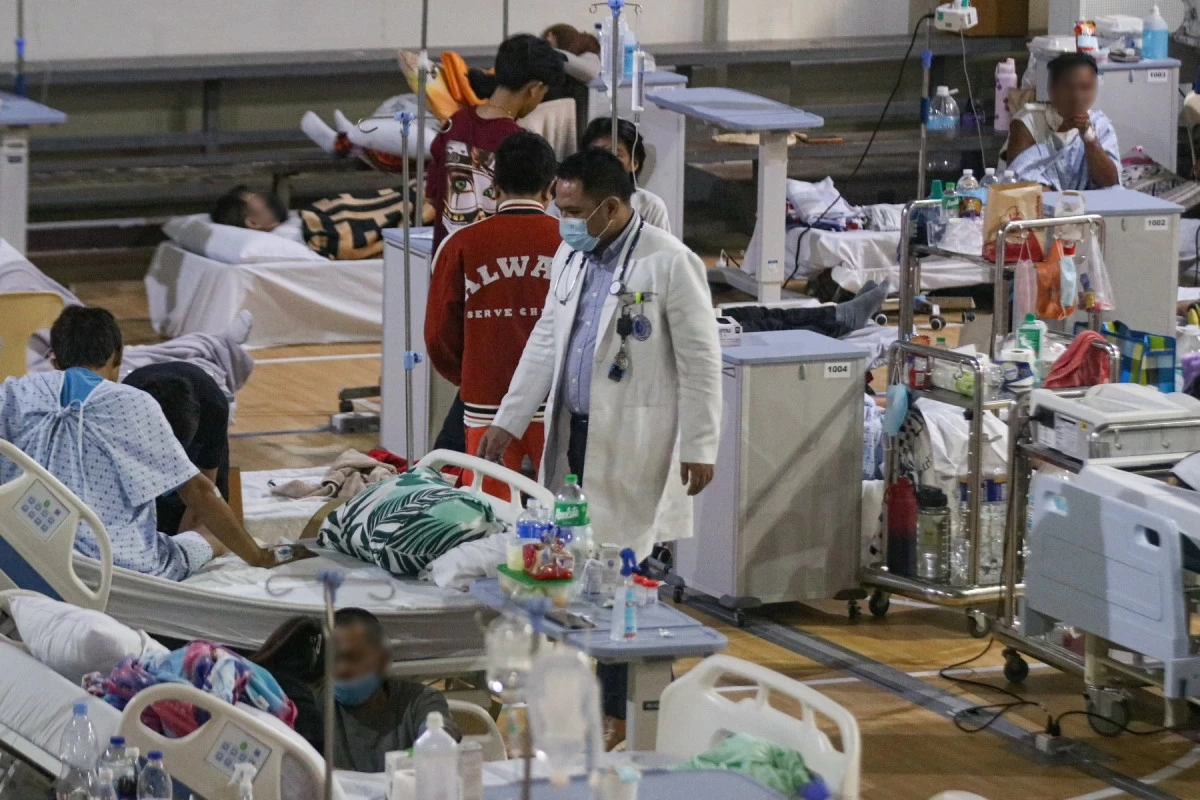
ON THE FRONTLINES Doctors and medical practitioners face high risks to ensure their patients' wellbeing (Photo Santi San Juan)
Last week, I had a bad bout of the flu to the point where I had to skip rounds since I could not stay upright for very long. My wife, also a doctor, promptly got it from me, and she had to cancel some clinics. While we were recovering, we were still answering texts and calls and participating in family conferences for patients via Zoom.
As Gen X doctors who graduated from medical school in 2001, it was an implied commandment that you couldn’t be absent unless you had a life-threatening illness. High fever and chills? As long as you could walk, you would come in anyway. The patients always come first. This gung-ho attitude extended to our academics. I remember I had dengue while in medical school and was confined to the hospital. I didn’t want to be absent from class and be required to take finals, so I put my uniform on over my IV line and went to the classroom. Fortunately or unfortunately, the teacher in that class was the same doctor taking care of me in the hospital. I was unceremoniously sent back to my room, and I wasn’t able to sign attendance. On the way back to my hospital room, people in the elevator admiringly looked at my IV pole and my uniform and complimented me on how dedicated I was to the practice of medicine. During our clerkship and internship, we pulled 24-hour duties every three days and worked 12 hours post-duty, easily clocking more than 100 hours of work per week. If you were absent, someone had to take over your duties and ended up with double the work. You also had to make up for that absence somehow, even if it meant working on Sundays or after your rotation was over.
Over time, these attitudes changed, and there was a realization that doctors are human and need time to rest. When we were training in the US, there was a strong push to decrease medical resident duties to under 80 hours a week. In fact, the word “resident,” which refers to a doctor doing training in a field of specialty, came about because the trainee literally lived in the hospital. Reforms were slow to come, but they finally came to a head when an exhausted medical resident fell asleep behind the wheel and caused a major vehicular accident. When we were in medical residency, we were among the first batches to go on duty every five days, which was unheard of at that time.
As we transitioned to fellowship subspecialty training, work hours for residents became even shorter, with residents no longer allowed to spend more than 24 hours straight in the hospital. Hospitals that didn’t follow this rule faced fines, sanctions, and even the loss of their accreditation. Older doctors worried that trainees no longer took ownership of patients, which might translate to a change in patient-doctor trust. It could also result in less clinical learning. There were concerns about poor endorsement and handoff to the next set of on-call physicians. The counterargument to this was that you didn’t want a doctor who lacked sleep having to make major decisions about your health. More free time meant trainees could spend time reading up on their cases and acquiring a more in-depth knowledge of medicine.
When we returned to the Philippines in 2008, the changes we saw in American health education were starting to take place at home as well. No longer were medical students and residents subjected to inhumane work conditions and hours. Tasks that did not require a medical degree, such as monitoring patient vital signs and extracting blood, were reassigned to nursing aides and medical technologists, respectively. We had to do all those tasks on top of patient care when we were medical students. While I do agree that a lot of that work can be done by non-MDs, I feel that something was missing from their training. Monitoring vital signs on an entire ward of patients every few hours helped hone my nose for any clinical changes among patients. Extracting blood from someone with non-existent veins really developed my manual dexterity and taught me perseverance. I realized, however, that there were only so many hours left for training, and something had to be given up.
When the pandemic hit, a lot of Gen X doctors led the charge to take care of patients. I myself took care of up to 60 patients in the hospital at any given time, on top of my duties advising the government and running our institute at the National Institutes of Health. Some of my colleagues had more than 100 patients in the hospital at a time. This was more extreme than our workloads in medical school and residency, and I don’t think I would have survived if I hadn’t had adequate exposure to adverse conditions. A lot of our younger colleagues and trainees ended up burning out, and this was completely understandable.
Then there was my father-in-law, National Scientist and gastroenterologist par excellence, Dr. Ernesto Domingo. A few months after the lockdown, before vaccines were available, he decided to reopen his clinic. He was 83 years old at that time and was in the highest risk group. When we pleaded with him to reconsider at least until Covid-19 vaccines were available, he gruffly told us that his patients needed him. We immediately backed off, of course, but we did wrap him up in PPE, an N-95 respirator, and a medical-grade face shield. Luckily, he survived. But this also got me thinking that even as I complained about the future doctors not being able to handle that much adversity, the older ones probably thought the same about us.
The lesson I learned from all of this is that our profession is evolving and that the practice of medicine will also evolve, not just from a knowledge aspect but also from a societal standpoint. It is no longer acceptable to subject our trainees to inhumane conditions, even if we did survive them. What is important is that we put our patients first, and we can’t do this if we don’t take care of our doctors properly.