






Manila Bulletin
 Philippines
National
'Gorio' will not affect Philippines or strengthen 'habagat', says PAGASA
Philippines
National
'Gorio' will not affect Philippines or strengthen 'habagat', says PAGASA
Philippines
National
'Gorio' will not affect Philippines or strengthen 'habagat', says PAGASA
'Gorio' will not affect Philippines or strengthen 'habagat', says PAGASA
Published Aug 11, 2025 03:13 pm


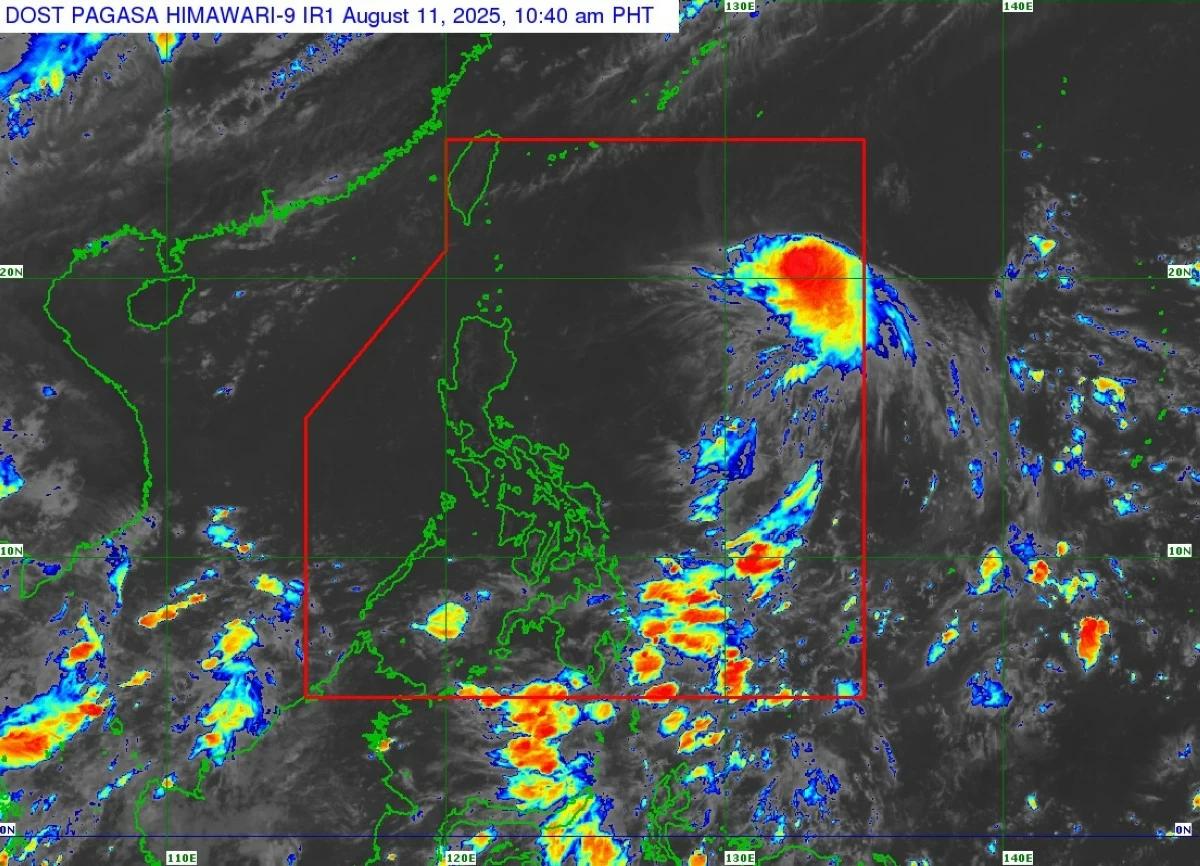
PAGASA
Severe tropical storm Gorio (international name: Podul) continues to move westward but remains far from the Philippine landmass, posing no direct threat to the country, the Philippine Atmospheric, Geophysical and Astronomical Services Administration (PAGASA) said on Monday, Aug. 11.
As of 11 a.m., Gorio was located 1,170 kilometers east of extreme Northern Luzon, with maximum sustained winds of 110 kilometers per hour (kph) and gusts up to 135 kph.
PAGASA weather specialist John Manalo said the severe tropical storm may intensify into a typhoon within the next 12 hours.
The weather bureau is not ruling out the possible raising of Tropical Cyclone Wind Signal No. 1 over extreme Northern Luzon, particularly in Batanes and the Babuyan Islands, if Gorio shifts southward.
If it maintain its current movement at 25 kph, Gorio is expected to exit the Philippine Area of Responsibility (PAR) by Wednesday evening, Aug. 13.
Based on the latest forecast, Manalo said there is no direct impact from the severe tropical storm on any part of the country, as the clouds and strong winds remain distant from the Philippines.
He added that there is also no indirect effect, such as an enhancement of the southwest monsoon, locally known as the “habagat.”
Manalo explained that typically, when a storm is nearby, it can pull moisture toward the country, increasing rainfall, especially over western Luzon.
However, because the moisture associated with the habagat is currently limited, Gorio will not strengthen the monsoon winds, he said.
Manalo pointed out that only a weak habagat is currently affecting western Luzon, including Palawan, Occidental Mindoro, the Ilocos Region, Zambales, Bataan, and Metro Manila.
Most of the country will experience partly cloudy skies with generally fair weather and a low chance of rain despite the presence of the habagat, he said.
If it does rain, it will likely be due to localized thunderstorms or brief showers lasting up to two hours, he added.
PAGASA still advised the public to remain vigilant during severe thunderstorms, which often bring heavy rainfall, lightning, thunder, and gusty winds, as these conditions may trigger flash floods or landslides.