






Manila Bulletin
 Philippines
National
Taal Volcano shows increased seismic activity; Phivolcs warns of possible eruption
Philippines
National
Taal Volcano shows increased seismic activity; Phivolcs warns of possible eruption
Philippines
National
Taal Volcano shows increased seismic activity; Phivolcs warns of possible eruption
Taal Volcano shows increased seismic activity; Phivolcs warns of possible eruption
By Jel Santos
Published Aug 10, 2025 02:58 pm


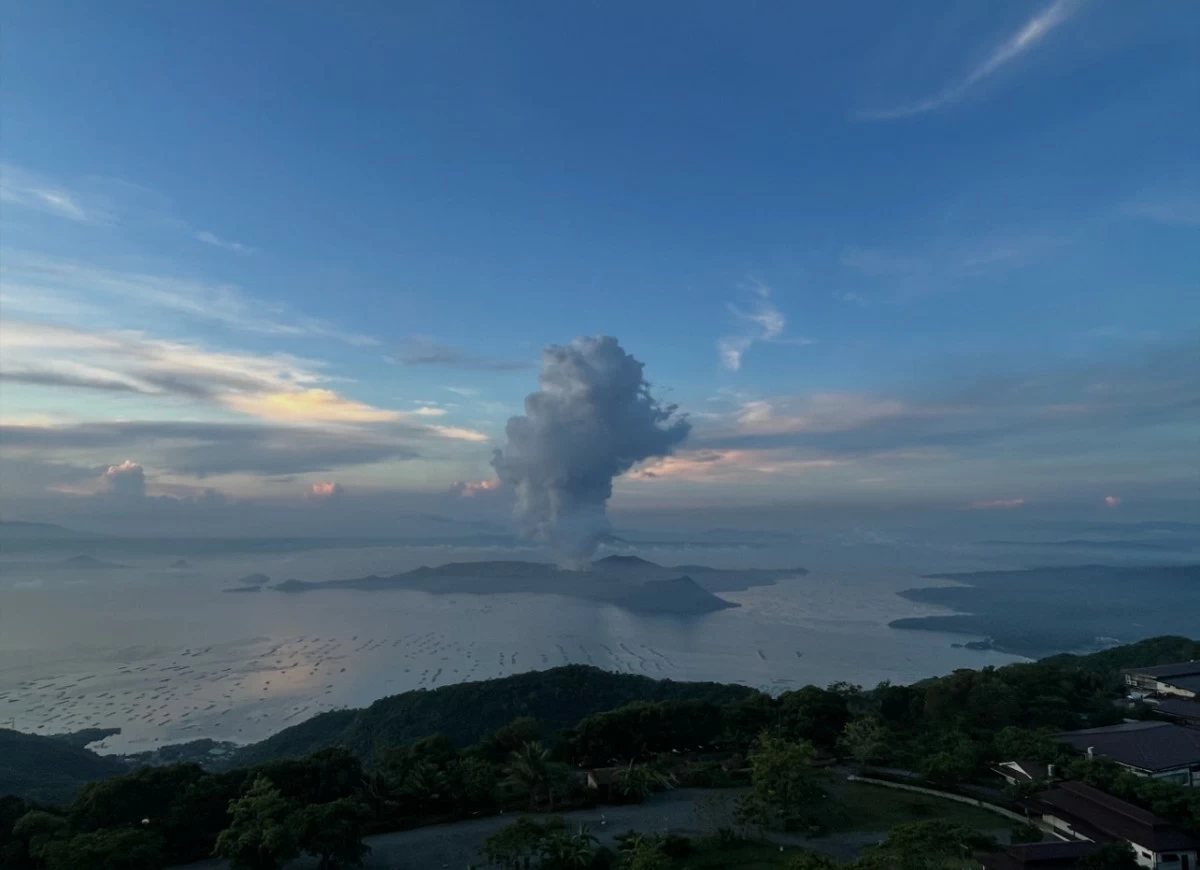
(MB FILE PHOTO/JEL SANTOS)
The Philippine Institute of Volcanology and Seismology (Phivolcs) on Sunday, August 10, warned that Taal Volcano may produce a phreatic or even a minor phreatomagmatic eruption following a sharp increase in seismic energy and intense steaming from its main crater.
In its 2 p.m. advisory, the agency said that since 5:25 a.m. on August 10, stations of the Taal Volcano Network (TVN) on Taal Volcano Island (TVI) have been recording “a pronounced increase in real-time seismic energy measurement, or RSAM, simultaneous with continuing volcanic tremor.”
According to Phivolcs, 19 volcanic earthquakes were recorded from August 9 until Sunday morning.
The advisory stated that visual observations showed “a moderate to voluminous plume from the Taal Main Crater since the start of RSAM increase.”
Phivolcs noted that the volcano has been releasing low levels of sulfur dioxide since June, with the latest reading on August 8 averaging 374 tonnes per day.
“These sharp increase in RSAM and vigorous steaming from the Main Crater may lead to a phreatic or even a minor phreatomagmatic eruption,” the agency stated.
Phivolcs said Alert Level 1 remains in effect, indicating abnormal condition but not ruling out sudden hazardous activity.
“At Alert Level 1, sudden steam-driven or phreatic or minor phreatomagmatic eruptions, minor ashfall and lethal accumulations or expulsions of volcanic gas can occur and threaten areas within TVI (Taal Volcano Island) ,” it added.
The agency stressed in its advisory that entry into Taal Volcano Island, especially the main crater and the Daang Kastila fissure, is strictly prohibited.
Local governments were urged to “continuously prepare for potential recurrence of volcanic sulfur dioxide increases and exposure of their communities” and to take action to mitigate health risks.
Also, Phivolcs advised civil aviation authorities to “avoid flying above TVI as ash from any sudden eruption can be hazardous to aircraft.”