







PDEA, DDB want 'tuklaw' to be classified as dangerous drug
By Chito Chavez
Published Aug 10, 2025 01:33 pm


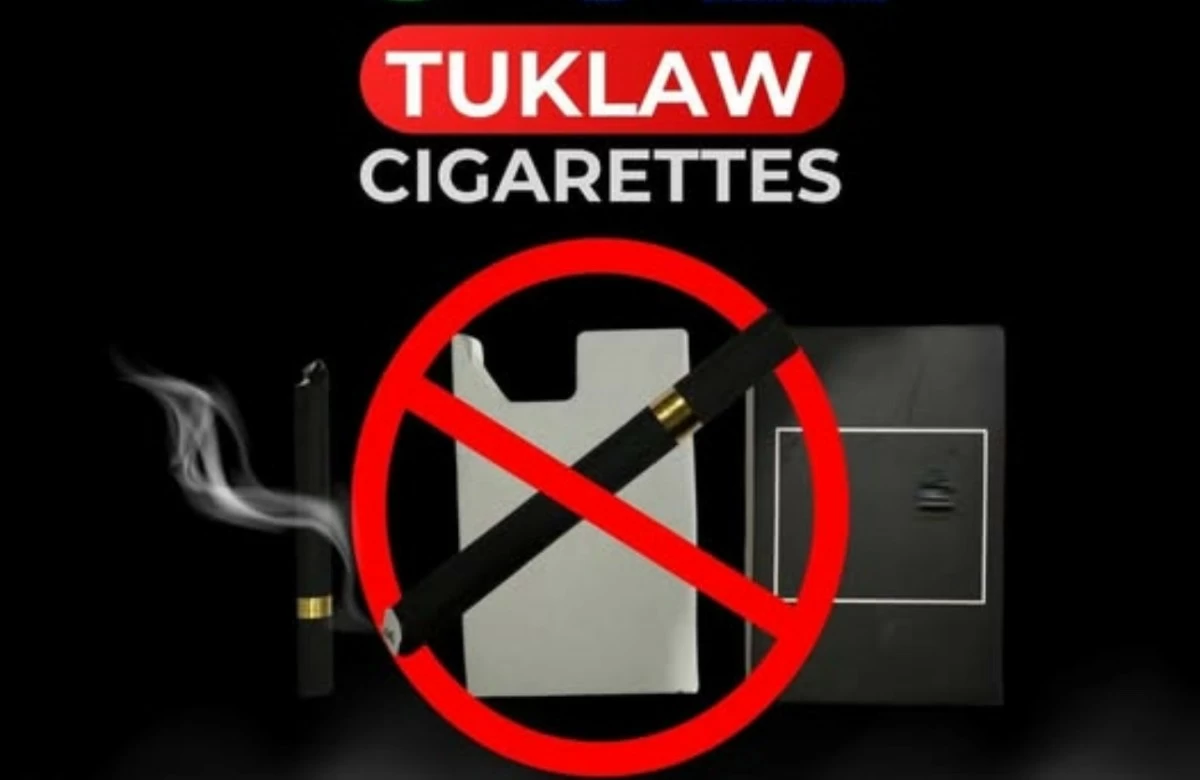
The Philippine Drug Enforcement Agency (PDEA) and the Dangerous Drugs Board (DDB) have expressed support to measures that will classify the synthetic cannabinoid, which is present in “tuklaw’’ cigarettes, as a dangerous drug.
From a regulatory control standpoint, both agencies intend to initiate the necessary process following the legal mechanisms provided under Republic Act 9165, or The Comprehensive Dangerous Drugs Act of 2002 and the DDB Regulation No. 1, Series of 2014 pertaining to the “Classification, Reclassification, Inclusion and Rescheduling of Dangerous Drugs, Controlled Precursors and Essential Chemicals.’’
The two agencies reiterated their call to the public against the use of “Thuoc Lao”, locally known as “tuklaw” cigarettes as it has proliferated on the streets.
PDEA Director General Isagani R. Nerez issued the warning in light of the agency’s laboratory findings on the cigarette indicating the presence of nicotine and synthetic cannabinoid designed to mimic the effects of marijuana but more potent and dangerous.
“When used, 'tuklaw' smokers may experience psychotic episodes and hallucinations.Thuoc Lao” is a tobacco plant grown in the mountains of Northern Vietnam,’’ Nerez warned.
Grabbing the public’s attention lately were the news reports showing several teenagers, after puffing “tuklaw” cigarettes, manifested seizure-like symptoms characterized by brief, shock-like body jerks and twitches.
The PDEA said that locally, “tuklaw’’ can either be smoked or chewed as part of their rituals, adding that “the traditional way of smoking the tobacco is using a pipe called a bamboo bong.’’
Warning of its ill effects, the PDEA said that the nicotine content of “Thuoc Lao” can reach as high as nine percent compared to the ordinary cigarettes which has an average of one to three percent only.
“These deadly cigarettes laced with synthetic cannabinoid are obviously smuggled goods and reportedly sold online,’’
PDEA said, warning the public not to patronize “tuklaw” because of the serious health risks involved.
Nerez also advised all parents to guide their children and of never even trying to use “tuklaw.’’
“Be also wary of individuals who practice shotgun smoking, or forcibly blowing “tuklaw” fumes into another person’s mouth who then inhales it,” he added.
After performing confirmatory tests using Gas Chromatograph-Mass Spectrometry (GC-MS) that determined the presence of synthetic cannabinoid in “tuklaw” cigarettes, the PDEA Laboratory Service also sought the assistance of international and domestic forensic laboratories to establish a definitive result.
The PDEA and the DDB assured that they adhere to evidence-based and multi-criteria assessment as an integral part of the process of “classifying, reclassifying, scheduling, or rescheduling substances under regulatory control.
Both agencies stated that the parameters like the documented seizure data, reports of diversion and abuse, international control status, and legitimate industrial, cultural, or pharmaceutical applications are thoroughly reviewed.
“These serve as critical benchmarks in determining whether a substance poses risks that warrant its regulation under existing drug control policies. This process ensures that appropriate safety nets and regulatory safeguards are put in place to mitigate health and social harms, especially in cases where there are observed gaps in the current regulatory framework for emerging substances like synthetic cannabinoids,’’ the PDEA added.
DDB chairman Oscar Valenzuela stated that both agencies will engage with concerned sectors, public health experts and relevant government agencies, including the Department of Health (DOH), National Bureau of Investigation (NBI) and the Food and Drug Administration (FDA), to ensure that any resulting policy measure is comprehensive, balanced, and implementable.
“The ultimate intention is to safeguard the welfare and interest of the general public against the threats and dangers of potentially addictive and harmful substances, such as synthetic cannabinoids,” Valenzuela concluded.