






 Philippines
National
Lacson discovers 'pass through' scheme in overpriced flood control, infra projects
Philippines
National
Lacson discovers 'pass through' scheme in overpriced flood control, infra projects
Lacson discovers 'pass through' scheme in overpriced flood control, infra projects


At A Glance
- The scheme, which he dubbed as "passing through," involves a contractor having to pay five to six percent of the project cost when building a project in a legislative district where the lawmaker is a contractor, or where the lawmakers' relatives are contractors.
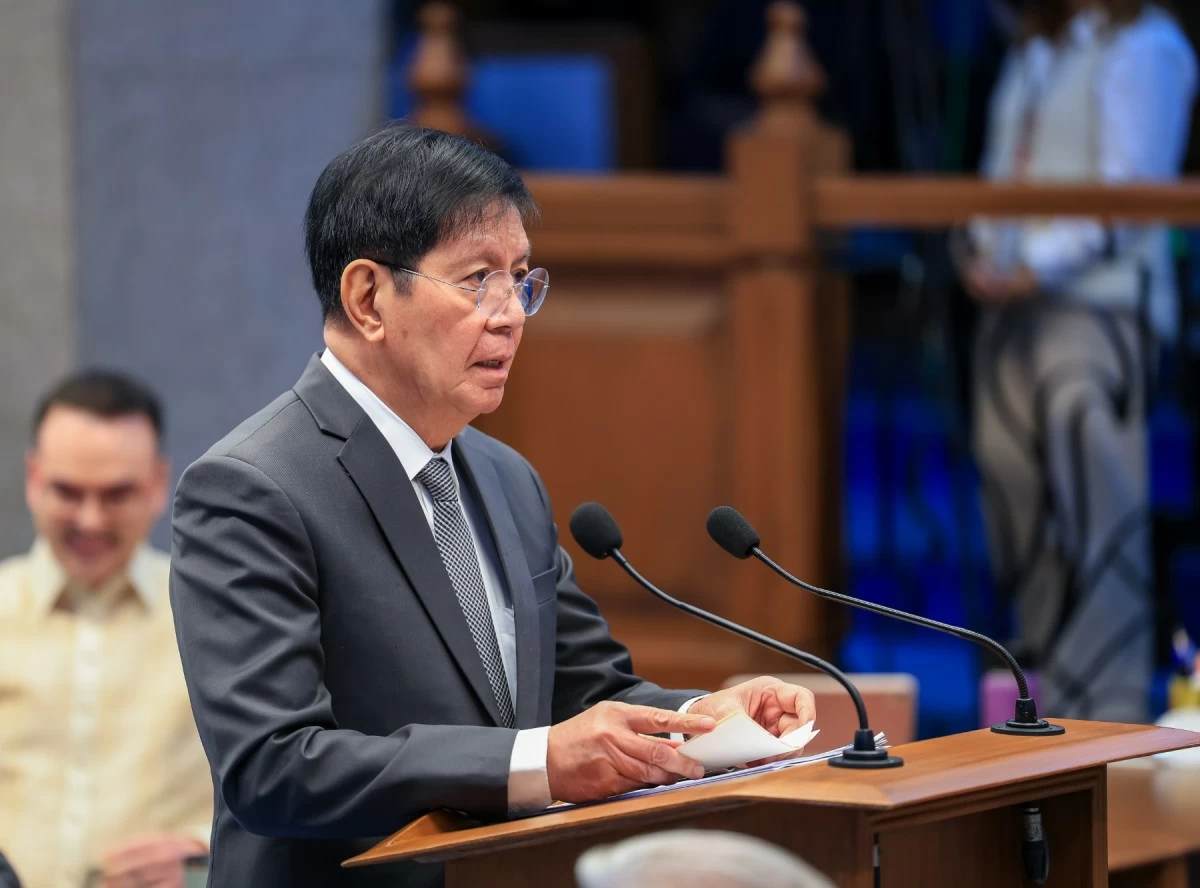
Sen. Panfilo "Ping" Lacson on Sunday, August 10 said he has discovered a modus operandi involving lawmaker-contractors that may add to the overpricing or substandard construction - or both - of flood control and other infrastructure projects in the country.
The scheme, which he dubbed as “passing through,” involves a contractor having to pay five to six percent of the project cost when building a project in a legislative district where the lawmaker is a contractor, or where the lawmakers' relatives are contractors.
Lacson, in an interview on Radio DZBB said the scheme is known particularly in the Department of Public Works and Highways (DPWH).
"For example, if a contractor builds a project in the district of a lawmaker who is a contractor or who has relatives that are contractors, he/she must pay a five-percent 'passing through' fee, like a toll,” Lacson said.
“That already deducts from the cost of the project. This is known in the DPWH," he said.
According to Lacson, the fee is usually five percent but it sometimes goes up to six percent.
“Based on the information we got from contractors, the project is compromised. How will the contractor be compensated if he/she does not use substandard materials or take shortcuts? The government is, thus, shortchanged,” he said.
When asked how much of the project cost actually goes to the project after the "passing through" fees have been settled, along with the taxes and commissions are paid, the lawmaker said, "it is sometimes less than 40 percent.”
As an example, Lacson cited the "shortcut" in the sectioning of a dike or flood control mitigation project, where the project specifications call for 150 meters, but the contractor completes only 50 meters.
In other cases, he said the contractor does not follow project specifications to drive sheet piles six meters into the ground, but would only drive them three meters into the ground.
“The dike will be easily damaged because the contractor scrimps on materials," Lacson said.
The senator also cited another case that involves not mixing gravel with sand, thus, weakening the foundation of a flood control project.
“If a cyclone hits and the river overflows, the structure is easily destroyed because the foundation is weak," he pointed out.
Lacson also noted that these fees force contractors to pare down their profit margins to 10 percent instead of 15 percent.
But what is worse is the cost to human lives when such projects fail: “People die during floods brought by cyclones. That is the worst part.”
Lacson said he is now curious to see the DPWH's list of flood control projects that it submitted to Malacanang - and curious as well to see if congressmen-contractors will be punished if evidence warrants.
“Will congressmen-contractors found liable be actually punished and face charges?" he asked.
Lacson also disclosed that some House members had called him after reports came out that he had a list of 67 congressmen who are contractors.
But he said he merely asked a friend at the opening of the 19th Congress on how many congressmen are contractors.
"They told me that not all their contracts are with government, and most are with private companies. I chuckled and said I don't have a list and I didn't know they or their relatives were contractors until they told me," he said.