







Marcos' India visit deepens strategic convergence
Published Aug 9, 2025 12:05 am
|
Updated Aug 8, 2025 05:56 pm


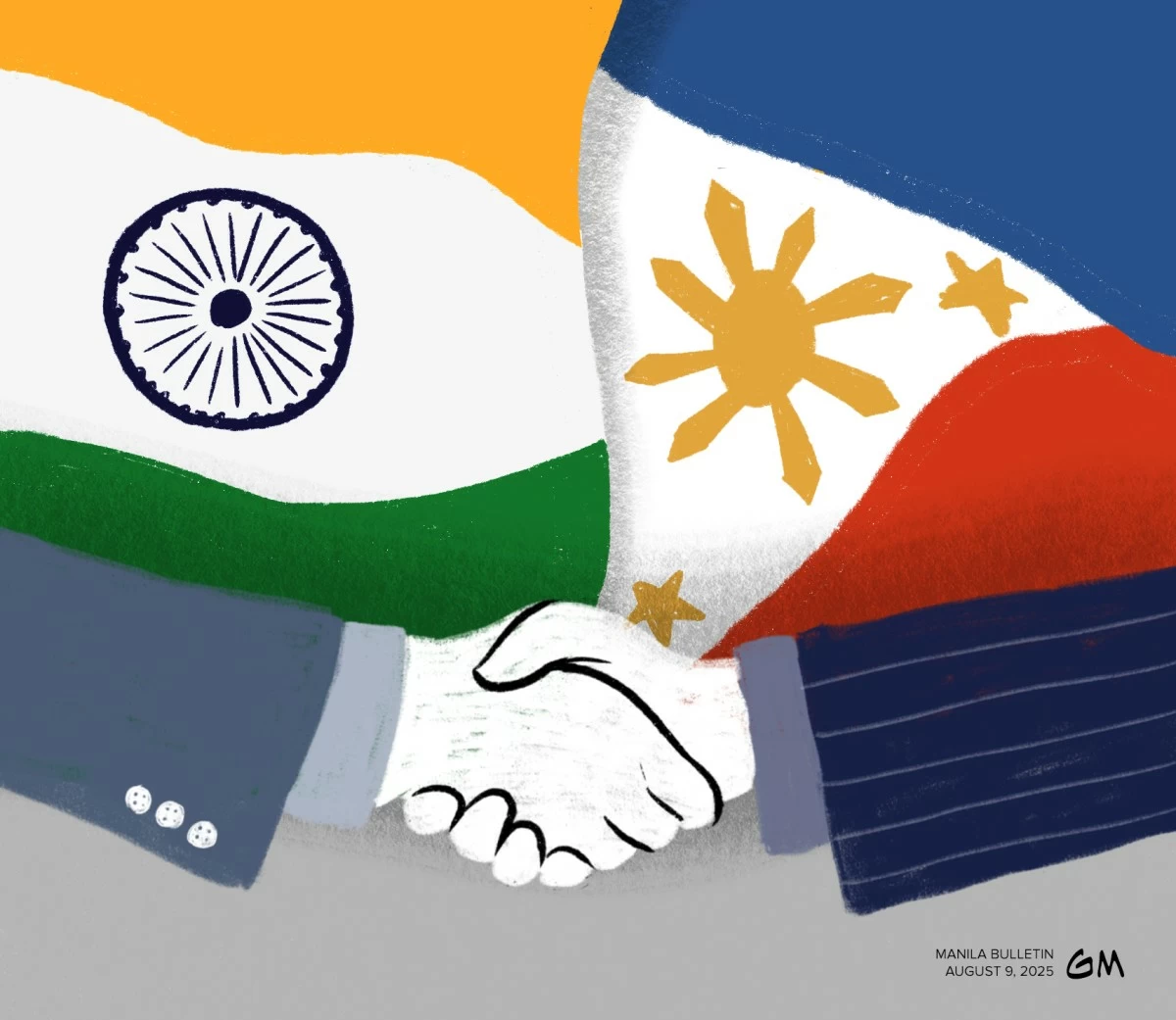
President Ferdinand R. Marcos Jr.’s official visit to India marks a significant milestone in Philippine foreign relations as it extends beyond traditional diplomacy and ventures boldly into a realm of strategic convergence shaped by trade, technology, and geopolitical alignment.
The visit—his first to South Asia as Chief Executive—signals a mutual recognition by both nations of the need to elevate their partnership amid shifting global dynamics. India, the world’s most populous nation and one of the fastest-growing economies, is an increasingly pivotal player in the Indo-Pacific. The Philippines, as a maritime and democratic anchor in Southeast Asia, is a natural partner in advancing regional stability, economic resilience, and strategic connectivity.
Trade and investment topped the agenda, with both governments agreeing to boost two-way commerce, which remains below potential despite the size and complementarity of their economies. Easing of business regulations has been prioritized. India’s capacity in pharmaceutical manufacturing and generic medicines, with an estimated 20 percent global market share, offers immense value to the Philippine healthcare sector. Lower-cost medicines and robust health supply chains are a timely pursuit, especially in light of recent pandemic experiences.
The Philippines is also keen to tap India’s global leadership in information technology and business process management (IT-BPM). Indian firms are among the most experienced in the field and could bring high-value employment opportunities to Philippine cities beyond Metro Manila. By fostering joint ventures and talent exchange, both nations can address digital transformation goals while generating inclusive growth.
Telecommunications and digital connectivity also emerged as priority areas. In an age where cyber resilience is tantamount to national security, India’s indigenous development of secure and scalable digital platforms can help bolster Philippine capacity. Initiatives to expand internet coverage and develop local solutions can benefit from India’s experience with large-scale government-backed digital systems.
Defense and security cooperation has also emerged at the forefront of bilateral relations. The Philippine Navy is looking to diversify its sources of equipment and technology. India, as a credible defense producer, has offered BrahMos supersonic cruise missiles and patrol vessels. Joint exercises, naval exchanges, and shared doctrines in maritime domain awareness and counterterrorism are becoming increasingly important, especially as tensions persist in the West Philippine Sea and Indian Ocean.
This new level of engagement positions both nations to be proactive contributors to peace and stability in the Indo-Pacific. As like-minded democracies committed to a rules-based international order, the Philippines and India are also forging common ground in global forums, such as the United Nations and the Quad Plus configurations.
President Marcos’ outreach to India reflects a pragmatic pivot, seeking to build resilient partnerships that are not merely reactive to great power competition. The focus is on participating in determined efforts to shape a multipolar, stable, and cooperative regional architecture. It complements the Philippines’ existing alliances while creating new avenues for economic and strategic autonomy.
In a world where the fault lines of conflict and cooperation are constantly being redrawn, the Philippines and India are taking meaningful steps to ensure their place in the emerging order. The momentum built by this visit must now translate into concrete outcomes in terms of sealed agreements, enacted policies, and sustained collaborations, so that the vision of a robust, enduring Philippines-India partnership is enhanced significantly.