






Manila Bulletin
 Philippines
National
DepEd launches School Sports Clubs to boost health and activity for Filipino students
Philippines
National
DepEd launches School Sports Clubs to boost health and activity for Filipino students
Philippines
National
DepEd launches School Sports Clubs to boost health and activity for Filipino students
DepEd launches School Sports Clubs to boost health and activity for Filipino students
School Sports Clubs aim to promote health, fitness, and holistic development among Filipino students while helping combat learning loss
Published Aug 9, 2025 03:30 pm


At A Glance
- DepEd has institutionalized School Sports Clubs in all public schools to enhance learner development, physical fitness, and pandemic learning recovery
- The inclusive program adds two to three hours of weekly sports, makes arnis mandatory, promotes unified sports, and welcomes all learners, including those in ALS
- DepEd also links physical activity to improved focus, academic performance, and values such as discipline, teamwork, and resilience
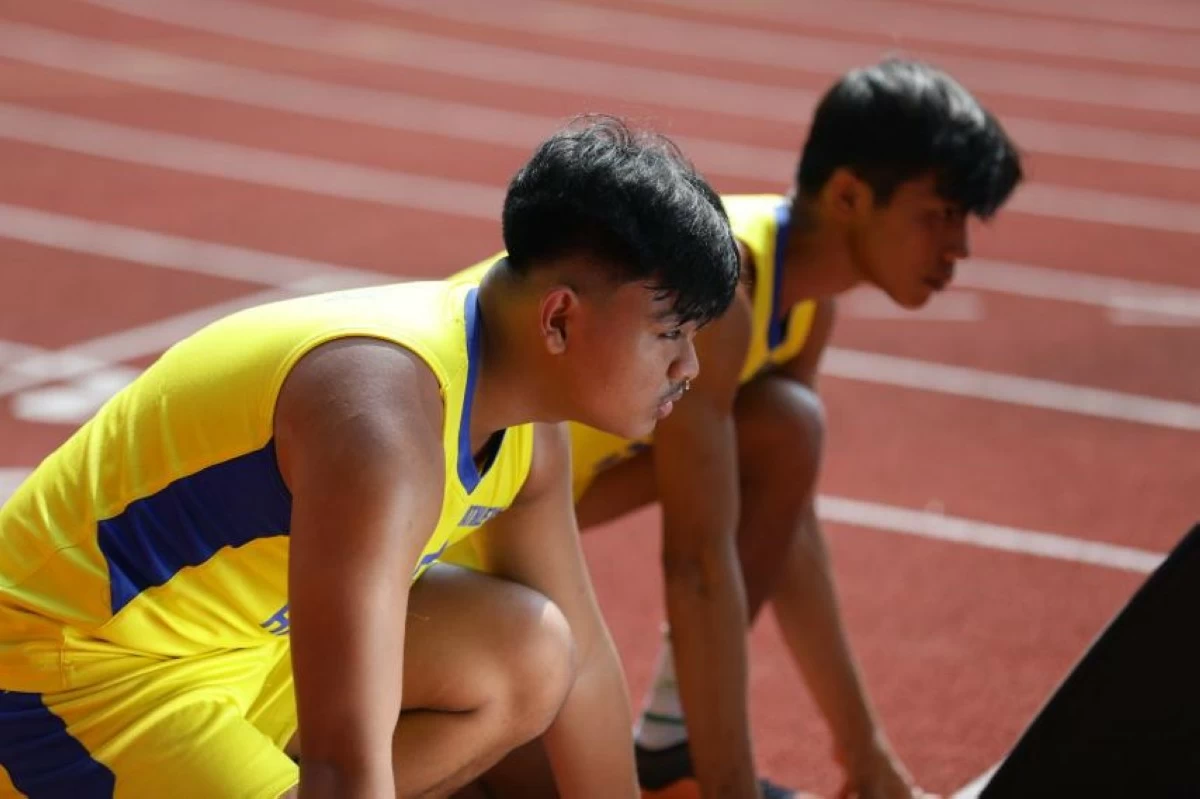
DepEd institutionalizes School Sports Clubs in all public schools to boost student health, fitness, and academic recovery, in line with President Marcos’ vision. (DepEd file photo)
To promote holistic learner development, enhance physical fitness, and help reverse pandemic-driven learning loss, the Department of Education (DepEd) has ordered the institutionalization of School Sports Clubs (SSCs) in all public elementary and secondary schools nationwide.
In a statement issued on Saturday, August 9, DepEd said the initiative aligns with President Ferdinand Marcos Jr.’s call for healthier and more active Filipinos.
“Kapag mas malusog ang katawan, mas malinaw ang isipan (When the body is healthier, the mind becomes clearer),” said Education Secretary Sonny Angara.
Angara explained that the move is part of DepEd’s broader agenda to connect health with academic recovery, noting that active students are better equipped to learn and catch up on lessons they missed during the pandemic.
“Kapag mas aktibo ang mga bata, mas handa silang matuto at humabol sa anumang naiwang kaalaman noong pandemya (When children are more active, they’re better prepared to learn and catch up on the knowledge they may have missed during the pandemic),” he added, emphasizing that sports instill discipline, teamwork, and resilience in students.
Addressing inactivity among Filipino youth
According to DepEd, many Filipino children and adolescents fail to meet the World Health Organization’s (WHO) recommendation of at least 60 minutes of moderate to vigorous physical activity daily.
Long hours of sedentary classroom time—worsened by remote learning during the pandemic—have negatively affected both the physical health and academic performance of students.
“Sa bawat oras na ginugugol nila sa laro at ensayo, pinapalakas din natin ang kanilang konsentrasyon, memorya, at kakayahang magtagumpay sa klase (With every hour they spend playing and training, we’re also strengthening their focus, memory, and ability to succeed in the classroom),” Angara said, stressing that investing in school sports is investing in academic performance.
Key features of the School Sports Clubs program
In DepEd Order No. 22, s. 2025, or the Policy Guidelines on the Institutionalization of the School Sports Club in Public Schools, DepEd stated that the SSC serves as an “extension of formal learning and a supplement to classroom lessons by providing fun and engaging sporting activities that align with students’ abilities, interests, competencies, and advocacies.”
DepEd added that the SSC also “recognizes the diverse capabilities of all learners and harnesses the transformative power of sports to empower individuals and contribute positively to society.”
Under the new policy, DepEd said SSCs will:
- Complement the Physical Education curriculum with two to three hours of supervised sports activities weekly.
- Make arnis a mandatory sport while offering other sports depending on student interest, available facilities, and resources.
- Encourage unified sports, where learners with and without disabilities play together, promoting inclusivity and reducing bullying.
DepEd said membership will be voluntary and inclusive, with accommodations for learners with disabilities and those in the Alternative Learning System (ALS).
Existing sports clubs must align with the new guidelines, while schools without them are required to establish SSCs, DepEd added.
Funding may come from DepEd’s annual budget, the Special Education Fund (SEF), school operating expenses, and partnerships with local government units, private organizations, and other stakeholders.
Angara also emphasized that assigning legal and procurement personnel is vital to ensuring transparency, accountability, and efficient service delivery.
Linking sports to academic recovery
Angara reiterated that sports go beyond recreation—they are essential to developing discipline, teamwork, and resilience in students.
“Hindi lang ito tungkol sa paglalaro (This isn’t just about play),” Angara said. “Ito ay tungkol sa disiplina, teamwork, at tibay ng loob—mga katangiang dapat bitbitin ng mag-aaral hanggang sa tunay na buhay (It’s about discipline, teamwork, and inner strength—qualities every student should carry with them into real life).”
He added that the program supports DepEd’s long-term strategy to link health, academic recovery, and youth development—helping realize President Marcos’ vision of a healthier, stronger, and more competitive Filipino generation.