






Manila Bulletin
 Philippines
National
Teens at risk: Experts warn Filipino adolescents are being overlooked in healthcare
Philippines
National
Teens at risk: Experts warn Filipino adolescents are being overlooked in healthcare
Philippines
National
Teens at risk: Experts warn Filipino adolescents are being overlooked in healthcare
Teens at risk: Experts warn Filipino adolescents are being overlooked in healthcare
By Jel Santos
Published Aug 8, 2025 11:02 am
|
Updated Aug 8, 2025 01:23 pm



(MB FILE PHOTO)
Filipino adolescents are being overlooked in the country’s healthcare system, two leading pediatricians warned, as they urged government and health professionals to refocus efforts on this large and underserved group.
“Now, despite their huge numbers, basically the doctor is out for adolescents in terms of not only services but programs, data gathering, and even research,” Dr. Emma Llanto of the Philippine General Hospital (PGH) said during a media forum titled “Uniting Voices for Adolescent Health” in Quezon City, on Thursday, August 7.
According to her, adolescents often go unnoticed in the healthcare system simply because they appear healthy.
“Adolescents rarely get any kind of healthcare because they look like they’re healthy,” she added.
Dr. Vanessa Maria Torres-Ticson, the president of the Philippine Society for Adolescent Medicine Specialists, pointed out that many teens are missing essential vaccines that could protect them from disease.
“There are 1.2 billion adolescents who live mostly in low- to middle-income countries like the Philippines,” she said.
“Adolescents age 10 to 19 years old make up as high as 22 percent of our Philippine population.”
Torres-Ticson noted that adolescents, despite representing a large share of the population, are still largely overlooked in healthcare services, especially in immunization efforts.
“They remain a vulnerable group when it comes to infections.”
Barriers to care
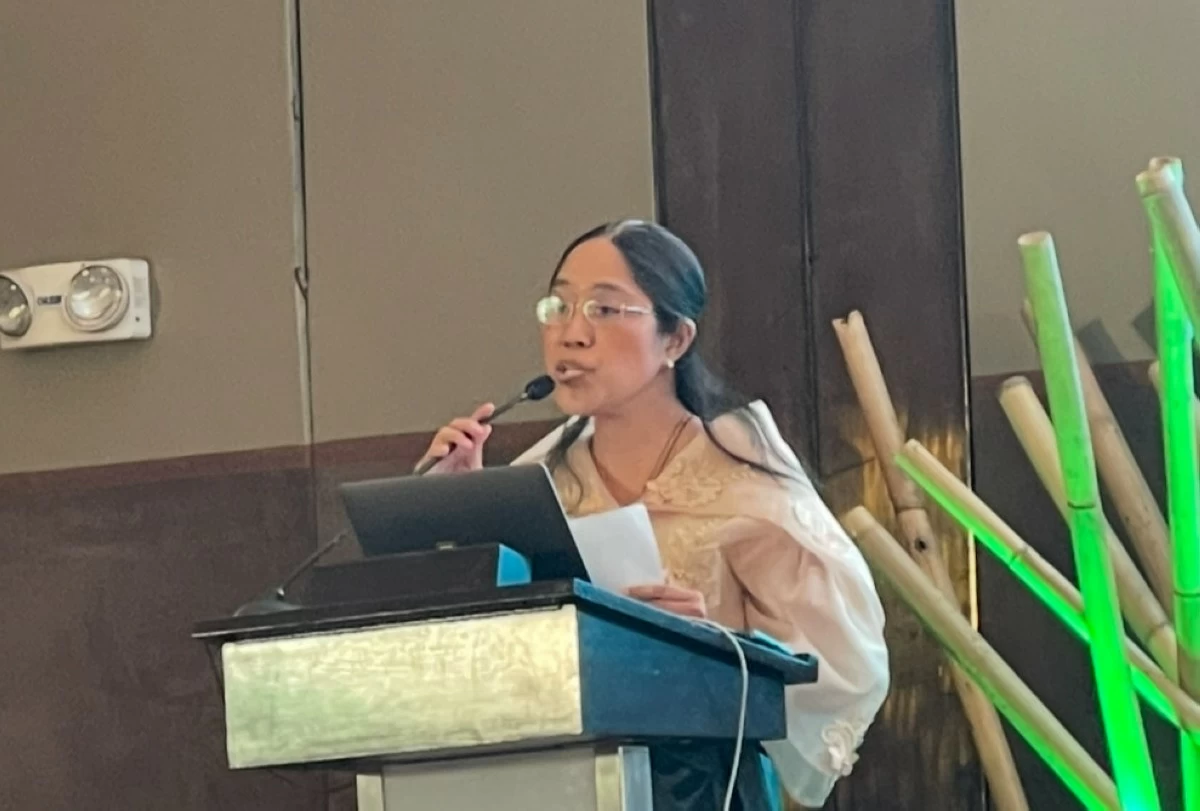
Dr. Vanessa Maria Torres-Ticson (JEL SANTO/MB PHOTO)
Torres-Ticson outlined several reasons why teens are being left behind.
“First, because of their missed childhood vaccinations, or they may not have received booster doses,” she said.
“Second, immunity from childhood vaccines like the DTP (Diphtheria, Tetanus, Pertussis) actually wanes or lowers during adolescence.”
She added that teens are also more likely to engage in risk-taking behaviors, such as unprotected sex or substance use, making them “very vulnerable to STIs like HPV and HIV infections.”
Torres-Ticson acknowledged that there are day-to-day obstacles within the system that make it harder to reach adolescents.
“Unlike children who have scheduled primary care visits, our teens lack primary care visits during which vaccinations would be given,” she stated.
“Parents may not be aware that teens need vaccinations too, and not only the little children,” she said.
As such, she said some healthcare providers may not be up to date on adolescent vaccines, which affects their confidence in recommending them.
Torres-Ticson underscored the importance of routine wellness conversations during teen checkups, not just for physical health, but also for discussing risk behaviors, mental health, and overall development.
“Every consultation is an opportunity to listen, educate, and protect,” she said.
Working together matters
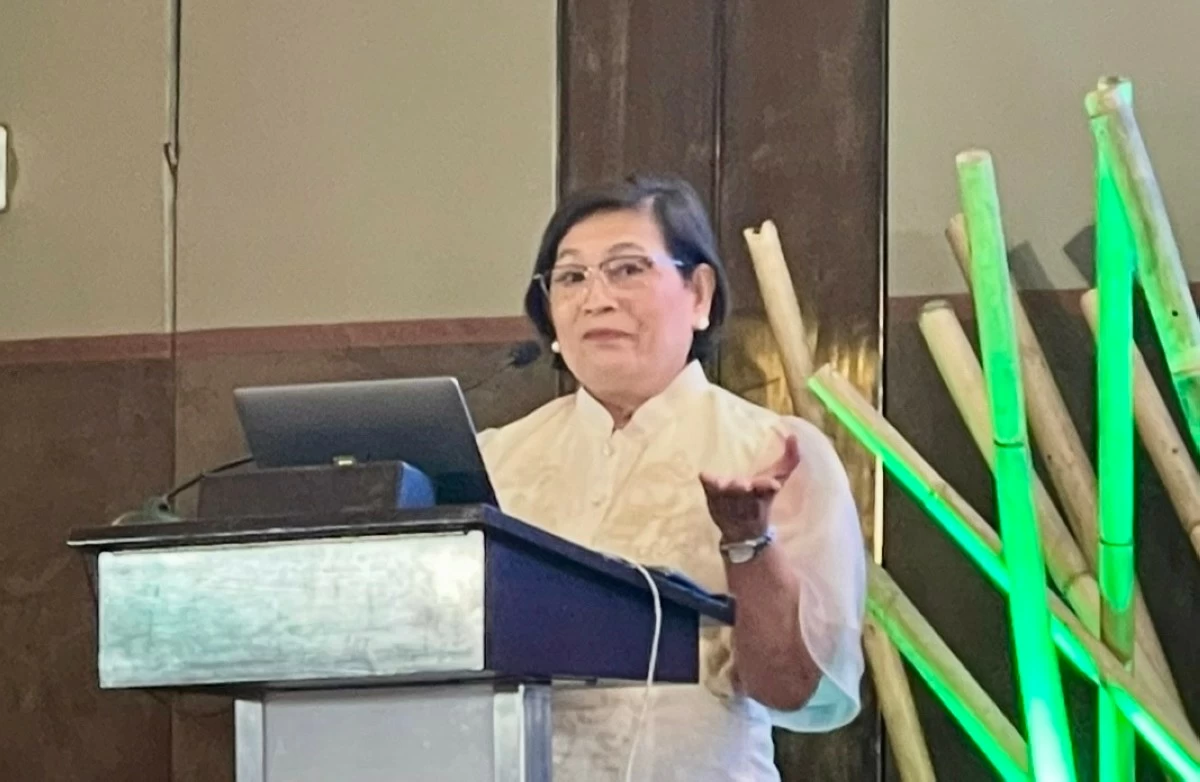
Dr. Emma Llanto (JEL SANTOS/MB PHOTO)
Llanto emphasized the critical role of community support, saying adolescents thrive when adults communicate and coordinate.
“We need to bring health discussions into homes and classrooms,” she said.
“When parents, teachers, and doctors work together, teens are more likely to receive the right guidance and care at the right time.”
She added that this collaboration is essential to reaching teens who may otherwise fall through the cracks.
From burden to asset
Llanto stressed that adolescents must not be treated as a burden but as a valuable resource.
“First, adolescents are our future,” she said.
“So 40 percent of our population, already 114 million, are made up of children and adolescents.”
She explained that investments in their health and education have far-reaching benefits.
“It means that these adolescents will grow up to be our leaders, our workers, our professionals, and will spur and drive economic growth and development of our countries.”
A second chance
According to Llanto, adolescence is a “second window of opportunity” to prevent disease and promote lifelong health.
“That’s physical inactivity, alcohol abuse, unhealthy diet, and during adolescence, alcohol use and tobacco use,” she said. “These risk factors are definitely modifiable, and we as parents and doctors can modify it.”
She also pointed out the funding mismatch. “Globally we have almost 25 percent of the population but we have only 2.4 percent of the funding for their health.”
Both experts emphasized that investing in adolescent care makes sense not just morally, but financially.
“Investing in adolescents will have triple benefits. Healthy adolescents now, healthy adults in the future, who will carry healthy future generations,” said Llanto.
What families, doctors can do
Llanto urged collaboration between parents, doctors, and schools to improve immunization coverage, stressing that pediatricians should not only promote vaccines in schools but also follow up with their adolescent patients through clinic reminders.
“And please welcome them, include them in your practice… this is one way of really putting our adolescents in the forefront,” she said.
“It’s about time that we focus our attention on our teens who will actually determine the future of our nation,” Torres-Ticson added.