ADVERTISEMENT

Meralco justifies power rates, pushes back on comparison to electric coops

Published Aug 8, 2025 12:53 pm  |  Updated Aug 8, 2025 01:17 pm
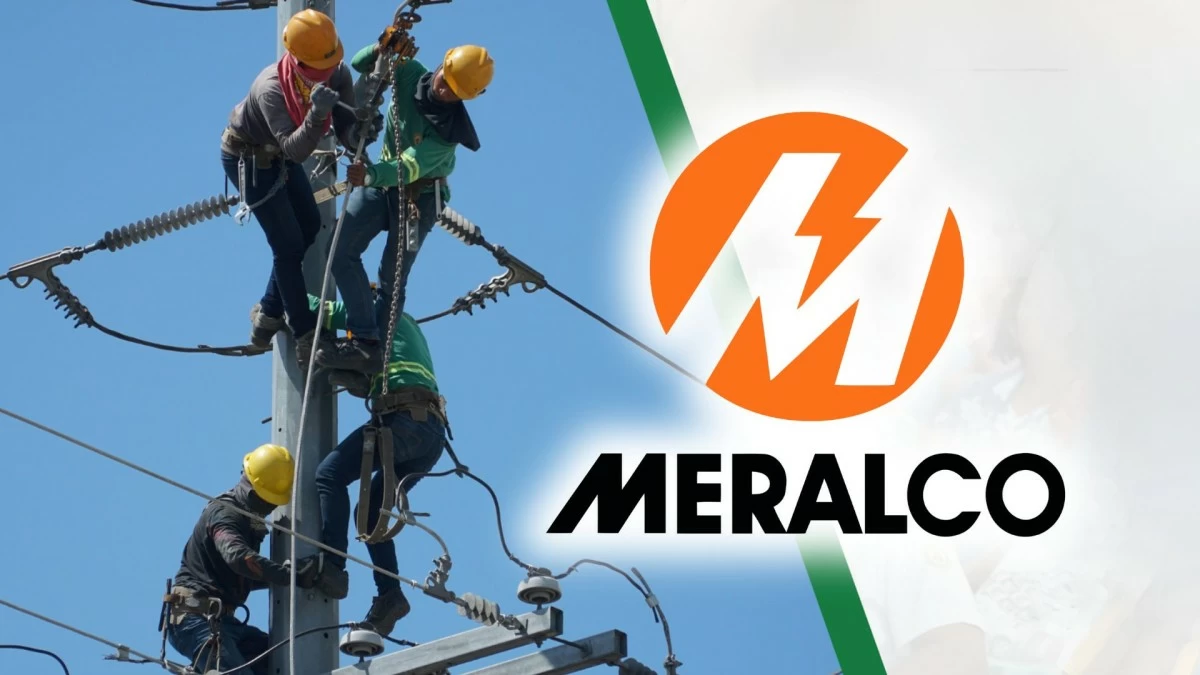
Following recent comparisons by a rural power group and the National Electrification Administration (NEA), the Manila Electric Co. (Meralco) has defended its electricity rates, stating the utility aims to balance affordability with long-term power reliability.
In a statement on Friday, Aug. 8, the country’s largest distribution utility (DU) emphasized that its rates reflect regulatory compliance, cost efficiency, and the need to procure enough power to meet demand.
Meralco noted that its distribution rate has been unchanged for 10 years and is one of the lowest among all distributors in the country, including electric cooperatives (ECs).
“Among all distributors, Meralco’s rate falls in the bottom 30 percent,” the company said. It also cited that its latest approved Weighted Average Cost of Capital (WACC) is the lowest granted by the Energy Regulatory Commission (ERC) for any private DU.
The company also explained the difference in its generation costs, stating it sources power from a mix of gas, coal, and renewable energy plants. In contrast, ECs primarily rely on cheaper coal plants for most of their supply.
“Meralco buys about 50 percent of its power requirements from gas-fired power plants to augment its power supply because there are not enough coal-fired plants... that can fully cover Meralco’s growing demand,” the company explained.
It added that sourcing from gas-fired plants also supports the government's efforts to ensure grid security and helps reduce the risk of red or yellow alerts.
Meralco argued that matching its rates with those of 90 electric cooperatives would undermine current energy policies.
It stressed that such a move would challenge the recently enacted Natural Gas Law and the Department of Energy’s (DOE) 2023 Power Development Plan, which aims to more than triple gas-fired power plant capacity to support the country's transition to 50 percent renewable energy.
Furthermore, Meralco pointed out that the NEA has yet to conduct the Competitive Selection Process (CSP) required to facilitate power supply contracts for ECs using indigenous natural gas.
In an interview, Ronnie Aperocho, Meralco executive vice president and chief operating officer, said the company is verifying the data but is committed to providing reliable power to its eight million customers.
“At the end of the day, there might be some areas that have lower rates than Meralco, but the question is: are their [power] supplies continuous?” he said. “At the end of the day, it’s a combination of price and reliability.”

Related Tags

Manila Electric Co. (Meralco) electric cooperative (EC)
ADVERTISEMENT
.most-popular .layout-ratio{ padding-bottom: 79.13%; } @media (min-width: 768px) and (max-width: 1024px) { .widget-title { font-size: 15px !important; } }

{{ articles_filter_1561_widget.title }}

.most-popular .layout-ratio{ padding-bottom: 79.13%; } @media (min-width: 768px) and (max-width: 1024px) { .widget-title { font-size: 15px !important; } }

{{ articles_filter_1562_widget.title }}

.most-popular .layout-ratio{ padding-bottom: 79.13%; } @media (min-width: 768px) and (max-width: 1024px) { .widget-title { font-size: 15px !important; } }

{{ articles_filter_1563_widget.title }}

{{ articles_filter_1564_widget.title }}

.mb-article-details { position: relative; } .mb-article-details .article-body-preview, .mb-article-details .article-body-summary{ font-size: 17px; line-height: 30px; font-family: "Libre Caslon Text", serif; color: #000; } .mb-article-details .article-body-preview iframe , .mb-article-details .article-body-summary iframe{ width: 100%; margin: auto; } .read-more-background { background: linear-gradient(180deg, color(display-p3 1.000 1.000 1.000 / 0) 13.75%, color(display-p3 1.000 1.000 1.000 / 0.8) 30.79%, color(display-p3 1.000 1.000 1.000) 72.5%); position: absolute; height: 200px; width: 100%; bottom: 0; display: flex; justify-content: center; align-items: center; padding: 0; } .read-more-background a{ color: #000; } .read-more-btn { padding: 17px 45px; font-family: Inter; font-weight: 700; font-size: 18px; line-height: 16px; text-align: center; vertical-align: middle; border: 1px solid black; background-color: white; } .hidden { display: none; }
function initializeAllSwipers() { // Get all hidden inputs with cms_article_id document.querySelectorAll('[id^="cms_article_id_"]').forEach(function (input) { const cmsArticleId = input.value; const articleSelector = '#article-' + cmsArticleId + ' .body_images'; const swiperElement = document.querySelector(articleSelector); if (swiperElement && !swiperElement.classList.contains('swiper-initialized')) { new Swiper(articleSelector, { loop: true, pagination: false, navigation: { nextEl: '#article-' + cmsArticleId + ' .swiper-button-next', prevEl: '#article-' + cmsArticleId + ' .swiper-button-prev', }, }); } }); } setTimeout(initializeAllSwipers, 3000); const intersectionObserver = new IntersectionObserver( (entries) => { entries.forEach((entry) => { if (entry.isIntersecting) { const newUrl = entry.target.getAttribute("data-url"); if (newUrl) { history.pushState(null, null, newUrl); let article = entry.target; // Extract metadata const author = article.querySelector('.author-section').textContent.replace('By', '').trim(); const section = article.querySelector('.section-info ').textContent.replace(' ', ' '); const title = article.querySelector('.article-title h1').textContent; // Parse URL for Chartbeat path format const parsedUrl = new URL(newUrl, window.location.origin); const cleanUrl = parsedUrl.host + parsedUrl.pathname; // Update Chartbeat configuration if (typeof window._sf_async_config !== 'undefined') { window._sf_async_config.path = cleanUrl; window._sf_async_config.sections = section; window._sf_async_config.authors = author; } // Track virtual page view with Chartbeat if (typeof pSUPERFLY !== 'undefined' && typeof pSUPERFLY.virtualPage === 'function') { try { pSUPERFLY.virtualPage({ path: cleanUrl, title: title, sections: section, authors: author }); } catch (error) { console.error('ping error', error); } } // Optional: Update document title if (title && title !== document.title) { document.title = title; } } } }); }, { threshold: 0.1 } ); function showArticleBody(button) { const article = button.closest("article"); const summary = article.querySelector(".article-body-summary"); const body = article.querySelector(".article-body-preview"); const readMoreSection = article.querySelector(".read-more-background"); // Hide summary and read-more section summary.style.display = "none"; readMoreSection.style.display = "none"; // Show the full article body body.classList.remove("hidden"); } document.addEventListener("DOMContentLoaded", () => { let loadCount = 0; // Track how many times articles are loaded const offset = [1, 2, 3, 4, 5, 6, 7, 8, 9, 10]; // Offset values const currentUrl = window.location.pathname.substring(1); let isLoading = false; // Prevent multiple calls if (!currentUrl) { console.log("Current URL is invalid."); return; } const sentinel = document.getElementById("load-more-sentinel"); if (!sentinel) { console.log("Sentinel element not found."); return; } function isSentinelVisible() { const rect = sentinel.getBoundingClientRect(); return ( rect.top < window.innerHeight && rect.bottom >= 0 ); } function onScroll() { if (isLoading) return; if (isSentinelVisible()) { if (loadCount >= offset.length) { console.log("Maximum load attempts reached."); window.removeEventListener("scroll", onScroll); return; } isLoading = true; const currentOffset = offset[loadCount]; window.loadMoreItems().then(() => { let article = document.querySelector('#widget_1690 > div:nth-last-of-type(2) article'); intersectionObserver.observe(article) loadCount++; }).catch(error => { console.error("Error loading more items:", error); }).finally(() => { isLoading = false; }); } } window.addEventListener("scroll", onScroll); });

Sign up by email to receive news.