ADVERTISEMENT

How Gen Z and millennials cope with love and loss in Puregold Channel's 'Si Sol at si Luna'

Published Aug 8, 2025 02:08 pm  |  Updated Aug 10, 2025 03:54 pm
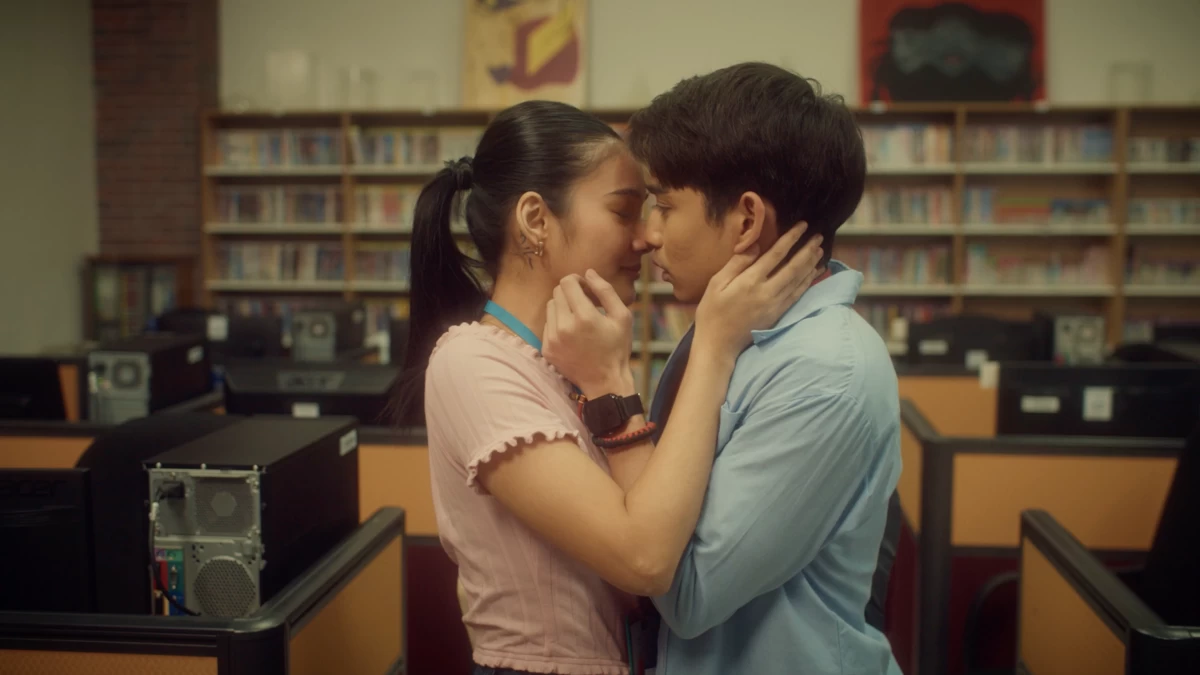
Sol (Zaiian Jaranilla) shares a kiss with Ara (Karina Bautista) in the next episode of 'Si Sol at si Luna'
In “The Eclipse,” Episode 10 of Puregold Channel’s hit digital series Si Sol at si Luna, the show delivered one of its most vulnerable moments yet, as Sol (Zaijian Jaranilla) and Luna (Jane Oineza) confronted their feelings against the cosmic backdrop of a lunar eclipse. Indeed, the rare celestial event was truly symbolic of the doubts and uncertainties that plague two people who come from different perspectives in life.
As viewers continue to immerse in Sol and Luna’s love story, they come to realize that the narrative offers sporadic glimpses of life lessons, mostly bittersweet, such as love and loss and the pain of separation and breakups. These resonate with the youth of different generations, Millennials and Generation Z, in particular, mainly because Si Sol at si Luna’s lead characters Sol and Luna project contrasting responses to relationship issues. In the process, the digital series depicts how these age groups deal with heartbreak and healing.
How millennials cope: Luna’s quiet endurance
For instance, Luna embodies the millennial way of navigating grief. She bears the pain of losing Andy, the man who once asked her to marry him and represented a future she had fully envisioned. His death not only broke her heart but also shattered the life she had imagined for herself.
In the initial episodes, Luna was visibly sad, bitter, and angry. However, she carried on with life and focused on work—a coping mechanism that millennials are familiar with.
Even when feelings of grief occasionally slipped through the cracks, Luna had empathy from fellow millennial and team leader Ben (Joao Constancia), creating a space for her to function as she struggled with her pain.
Venting her feelings of loss in aid of Sol’s project turned out to be therapeutic, allowing her to process the grief she had tried to compartmentalize. Thus, in the more recent episodes, we saw her opening up more to people—and life.
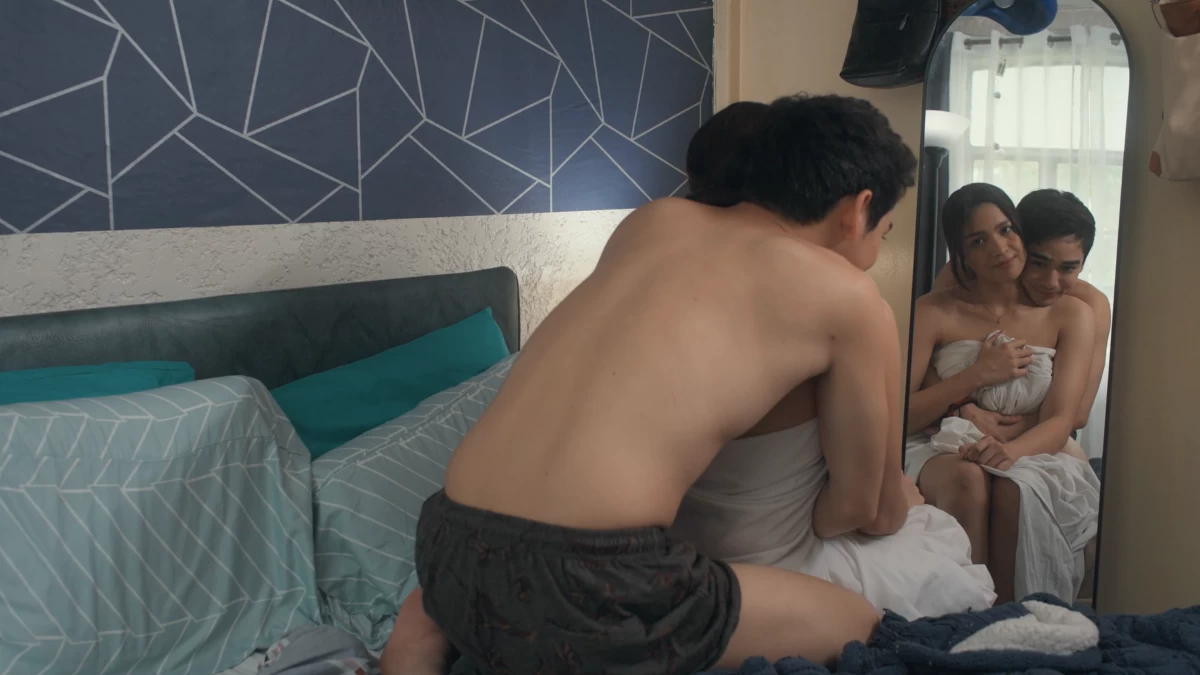
A scene from 'Si Sol at si Luna'
When it comes to love, Luna, as a millennial, draws firm boundaries. She gently tells Sol she cannot offer more than friendship, reflecting a generational instinct to protect what little stability remains while finding ways to move forward.
Gen Z coping: Sol’s emotional openness
On the other hand, Sol represents the quintessential Gen Z perspective—hopeful, idealistic, and unafraid to wear his heart on his sleeve. He begins the series wanting to create a project that defines love in its purest form, believes in happy endings, and is untouched by skepticism.
Known for seeking passion and purpose, Gen Z obstinately goes for what they love—and Sol manifests this trait. He pursues Luna despite uncertainties, and his coping style is rooted in vulnerability.
As episodes of Si Sol at si Luna come into play, we see Sol dealing with problems spontaneously, sharing his feelings freely, and leaning on friends like Claudine (Uzziel Delamide) and Ray (Lyle Viray), even when he ultimately follows his heart. Unlike Luna, Sol is willing to risk everything for a situationship, declaring that he expects nothing in return, a contrast to Luna’s guardedness.
As more followers continue to invest their emotions in the show, Si Sol at si Luna will delve into other critical but relevant issues, including a domestic crisis that will trigger more of Gen Z’s coping mechanisms.
Catch Episode 11 of Si Sol at si Luna, “Relationship Status”, on Saturday, Aug. 9, and witness how two generations grapple with life’s most challenging moments.
ADVERTISEMENT
.most-popular .layout-ratio{ padding-bottom: 79.13%; } @media (min-width: 768px) and (max-width: 1024px) { .widget-title { font-size: 15px !important; } }

{{ articles_filter_1561_widget.title }}

.most-popular .layout-ratio{ padding-bottom: 79.13%; } @media (min-width: 768px) and (max-width: 1024px) { .widget-title { font-size: 15px !important; } }

{{ articles_filter_1562_widget.title }}

.most-popular .layout-ratio{ padding-bottom: 79.13%; } @media (min-width: 768px) and (max-width: 1024px) { .widget-title { font-size: 15px !important; } }

{{ articles_filter_1563_widget.title }}

{{ articles_filter_1564_widget.title }}

.mb-article-details { position: relative; } .mb-article-details .article-body-preview, .mb-article-details .article-body-summary{ font-size: 17px; line-height: 30px; font-family: "Libre Caslon Text", serif; color: #000; } .mb-article-details .article-body-preview iframe , .mb-article-details .article-body-summary iframe{ width: 100%; margin: auto; } .read-more-background { background: linear-gradient(180deg, color(display-p3 1.000 1.000 1.000 / 0) 13.75%, color(display-p3 1.000 1.000 1.000 / 0.8) 30.79%, color(display-p3 1.000 1.000 1.000) 72.5%); position: absolute; height: 200px; width: 100%; bottom: 0; display: flex; justify-content: center; align-items: center; padding: 0; } .read-more-background a{ color: #000; } .read-more-btn { padding: 17px 45px; font-family: Inter; font-weight: 700; font-size: 18px; line-height: 16px; text-align: center; vertical-align: middle; border: 1px solid black; background-color: white; } .hidden { display: none; }
function initializeAllSwipers() { // Get all hidden inputs with cms_article_id document.querySelectorAll('[id^="cms_article_id_"]').forEach(function (input) { const cmsArticleId = input.value; const articleSelector = '#article-' + cmsArticleId + ' .body_images'; const swiperElement = document.querySelector(articleSelector); if (swiperElement && !swiperElement.classList.contains('swiper-initialized')) { new Swiper(articleSelector, { loop: true, pagination: false, navigation: { nextEl: '#article-' + cmsArticleId + ' .swiper-button-next', prevEl: '#article-' + cmsArticleId + ' .swiper-button-prev', }, }); } }); } setTimeout(initializeAllSwipers, 3000); const intersectionObserver = new IntersectionObserver( (entries) => { entries.forEach((entry) => { if (entry.isIntersecting) { const newUrl = entry.target.getAttribute("data-url"); if (newUrl) { history.pushState(null, null, newUrl); let article = entry.target; // Extract metadata const author = article.querySelector('.author-section').textContent.replace('By', '').trim(); const section = article.querySelector('.section-info ').textContent.replace(' ', ' '); const title = article.querySelector('.article-title h1').textContent; // Parse URL for Chartbeat path format const parsedUrl = new URL(newUrl, window.location.origin); const cleanUrl = parsedUrl.host + parsedUrl.pathname; // Update Chartbeat configuration if (typeof window._sf_async_config !== 'undefined') { window._sf_async_config.path = cleanUrl; window._sf_async_config.sections = section; window._sf_async_config.authors = author; } // Track virtual page view with Chartbeat if (typeof pSUPERFLY !== 'undefined' && typeof pSUPERFLY.virtualPage === 'function') { try { pSUPERFLY.virtualPage({ path: cleanUrl, title: title, sections: section, authors: author }); } catch (error) { console.error('ping error', error); } } // Optional: Update document title if (title && title !== document.title) { document.title = title; } } } }); }, { threshold: 0.1 } ); function showArticleBody(button) { const article = button.closest("article"); const summary = article.querySelector(".article-body-summary"); const body = article.querySelector(".article-body-preview"); const readMoreSection = article.querySelector(".read-more-background"); // Hide summary and read-more section summary.style.display = "none"; readMoreSection.style.display = "none"; // Show the full article body body.classList.remove("hidden"); } document.addEventListener("DOMContentLoaded", () => { let loadCount = 0; // Track how many times articles are loaded const offset = [1, 2, 3, 4, 5, 6, 7, 8, 9, 10]; // Offset values const currentUrl = window.location.pathname.substring(1); let isLoading = false; // Prevent multiple calls if (!currentUrl) { console.log("Current URL is invalid."); return; } const sentinel = document.getElementById("load-more-sentinel"); if (!sentinel) { console.log("Sentinel element not found."); return; } function isSentinelVisible() { const rect = sentinel.getBoundingClientRect(); return ( rect.top < window.innerHeight && rect.bottom >= 0 ); } function onScroll() { if (isLoading) return; if (isSentinelVisible()) { if (loadCount >= offset.length) { console.log("Maximum load attempts reached."); window.removeEventListener("scroll", onScroll); return; } isLoading = true; const currentOffset = offset[loadCount]; window.loadMoreItems().then(() => { let article = document.querySelector('#widget_1690 > div:nth-last-of-type(2) article'); intersectionObserver.observe(article) loadCount++; }).catch(error => { console.error("Error loading more items:", error); }).finally(() => { isLoading = false; }); } } window.addEventListener("scroll", onScroll); });

Sign up by email to receive news.