






Manila Bulletin
 Philippines
National
PPA: Consistent annual revenue growth strengthens push for PH ports full modernization
Philippines
National
PPA: Consistent annual revenue growth strengthens push for PH ports full modernization
Philippines
National
PPA: Consistent annual revenue growth strengthens push for PH ports full modernization
PPA: Consistent annual revenue growth strengthens push for PH ports full modernization
Published Aug 7, 2025 09:41 am


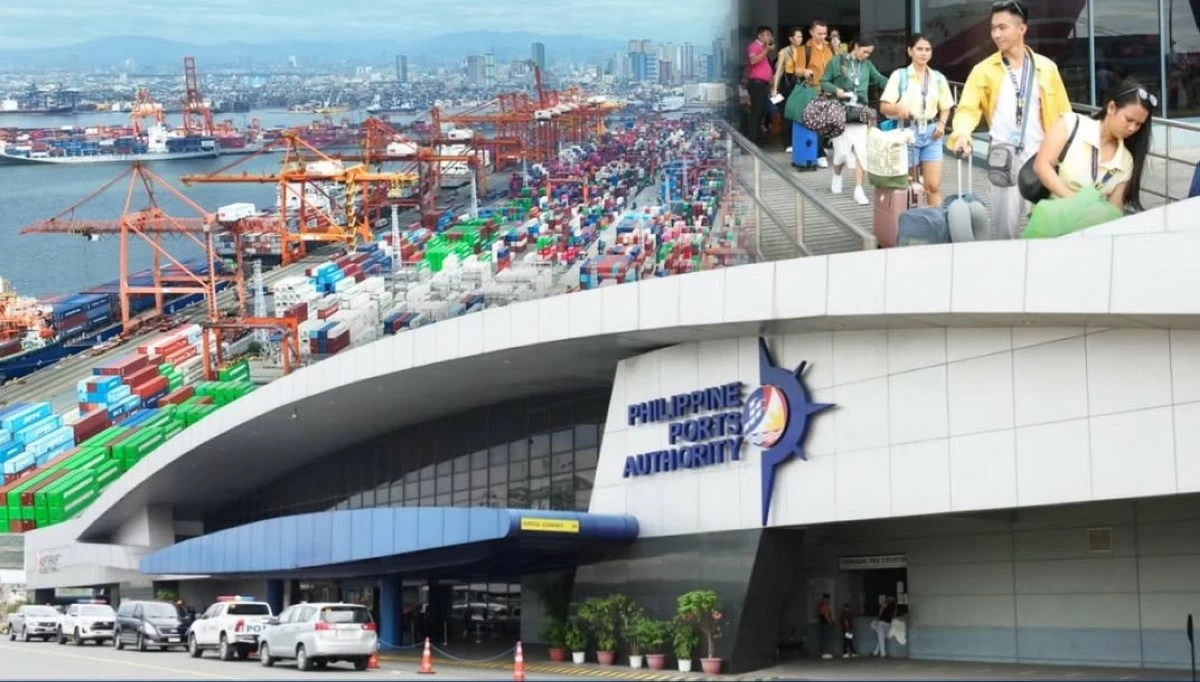
The Philippine Ports Authority (PPA) is banking on its consistent revenue growth every year in expanding and automating the efficient port systems and operations across the country.
And there is a strong and dependable reason to be optimistic because in the past years, the PPA has consistently registered an uptrend on total revenues—the latest was the P14.68 billion total revenue for the first half of 2025.
PPA General Manager Jay Daniel Santiago said the agency’s current focus is to modernize the port operations systems in as many ports under its supervision and control as he explained that automating the operations means efficiency, and eventually more income for the national government.
“With its consistent financial gains, the PPA commitment in delivering better services, modernizing port infrastructure, and building a legacy in dividend contributions will certainly bring growth in the maritime sector in the country and across the world,” said Santiago.
In working on modern Philippine ports, Santiago cited as a concrete example the investment of the International Container Terminal Services, Inc. (ICTSI) in Bauan, Batangas—the Luzon International Container Terminal (LICT).
Last week, Department of Transportation Secretary Vince Dizon and Santiago visited the LICT and showed how the national government intends to modernize the country’s ports.
The technology boasts of remote-controlled quay cranes, driverless container haulers, and AI-enhanced yard management. It is connected to major road arteries and is expected to ease congestion in the Manila port zones.
The LICT will be fully automated similar to the company’s Victoria International Container Terminal in Melbourne and is seen as an anchor for the wave of industrial development with factories, manufacturing zones, and logistic centers to follow in the area.
This is the kind of modernization that the PPA and the DOTr want to replicate—and the strong financial gains over the years is what makes officials believe in its doability.
“It is more than just an infrastructure but a gateway for the Philippines to carve its own path built on connectivity and adaptability,” said Santiago.
Earlier, the PPA reported that it hit ₱14.68 billion in total revenue for the first half of 2025—which is a 13.70 percent increase in income for the same period last year.
Santiago attributed the positive financial performance of the agency to a higher vessel and cargo traffic and a significant reduction in overall expenses.
“The growth in revenue was primarily driven by increased vessel and cargo traffic, favorable movements in dollar-denominated tariffs, higher storage fees, and income from regulatory sources,” said Santiago.
“Regulatory income remains the largest contributor, accounting for 59.23% or ₱8.69 billion of total revenues, followed by service and business income and interest and other income,” he added.
Based on the PPA data, the net income before tax surged to ₱7.70 billion, exceeding the target of ₱5.94 and marking a 71.95 percent increase from the same period last year.
Net income after tax, on the other hand, reached ₱6.72 billion, which is 35.43 percent above target and 77.67% higher than 2024 figures.
This strong profitability, Santiago explained, was supported by effective cost management, with total expenses at ₱6.98 billion or 10.84 percent below the budgeted amount and 17.23 percent lower year-on-year.
The decrease in expenses, he explained, was primarily attributed to the reduction in non-cash expenses.
“From a long-term perspective, the PPA’s financial performance has demonstrated consistent growth,” said Santiago, explaining that the total revenues have risen from ₱14.32 billion in 2016 to ₱27.64 billion in 2024, with regulatory income increasing from ₱6.82 billion in 2016 to ₱15.68 billion in 2024.
“This steady rise highlights the agency’s evolving role and its efforts to transform the Philippine port system into a more efficient and globally competitive sector,” he added.