






Manila Bulletin
 Philippines
National
DSWD backs bill prioritizing college education for 4Ps beneficiaries
Philippines
National
DSWD backs bill prioritizing college education for 4Ps beneficiaries
Philippines
National
DSWD backs bill prioritizing college education for 4Ps beneficiaries
DSWD backs bill prioritizing college education for 4Ps beneficiaries
Published Aug 7, 2025 03:49 pm


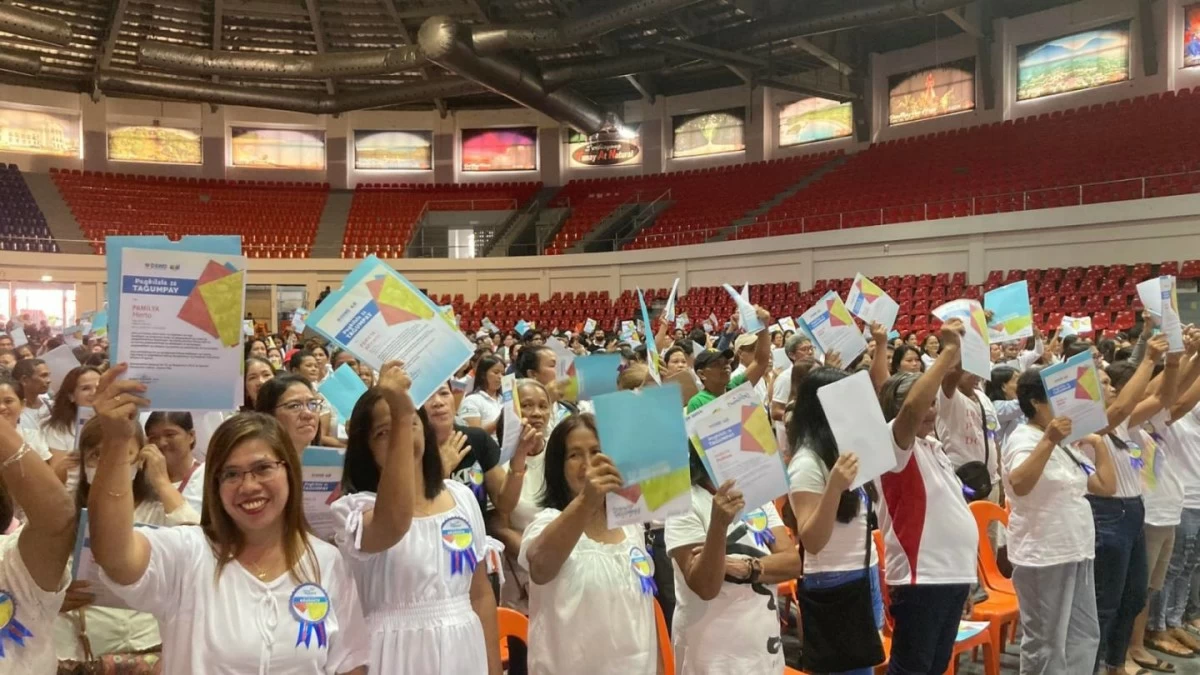
Photo courtesy of DSWD
The Department of Social Welfare and Development (DSWD) has expressed support for a proposed measure aimed at prioritizing access to tertiary education and employment opportunities for beneficiaries of the Pantawid Pamilyang Pilipino Program (4Ps).
House Bill No. 1040, or the “4Ps Support to Tertiary Education and Employment Program (4Ps STEEP),” filed by Palaguin ang Pangkabuhayang Pilipino Party-list Rep. JC Abalos, proposes the allocation of slots in state colleges and universities specifically for 4Ps beneficiaries.
During DSWD’s media forum on Thursday, Aug. 7, 4Ps National Program Manager Director Gemma Gabuya said the agency welcomes the bill as the 4Ps currently only supports education until senior high school.
“Maganda po iyon kasi ang 4Ps kaya lang natin i-support hanggang senior high school, pero paano yung college? (That's good because the 4Ps can only support beneficiaries up to senior high school, but what about college?),” she said.
Gabuya added that DSWD Secretary Rex Gatchalian met with Abalos on Aug. 6 to discuss proposed legislation supporting the long-term goals of the 4Ps program.
Under the bill, at least 10 percent of enrollment slots in state universities and colleges (SUCs) would be reserved for 4Ps beneficiaries.
Gabuya said this measure would help sustain the government’s investment in education and improve the chances of 4Ps households rising out of poverty.
She also highlighted the importance of complementing the 4Ps cash grants with broader economic and educational support.
“Ang grants kasi hindi sya income. Ito ay talagang tulong sa mga beneficiaries, augmentation lang pero dapat mayroon complementing sa economic side (The grants are not considered income. They are really just assistance for the beneficiaries, merely an augmentation, so there should be complementary support on the economic side),” Gabuya said.
The 4Ps is the national poverty reduction strategy that provides conditional cash transfers to improve the health, nutrition, and education of children aged zero to 18.
Over 4 million households are currently covered by the program.