







Surviving the US tariff moves
Published Aug 6, 2025 12:05 am
|
Updated Aug 5, 2025 04:49 pm


THE VIEW FROM RIZAL
“Why is America doing this? Has America given up its role as the Godfather of the Free World?”
These are the questions we have been hearing lately, following the move by the United States government to impose a 19 percent tariff on most Philippine goods exported to its country, even as our government agrees to open up our local market to imported, high-value goods coming from that country.
The immediate reaction to the move was surprise and hints of resentment. The US President made the announcement while President Bongbong Marcos Jr. was visiting his country, putting our Chief Executive in an awkward position. His US counterpart called our President a “tough negotiator,” apparently crediting President BBM’s negotiating ability for the one-percent decrease in the tariff being imposed on our exports — down from the originally announced 20 percent.
The initial sentiment was that the Philippines was not treated as a favored friend. There were suggestions that the US seems to have forgotten the historic ties between our two nations. Some said the US President treated us the same way he did countries with no emotional ties to his nation. They wondered why the US is “punishing” the Philippines with such a stiff tariff imposition.
The US President imposed similar tariffs on other key allies, including the European Union and its neighboring countries, Mexico and Canada. Last month, he “threatened” Japan with a 25 percent tariff on its exports before they reached a trade deal. Again, many wondered why the US appeared bent on alienating its allies. They understood the hefty tariffs on Chinese and Russian goods—they are “adversaries” of the US, after all. However, they struggled to see the value in “punitive” measures targeting goods from nations likely to stand beside the US.
So, they ask, “Is the US no longer the godfather of the Free World?”
There is another view.
Expert observers say the US President is simply doing what he must. First, he has to live up to the promises he made during the campaign. Second, he must satisfy his base. Third, it could be that the US is, indeed, in dire economic straits—and the President has to take bold steps to fix his country’s economy. We subscribe to the third view: his actions are driven by economic reason.
As such, they can be considered “wise.” With high tariffs, imported goods sold in the US will cost more. After all, tariffs are passed on to consumers. With imported goods costing more, Americans will be compelled to “buy local.” This benefits local businesses. It means greater viability and more profits for US-based enterprises.
Big producers located outside the US will now have to consider bringing their production back. This is also true for US companies that relocated operations to countries with cheaper taxes, raw materials, and labor. With stiff tariffs, it makes better sense to put up plants in the US. When production returns to the mainland, that would lead to the creation of many jobs. As soon as those jobs materialize and US-based businesses boom, the President would have fulfilled key campaign promises.
In a way, the US may have decided that a strong economy is better than being the godfather of the Free World.
Meanwhile, the rest of the Free World will now have to embrace the end of the era of an overly generous America. The democracies of the world, including ours, will have to learn to stand on our own two feet and craft a course and a future that is no longer dependent on the presence of a big brother. We must accept the reality that the US now wants to prioritize its own interests.
So, what’s in this deal for us?
President Bongbong Marcos Jr. called the deal an expression of “pragmatic diplomacy.”
We believe that what our President means is that we may have to swallow the bitter pill for practical reasons. Despite the stiff tariffs on Philippine goods entering the US, the latter remains our key military ally. We will need the US on our side—especially as we deal with festering issues in the West Philippine Sea. Our President also said we need to keep our access to the US market, a major outlet for our goods. He’s right: We will have to accept the cost of keeping that vital market.
Our economic experts, policy-makers, and business leaders will have to put their heads together and determine how our economy can emerge stronger from this deal, which some international observers describe as “asymmetrical.” We believe that is a synonym for “lopsided.” Now, the US wants a “more balanced” arrangement. It cannot be helped. After all, before the new tariff structure, the US had bought more from us than we had imported from US producers—a difference of about $2.8 billion in our favor, based on the last count.
We do not yet know what our economic experts and business leaders have in mind.
Meanwhile, we will have to trust that our country will find a way out of the hole we find ourselves in. We will have to learn to be less dependent and to chart a more independent course. This is an excellent opportunity to grow up.
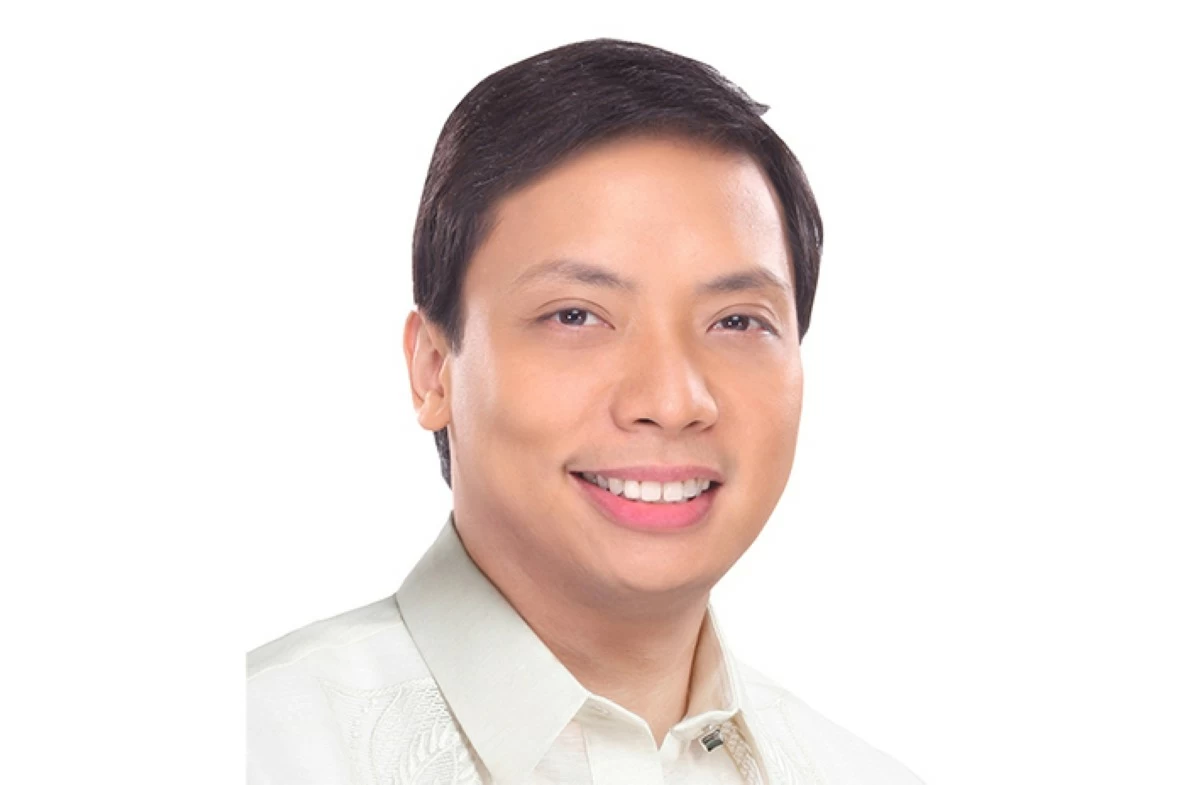
(The author is the mayor of Antipolo City, former Rizal governor, DENR assistant secretary for the environment, and LLDA general manager. Email: [email protected])