






Manila Bulletin
 Philippines
National
Marcos defends debt as investment in people, says savings possible with good governance
Philippines
National
Marcos defends debt as investment in people, says savings possible with good governance
Philippines
National
Marcos defends debt as investment in people, says savings possible with good governance
Marcos defends debt as investment in people, says savings possible with good governance
Published Aug 6, 2025 07:22 pm


At A Glance
- He explained that loans must be viewed in the context of economic growth and asset-building.
President Marcos has defended the government’s growing debt levels, saying loans are being used to invest in Filipinos and not merely to cover gaps in the national budget.
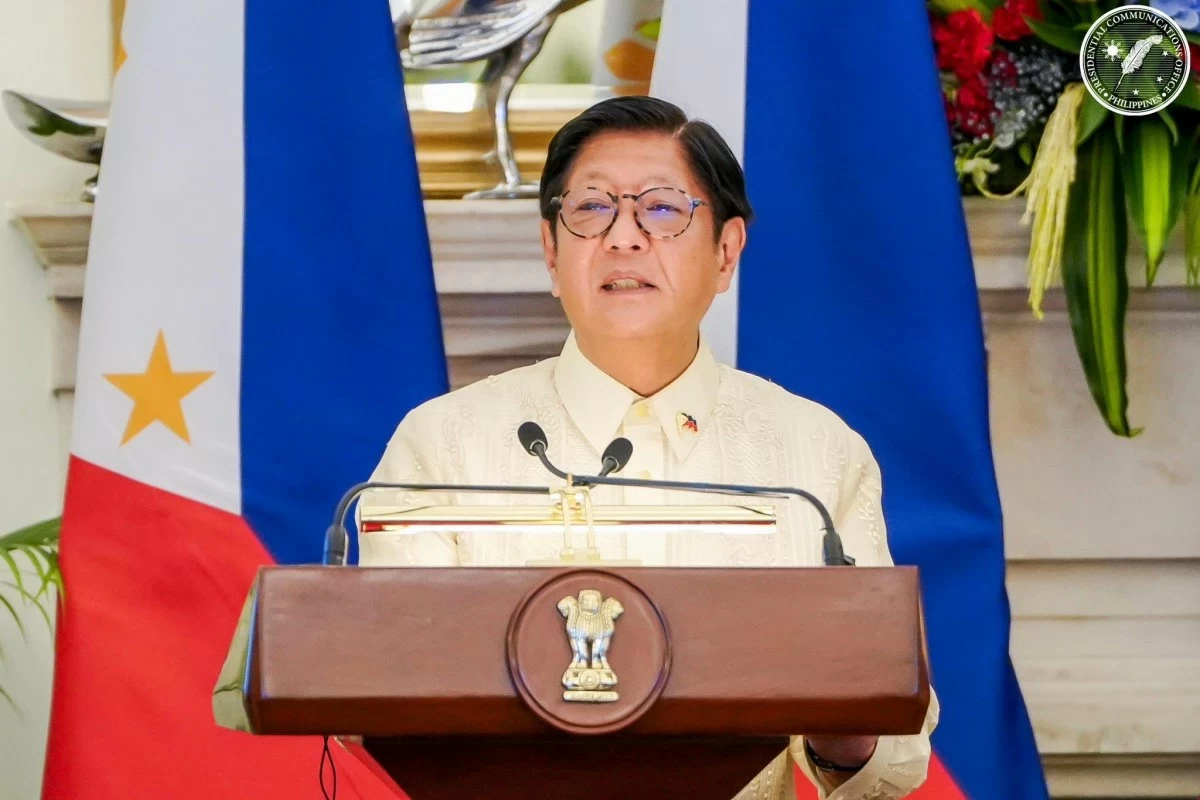
President Ferdinand 'Bongbong' Marcos Jr. (Malacañang photo)
Marcos said this after the country’s debt ballooned to P17.2 trillion as of July 2025.
In the third episode of his podcast released on Wednesday evening, Aug. 6, the President insisted the metric does not fully capture the returns on investments in infrastructure, social protection, and human capital.
“Yung utang na yun, gagamitin mo naman para pang-training doon sa taong yun. Anong balik nun? Ang balik nun employment (That debt is used for training people. What’s the return? The return is employment),” he said.
He explained that loans must be viewed in the context of economic growth and asset-building.
“It’s not an absolute number. Like any corporation, may balance sheet ‘yan. The balance sheet has assets and liabilities,” Marcos said.
“Eh, tingnan niyo yung asset. Nadadagdagan yung asset natin (Look at our assets—they are growing),” he added, noting that the country’s biggest asset is the Filipino worker.
Marcos drew comparisons with business practice, saying even small enterprises carry debt as long as it results in higher productivity or profits.
“Even if you look at any… isang maliit na negosyo, may utang din pero may kinikita. Tapos yung utang na yun, ginagamit pang-investment para palakihin ang negosyo (Even small businesses have debt, but they earn. And that debt is used for investments to grow the business),” he said.
The President maintained that sound governance and honest spending are more important than avoiding borrowing altogether.
“Basta’t yung pera ng Pilipinas ay ginagamit sa tamang paraan (As long as Philippine funds are used properly),” he said.
Marcos likewise said preventing corruption in infrastructure projects would create room for long-term savings.
“Hindi nakalagay doon dalawang classroom, ginawa lang isang classroom. Binulsa na yung natira (Sometimes it says two classrooms, but they only build one and pocket the rest),” he said.
When asked if eliminating wastage could help reduce the country’s debt, Marcos replied: “Dahan-dahan mapapababa natin ‘yan (We can slowly reduce it).”
Economic managers have maintained that the current debt level remains manageable, especially as the country’s GDP continues to grow faster than the debt accumulation rate. The national government also aims to cut the deficit-to-GDP ratio to three percent by 2028.