






Manila Bulletin
 Philippines
National
DPWH, JICA unveil flood control master plans for Luzon river basins
Philippines
National
DPWH, JICA unveil flood control master plans for Luzon river basins
Philippines
National
DPWH, JICA unveil flood control master plans for Luzon river basins
DPWH, JICA unveil flood control master plans for Luzon river basins
By Trixee Rosel
Published Aug 6, 2025 06:02 pm


At A Glance
- DPWH and JICA unveiled updated master plans for the Pasig-Marikina and Cagayan River Basins.
- The plans outline long-term flood control strategies for Metro Manila and northeastern Luzon.
- The initiative aims to boost infrastructure resilience in major Luzon river systems.
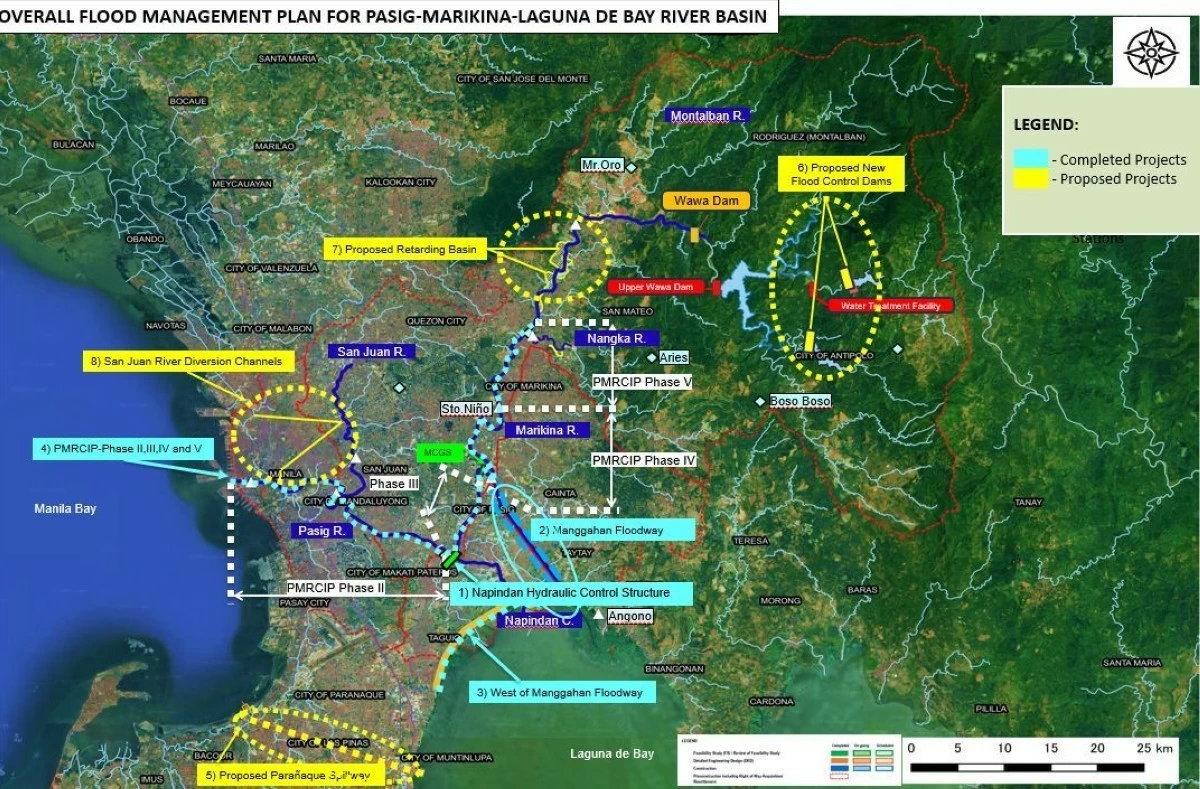
Officials from the Department of Public Works and Highways (DPWH) and the Japan International Cooperation Agency (JICA) present the updated flood control master plan for the Pasig-Marikina-Laguna de Bay River Basin during a stakeholders’ meeting in Quezon City. The plan aims to boost long-term flood resilience in Metro Manila and surrounding areas. (Photo courtesy of DPWH)
The Department of Public Works and Highways (DPWH), in partnership with the Japan International Cooperation Agency (JICA), has unveiled updated master plans for the Pasig-Marikina and Cagayan River Basins as part of a long-term strategy to strengthen flood protection in Metro Manila and northeastern Luzon.
DPWH Senior Undersecretary Emil K. Sadain and JICA Senior Representative Takanori Morishima presented the draft reports on August 5.
The new master plans, developed under a Japan-funded technical cooperation project launched in May 2024, outline structural and non-structural measures to protect high-risk communities from severe flooding.
These are informed by the impact of past weather events such as Typhoons Ondoy, Lawin, Ulysses, and most recently, Carina.
Pasig-Marikina: Dams, basins, and underground spillways
The Pasig-Marikina River Basin plan includes the proposed construction of two flow-through dams and four retarding basins in San Mateo, Rodriguez, and Quezon City, along with continued river channel improvements under Phases 2 and 3 of the Pasig-Marikina River Channel Improvement Project.
A separate plan for the San Juan River recommends underground retention channels and spillways to address recurrent flooding in Manila, San Juan, and Quezon City.
These projects aim to achieve a 100-year flood protection level for Metro Manila, aligned with the “Bagong Pilipinas” vision for resilient and sustainable urban development.
Cagayan River: Five dams, three channels, one mission
For the Cagayan River Basin, JICA Study Team Leader Takahiro Mishina presented a proposal featuring five major dams—Alimit, Siffu, Malig, Ilagan, and Cagayan—strategically positioned in the upper basin to regulate peak water flow.
The plan also includes three cut-off channels in Tuguegarao, San Isidro, and Gabut, as well as river improvement and dredging in the Magapit section of the lower Cagayan River to enhance discharge capacity and reduce flood risk.
Mishina underscored the importance of flood control in safeguarding agriculture, transport, and regional economic stability in northeastern Luzon
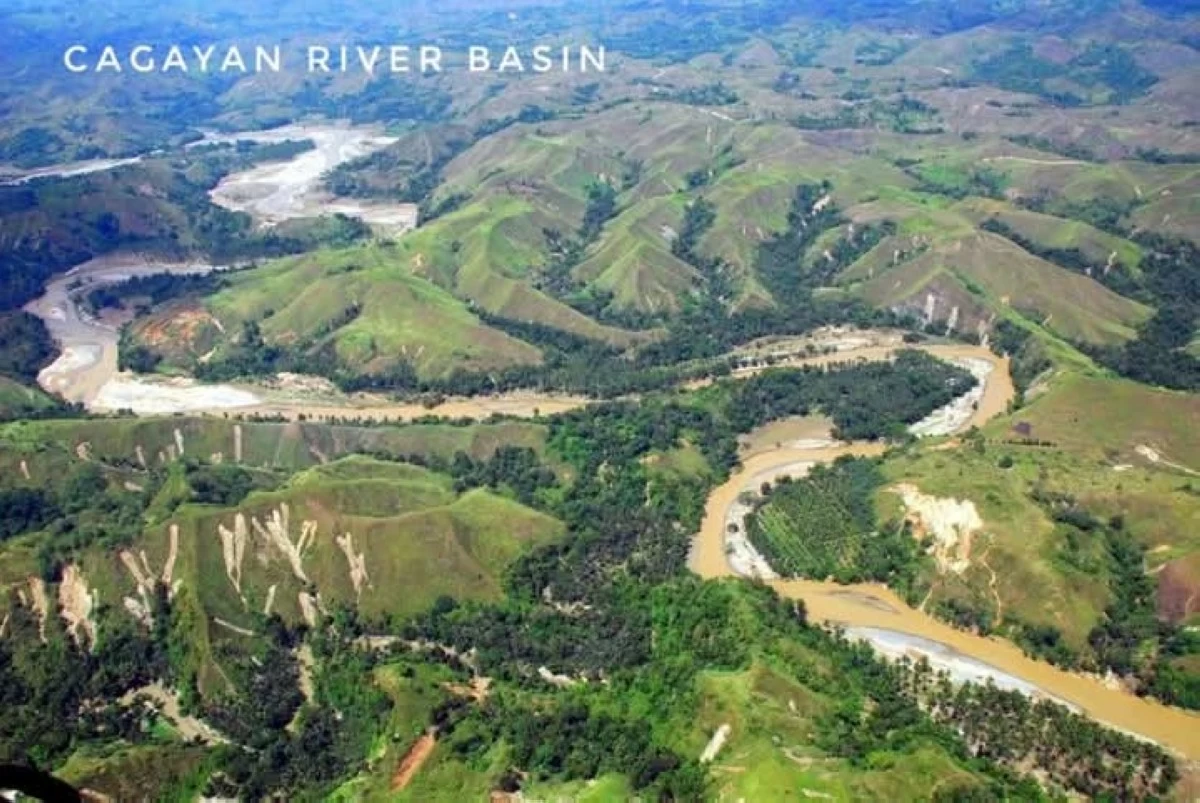
Aerial view of the Cagayan River Basin, one of the country’s largest and most flood-prone river systems. The Department of Public Works and Highways (DPWH), in partnership with the Japan International Cooperation Agency (JICA), has crafted a long-term master plan proposing the construction of five flood-control dams and three cut-off channels to boost disaster resilience and protect agricultural and economic assets in Region II. (Photo courtesy of DPWH)
A whole-of-system approach
Sadain said the updated master plans were prepared in coordination with CTI Engineering International Co., Ltd., Nippon Koei Co., Ltd., and Yachiyo Engineering Co., Ltd., and are currently under review by the Department of Environment and Natural Resources–Development (DENR-DEPDev).
Pre-feasibility studies are scheduled to begin by early 2026, followed by detailed engineering design to prepare for phased implementation.
“This is a generational project—not just about infrastructure, but about ending the cycle of displacement and disruption caused by major floods,” Sadain said.
Morishima reaffirmed Japan’s long-term support for the Philippines’ infrastructure agenda, noting that the partnership reflects shared responsibility in building resilient communities.
With climate risks escalating and population density rising, DPWH and JICA stressed that flood mitigation is now central to national resilience, economic continuity, and long-term development across Luzon’s most critical river systems.