






Manila Bulletin
 Philippines
Metro Manila
Son dies of leptospirosis after wading in floodwaters in search of missing father
Philippines
Metro Manila
Son dies of leptospirosis after wading in floodwaters in search of missing father
Philippines
Metro Manila
Son dies of leptospirosis after wading in floodwaters in search of missing father
Son dies of leptospirosis after wading in floodwaters in search of missing father
Caloocan City Police Station denies the allegations
By Hannah Nicol
Published Aug 5, 2025 01:19 pm


A 20-year-old college student died of leptospirosis after days of wading through floodwaters to search for his missing father, who was later discovered to have been detained without a warrant.
Dion Angelo “Gelo” Dela Rosa was a third-year student taking up Human Resource Services at the City of Malabon University. He was also the eldest of six siblings and a church sacristan. He died on Sunday night, July 27, after days of exposure to dirty floodwater while looking for his father.
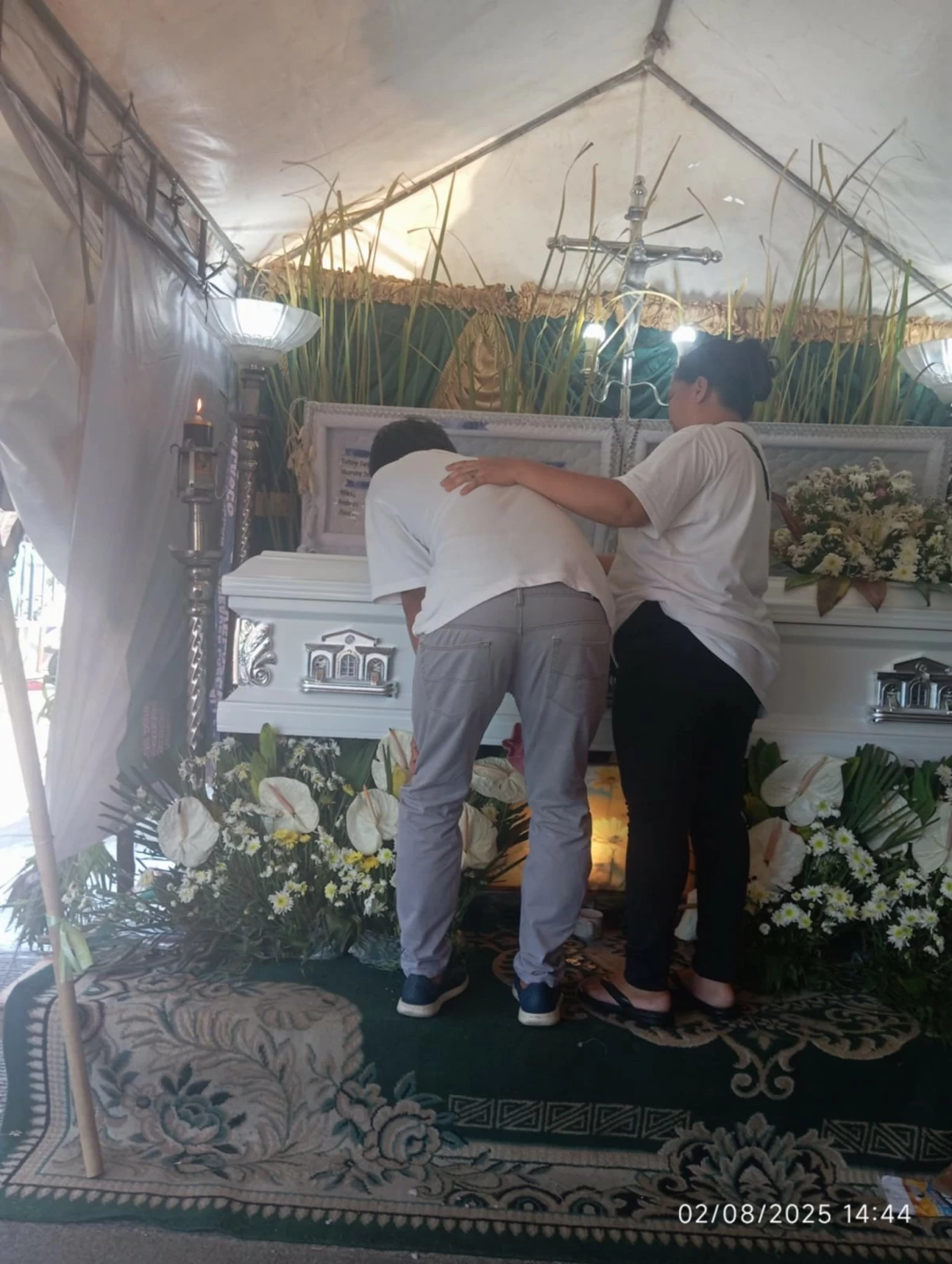
Courtesy of Caloocan Bishop and Cardinal Pablo Virgilio David
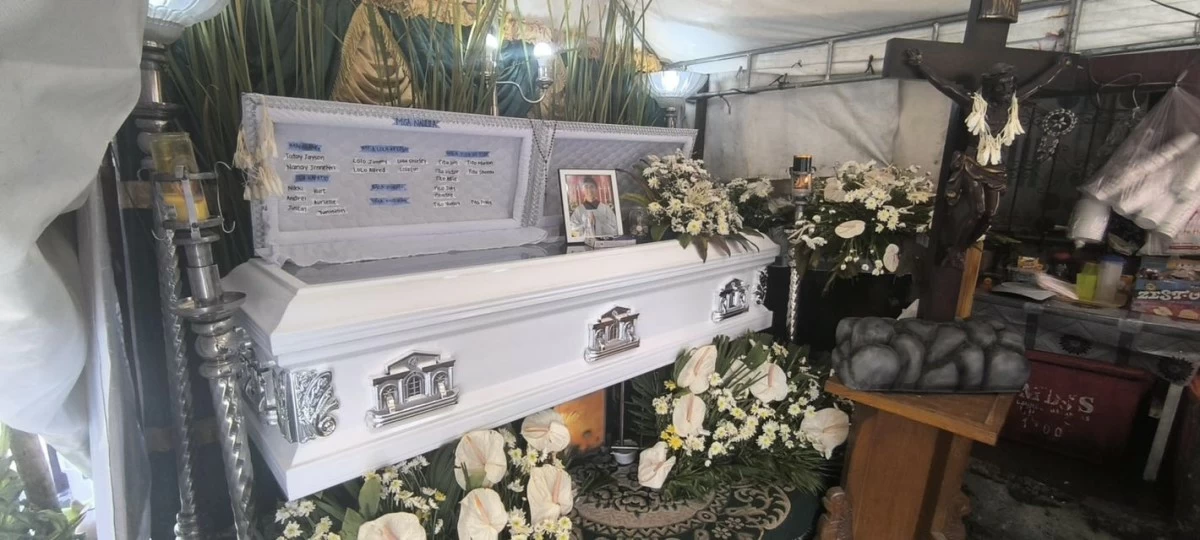
Courtesy of Caloocan Bishop and Cardinal Pablo Virgilio David
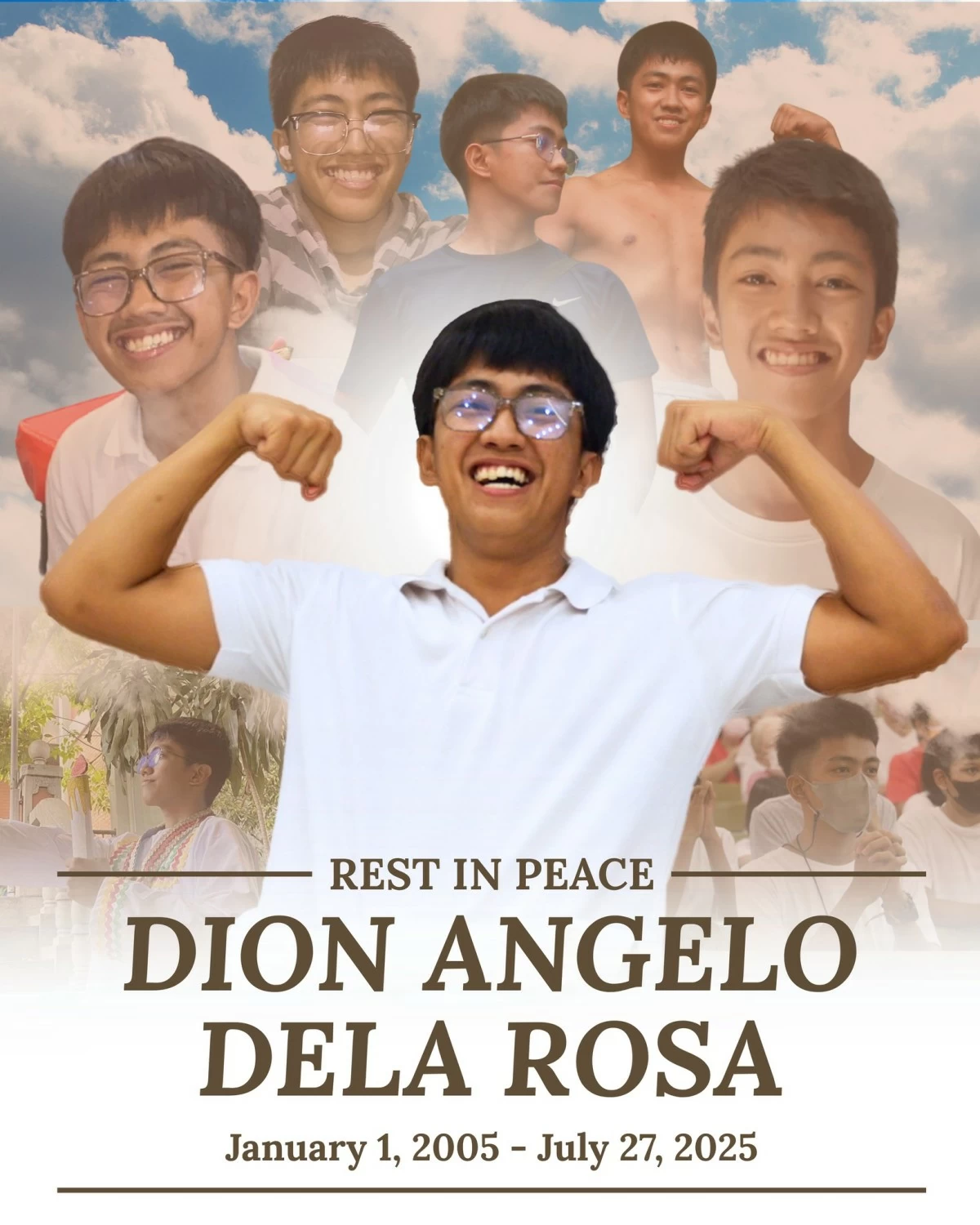
Courtesy of Caloocan Bishop and Cardinal Pablo Virgilio David
But the Caloocan City Police Station denied the allegations that Dela Rosa’s death was connected to the arrest of his father and said it happened under circumstances unrelated to the police operation.
“Based on verified reports and timelines, the unfortunate death of the youth due to leptospirosis is not related to the arrest of the father. The health-related incident occurred under different circumstances that have no casual connection to the police operation,” it said.
In light of questions raised about possible lapses during the arrest, the Caloocan police reiterated their commitment to transparency and accountability. They encouraged the family to file a formal complaint if officers failed to notify them about the arrest, assuring the public of a thorough investigation.
“Any allegation of misconduct will be thoroughly investigated and necessary disciplinary actions will be taken as appropriate,” they said.
The police also confirmed that the station commander and personnel involved in the incident have been temporarily relieved from their posts pending further review.
Father arrested without informing family
According to Caloocan Bishop and Cardinal Pablo Virgilio David, Gelo’s father went missing on July 22. Gelo and his mother, Jennylyn—who is blind in one eye, searched for him across flooded areas of Malabon, Navotas, and Caloocan.
They later discovered that the Caloocan police had arrested his father for allegedly playing cara y cruz, a traditional street coin game. He was charged under Presidential Decree 1602, a law against illegal gambling.
The police only confirmed his arrest three days later, on July 25. The father had reportedly begged the officers to inform his family, but they refused.
The bail was reportedly set at P30,000—an impossible amount for a family already struggling to cover daily expenses and school fees. Even the cost of each visit to the precinct was a heavy burden for them.
Despite being sick, Gelo kept going back to visit his father—to bring him food and help process his case. He waded through floodwaters every day until he started to develop a fever on Saturday night.
By Sunday morning, he apologized to his mother because he could not accompany her to the precinct due to body aches. He even wanted to let the church know that he would not be able to serve at the Sunday Mass at the Nuestro Señor De Longos Mission Station.
His mother told him to take paracetamol and get some rest. That night, aside from having a fever, he was already shivering. But what he continued to worry about was his father and how to come up with money for his bail.
His three-year-old youngest sibling was traumatized after being the first to discover that his Kuya Gelo was no longer alive. On Sunday night, July 27, Gelo who had become the family’s pillar of hope, passed away.
Grief behind bars
Cardinal David said Gelo’s father collapsed in grief when precinct officers informed him of his son’s death. Despite his wife’s efforts to comfort him, he blamed himself. It felt, he said, like God had abandoned them.
He also didn’t know how he could ever raise enough money to be released—to grieve properly and bury his son.
Meanwhile, the wake for Gelo was held along the roadside. The family couldn’t afford a funeral chapel. His mother, still visually impaired, and his five younger siblings kept vigil by the coffin, surrounded by neighbors, candles, and sorrow.
Double standards
In his post, Cardinal David criticized the government for its double standards. Poor people like Gelo’s father are jailed for small-time gambling while the government itself runs online gambling.
“Bakit pa pag-aaksayahan ng panahon ng kapulis lan na arestuhin ang naglalaro ng kara y krus kung kahit mga bata ay pwede nang mag-sugal sa cellphone bago pa man sila matutong mag-multiply? Kung addictive ang sugal, ang pinakamalaking pusher ng adiksyon sa sugal sa kasalukuyan ay ang walang iba kundi sariling gubyerno natin sa pamamagitan ng PAGCOR—para daw kumita ang gubyerno ng pandagdag gastusing pampubliko (Why would the police even bother arresting someone playing kara y krus when even children can now gamble on their cellphones before they’ve even learned how to multiply? If gambling is addictive, then the biggest pusher of gambling addiction today is none other than our own government—through PAGCOR—allegedly to raise funds for public spending),” he said
“Before, gambling was kept away from the public. Now, anyone with a phone—even kids—can gamble anytime, anywhere. Some even borrow money through apps like GCash just to bet,” he added.
David said old anti-gambling laws are still being used to target the poor, while online gambling, which destroys more families, continues legally and unchecked.
A call for justice
David said Gelo’s death is not just a personal tragedy but a symbol of the wider injustices faced by the poor.
“We must not remain silent. Gelo’s life and death must mean something. We must speak up for the poor, for those ignored by institutions, and for those afraid to speak,” he said.
Gelo’s father has since been temporarily released, thanks to a donor who covered his bail. But the charges remain and the family is now left to care for five children with no stable source of support.
“We must pray not only for the family, but for ourselves too—as Christians and as citizens. If we don’t act, more young people like Gelo will lose their future because of a system that punishes the poor but protects the powerful,” David said.
A final goodbye
The Nuestro Señor De Longos Mission Station, where Gelo served as a sacristan, offered a heartfelt farewell:
“Paalam sa isang mabuting anak, maasahang kaibigan, at tapat na lingkod ng Diyos.
Maraming salamat sa iyong liwanag at pagmamahal. Mananatili kang buhay sa aming mga puso, alaala, at panalangin. Hanggang sa muli (Farewell to a good son, a dependable friend, and a faithful servant of God. Thank you for your light and love. You will remain alive in our hearts, memories, and prayers. Until we meet again),” it said.