






Manila Bulletin
 Business
The Economy
Rice prices fall at steepest pace since 1995, pulling July inflation below 1%
Business
The Economy
Rice prices fall at steepest pace since 1995, pulling July inflation below 1%
Business
The Economy
Rice prices fall at steepest pace since 1995, pulling July inflation below 1%
Rice prices fall at steepest pace since 1995, pulling July inflation below 1%
By Derco Rosal
Published Aug 5, 2025 11:49 am
|
Updated Aug 5, 2025 01:30 pm


At A Glance
- Rice prices dropping to its fastest level since 1995 or three decades from now brought the consumer price hikes to less than one percent in July, partly supported by the P20-per-kilo rice program by the current administration.
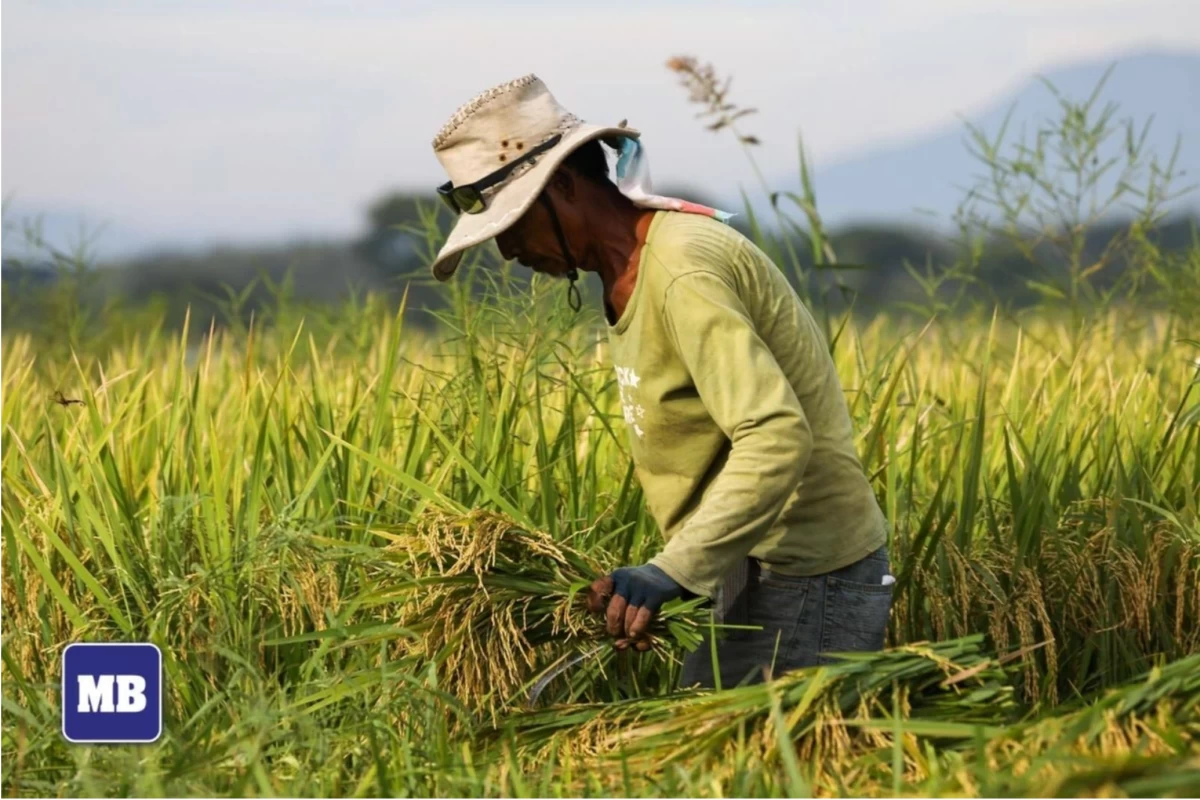
Rice prices dropped at their fastest pace since 1995, bringing consumer price increases to below one percent in July, partly supported by the current administration’s ₱20-per-kilo rice program.
Philippine Statistics Authority (PSA) Undersecretary and National Statistician Claire Dennis Mapa said during a press briefing on Tuesday, Aug. 5, that the government’s ₱20-per-kilo rice program helped lower prices of the food staple during the month, a trend that Filipinos began seeing since June.
Mapa reported that July inflation across all income households dropped to 0.9 percent—the lowest since October 2019's 0.6 percent—from 1.4 percent in June. This was substantially lower than last year’s 4.4-percent inflation rate. July inflation also fell within the downscaled forecast of the Bangko Sentral ng Pilipinas (BSP), at 0.5 percent to 1.3 percent.
In June, a substantial 14.4-percent drop in rice prices, the fastest year-on-year decline since 1995, helped offset the overall inflation uptick. In July, this decline was even steeper at 15.9 percent—reflecting the spread of the recently launched cheaper rice program.
Apart from rice deflation, the overall food deflation in July was driven by deeper price drops in vegetables (-4.7 percent from -2.8 percent), along with slower price increases in key items like meat (8.8 percent from 9.1 percent).
While vegetable inflation stayed low in July, Mapa expects it to pick up in August, with the impact of recent typhoons already becoming noticeable, particularly in Metro Manila.
Adding to these declines were the slower annual price increases in housing, water, electricity, gas, and other fuels, which collectively rose by 2.1 percent during the month, from a faster 3.2 percent in June.
In contrast, faster annual increases were recorded in July for alcoholic beverages and tobacco (4.2 percent from 3.8 percent), clothing and footwear (1.8 percent from 1.7 percent), health (2.6 percent from 2.4 percent), information and communication (0.5 percent from 0.4 percent), and restaurant and accommodation services (2.3 percent from 2.1 percent).
Of the 0.9-percent overall inflation rate, housing, water, electricity, gas and other fuels accounted for 47.3 percent; restaurants and accommodation services for 24.7 percent; and alcoholic beverages and tobacco for 14.2 percent.
Core inflation, which strips out volatile food and energy prices, inched up slightly to 2.3 percent during the month from 2.2 percent in June, but this was still lower than the 2.9 percent recorded in the same month last year.
Inflation for the poorest households or the bottom 30-percent income households dropped faster by 0.8 percent in July from the 0.4 percent in the previous month. Year-to-date, this group’s inflation rate averaged at a 0.5-percent pace.
“The sustained drop in rice prices and the easing of inflation for low-income households are clear signs that our interventions are working. This not only helps Filipinos preserve the value of their peso but also builds confidence for businesses and consumers to plan ahead,” National Socioeconomic Planner Arsenio M. Balisacan said in an Aug. 5 statement.
“While we expect the overall inflation for 2025 to remain favorable and supportive of domestic demand, we remain vigilant against external risks, including global policy shifts and geopolitical tensions,” Balisacan said.