ADVERTISEMENT

PSBank plans to raise at least ₱2 billion from peso bond issue

Published Aug 4, 2025 02:11 pm
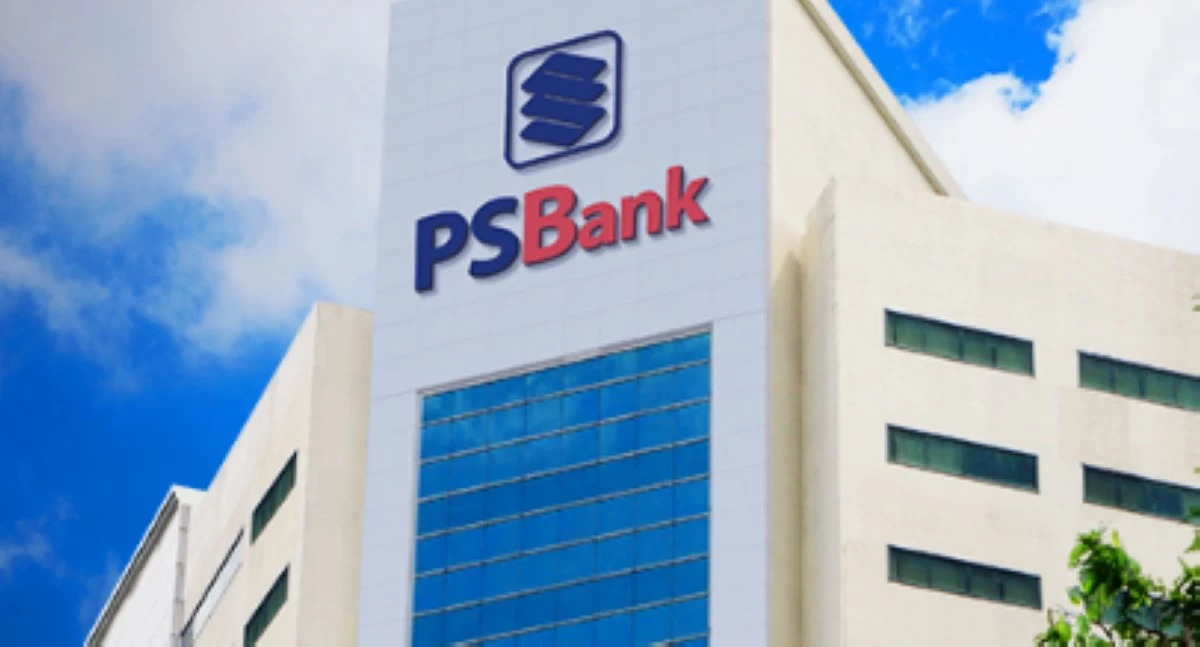
Philippine Savings Bank (PSBank), the thrift banking arm of the Metrobank Group, is set to raise at least ₱2 billion from the issuance of peso-denominated fixed-rate bonds as part of its ongoing ₱40-billion bond program.
In a disclosure to the Philippine Stock Exchange (PSE), the bank said the proposed issuance will have an initial size of ₱2 billion, with an option to upsize.
This will mark the third tranche under the program, following the ₱6.3-billion issuance in July 2019 and ₱4.65-billion issuance in February 2020.
PSBank has mandated First Metro Investment Corp. and ING Bank N.V., Manila Branch as arrangers for the upcoming issuance. The selling agents for the offering are PSBank, First Metro, ING, and Metropolitan Bank & Trust Co. (Metrobank).
“Net proceeds will provide the bank with access to long-term funding to support its expansion initiatives and further diversify its funding sources,” PSBank said.
The bonds will have a tenor of two years and will carry a fixed interest rate of 5.875 percent per annum. The minimum investment amount is ₱100,000, with additional increments in multiples of ₱10,000.
The offer period will run from Aug. 4 to 8, 2025, subject to adjustment by PSBank and the arrangers as necessary.
PSBank has maintained the highest issuer credit rating of PRS Aaa (corp.) with a stable outlook from Philippine Rating Services Corp. (PhilRatings).
A company rated PRS Aaa (corp..) has a very strong capacity to meet its financial commitments relative to that of other Philippine corporations. A stable outlook is assigned when a rating is likely to be maintained or to remain unchanged in the next 12 months.
PhilRatings said the assigned rating and outlook take into account PSBank’s solid market position, its sound capitalization and asset quality, the bank’s strong parent and highly experienced management team, and the positive outlook for the bank’s major market.
As of Dec. 31, 2024, PSBank remained the largest thrift bank in the country in terms of assets, based on data from the Bangko Sentral ng Pilipinas (BSP).
The bank ended last year with total assets of ₱214.9 billion. It likewise took the top spot in terms of net loans (₱140.9 billion) and capital (₱42.5 billion).
PSBank has also established itself as a major player in the consumer banking sector as it continued to hold a significant share in the thrift banking sector’s auto and real estate loans.

Related Tags

Philippine Savings Bank Philippine Rating Services Corporation
ADVERTISEMENT
.most-popular .layout-ratio{ padding-bottom: 79.13%; } @media (min-width: 768px) and (max-width: 1024px) { .widget-title { font-size: 15px !important; } }

{{ articles_filter_1561_widget.title }}

.most-popular .layout-ratio{ padding-bottom: 79.13%; } @media (min-width: 768px) and (max-width: 1024px) { .widget-title { font-size: 15px !important; } }

{{ articles_filter_1562_widget.title }}

.most-popular .layout-ratio{ padding-bottom: 79.13%; } @media (min-width: 768px) and (max-width: 1024px) { .widget-title { font-size: 15px !important; } }

{{ articles_filter_1563_widget.title }}

{{ articles_filter_1564_widget.title }}

.mb-article-details { position: relative; } .mb-article-details .article-body-preview, .mb-article-details .article-body-summary{ font-size: 17px; line-height: 30px; font-family: "Libre Caslon Text", serif; color: #000; } .mb-article-details .article-body-preview iframe , .mb-article-details .article-body-summary iframe{ width: 100%; margin: auto; } .read-more-background { background: linear-gradient(180deg, color(display-p3 1.000 1.000 1.000 / 0) 13.75%, color(display-p3 1.000 1.000 1.000 / 0.8) 30.79%, color(display-p3 1.000 1.000 1.000) 72.5%); position: absolute; height: 200px; width: 100%; bottom: 0; display: flex; justify-content: center; align-items: center; padding: 0; } .read-more-background a{ color: #000; } .read-more-btn { padding: 17px 45px; font-family: Inter; font-weight: 700; font-size: 18px; line-height: 16px; text-align: center; vertical-align: middle; border: 1px solid black; background-color: white; } .hidden { display: none; }
function initializeAllSwipers() { // Get all hidden inputs with cms_article_id document.querySelectorAll('[id^="cms_article_id_"]').forEach(function (input) { const cmsArticleId = input.value; const articleSelector = '#article-' + cmsArticleId + ' .body_images'; const swiperElement = document.querySelector(articleSelector); if (swiperElement && !swiperElement.classList.contains('swiper-initialized')) { new Swiper(articleSelector, { loop: true, pagination: false, navigation: { nextEl: '#article-' + cmsArticleId + ' .swiper-button-next', prevEl: '#article-' + cmsArticleId + ' .swiper-button-prev', }, }); } }); } setTimeout(initializeAllSwipers, 3000); const intersectionObserver = new IntersectionObserver( (entries) => { entries.forEach((entry) => { if (entry.isIntersecting) { const newUrl = entry.target.getAttribute("data-url"); if (newUrl) { history.pushState(null, null, newUrl); let article = entry.target; // Extract metadata const author = article.querySelector('.author-section').textContent.replace('By', '').trim(); const section = article.querySelector('.section-info ').textContent.replace(' ', ' '); const title = article.querySelector('.article-title h1').textContent; // Parse URL for Chartbeat path format const parsedUrl = new URL(newUrl, window.location.origin); const cleanUrl = parsedUrl.host + parsedUrl.pathname; // Update Chartbeat configuration if (typeof window._sf_async_config !== 'undefined') { window._sf_async_config.path = cleanUrl; window._sf_async_config.sections = section; window._sf_async_config.authors = author; } // Track virtual page view with Chartbeat if (typeof pSUPERFLY !== 'undefined' && typeof pSUPERFLY.virtualPage === 'function') { try { pSUPERFLY.virtualPage({ path: cleanUrl, title: title, sections: section, authors: author }); } catch (error) { console.error('ping error', error); } } // Optional: Update document title if (title && title !== document.title) { document.title = title; } } } }); }, { threshold: 0.1 } ); function showArticleBody(button) { const article = button.closest("article"); const summary = article.querySelector(".article-body-summary"); const body = article.querySelector(".article-body-preview"); const readMoreSection = article.querySelector(".read-more-background"); // Hide summary and read-more section summary.style.display = "none"; readMoreSection.style.display = "none"; // Show the full article body body.classList.remove("hidden"); } document.addEventListener("DOMContentLoaded", () => { let loadCount = 0; // Track how many times articles are loaded const offset = [1, 2, 3, 4, 5, 6, 7, 8, 9, 10]; // Offset values const currentUrl = window.location.pathname.substring(1); let isLoading = false; // Prevent multiple calls if (!currentUrl) { console.log("Current URL is invalid."); return; } const sentinel = document.getElementById("load-more-sentinel"); if (!sentinel) { console.log("Sentinel element not found."); return; } function isSentinelVisible() { const rect = sentinel.getBoundingClientRect(); return ( rect.top < window.innerHeight && rect.bottom >= 0 ); } function onScroll() { if (isLoading) return; if (isSentinelVisible()) { if (loadCount >= offset.length) { console.log("Maximum load attempts reached."); window.removeEventListener("scroll", onScroll); return; } isLoading = true; const currentOffset = offset[loadCount]; window.loadMoreItems().then(() => { let article = document.querySelector('#widget_1690 > div:nth-last-of-type(2) article'); intersectionObserver.observe(article) loadCount++; }).catch(error => { console.error("Error loading more items:", error); }).finally(() => { isLoading = false; }); } } window.addEventListener("scroll", onScroll); });

Sign up by email to receive news.