






Manila Bulletin
 Drive
PHEV surprise: Chery Tiggo Re-V covers 230.9-kilometers using less than a liter of fuel
Drive
PHEV surprise: Chery Tiggo Re-V covers 230.9-kilometers using less than a liter of fuel
Drive
PHEV surprise: Chery Tiggo Re-V covers 230.9-kilometers using less than a liter of fuel
PHEV surprise: Chery Tiggo Re-V covers 230.9-kilometers using less than a liter of fuel
The seven-seat plug-in hybrid SUV under ₱2M
Published Aug 4, 2025 06:02 pm


At A Glance
- The Chery Tiggo Re-V is a seven-seat plug-in hybrid SUV positioned to offer both electrified efficiency and everyday practicality. We test out this ₱1,648,000 PHEV to experience its hybrid system, performance, and electric range.
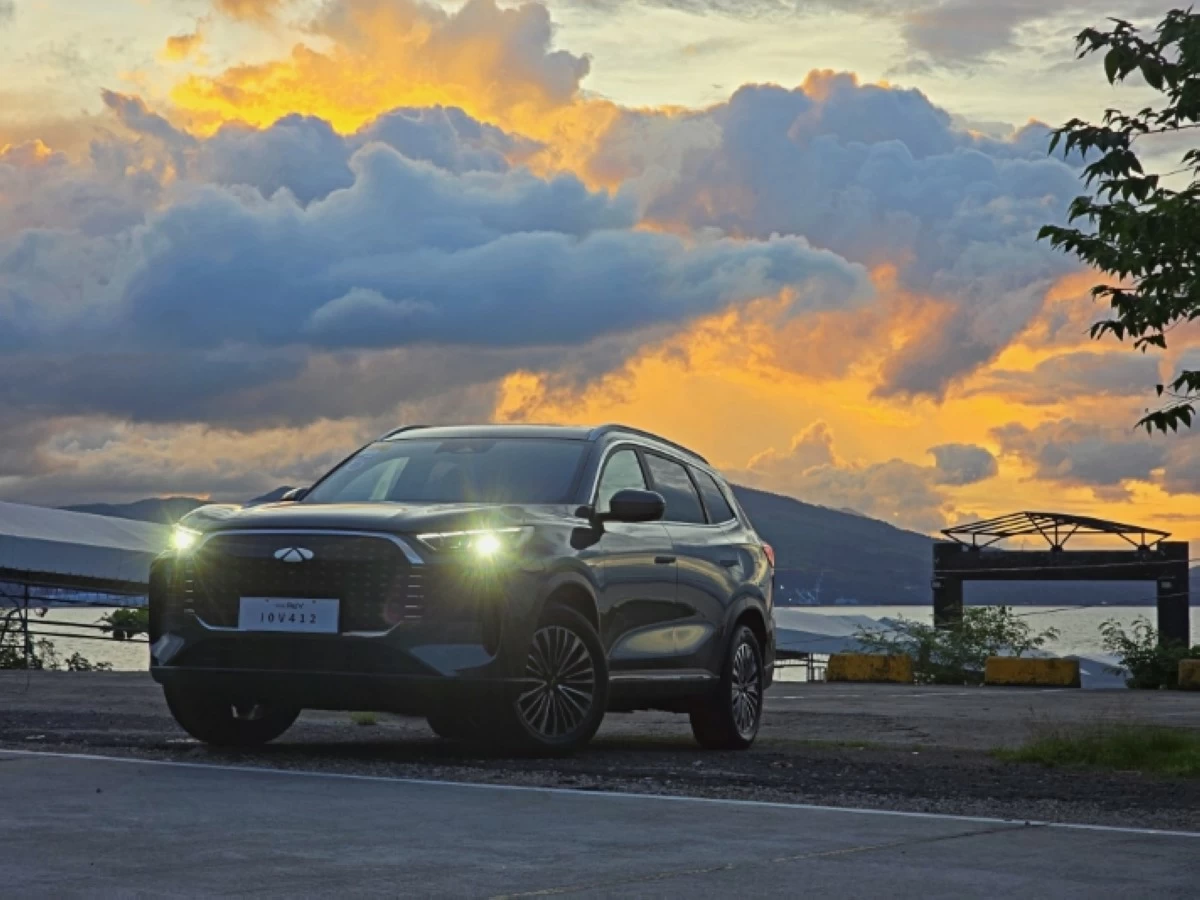
The Chery Tiggo Re-V is a seven-seat plug-in hybrid SUV positioned to offer both electrified efficiency and everyday practicality. Essentially the new Tiggo 8 PHEV, the Re-V combines a turbocharged petrol engine with a dedicated hybrid system, delivering strong performance, long electric range, and a host of tech and safety features. Priced at ₱1,648,000, it enters the market as one of the most compelling electrified options under the ₱2 million mark.
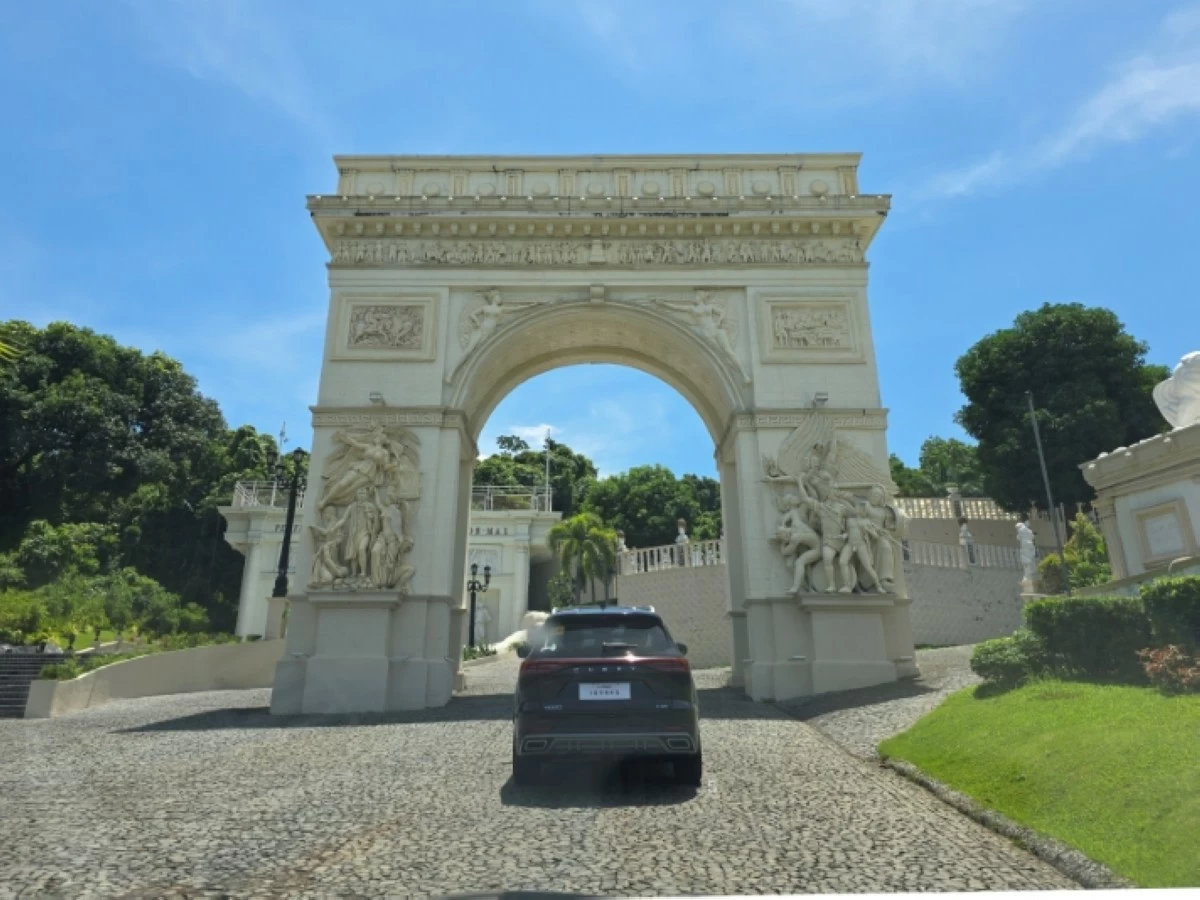
To experience these claims for myself, I recently joined Chery Philippines for a drive of its all-new Tiggo Re-V plug-in hybrid SUV. The route took us from Quezon City to Bataan and Subic, providing a real-world test of the vehicle’s capabilities in varying road conditions.
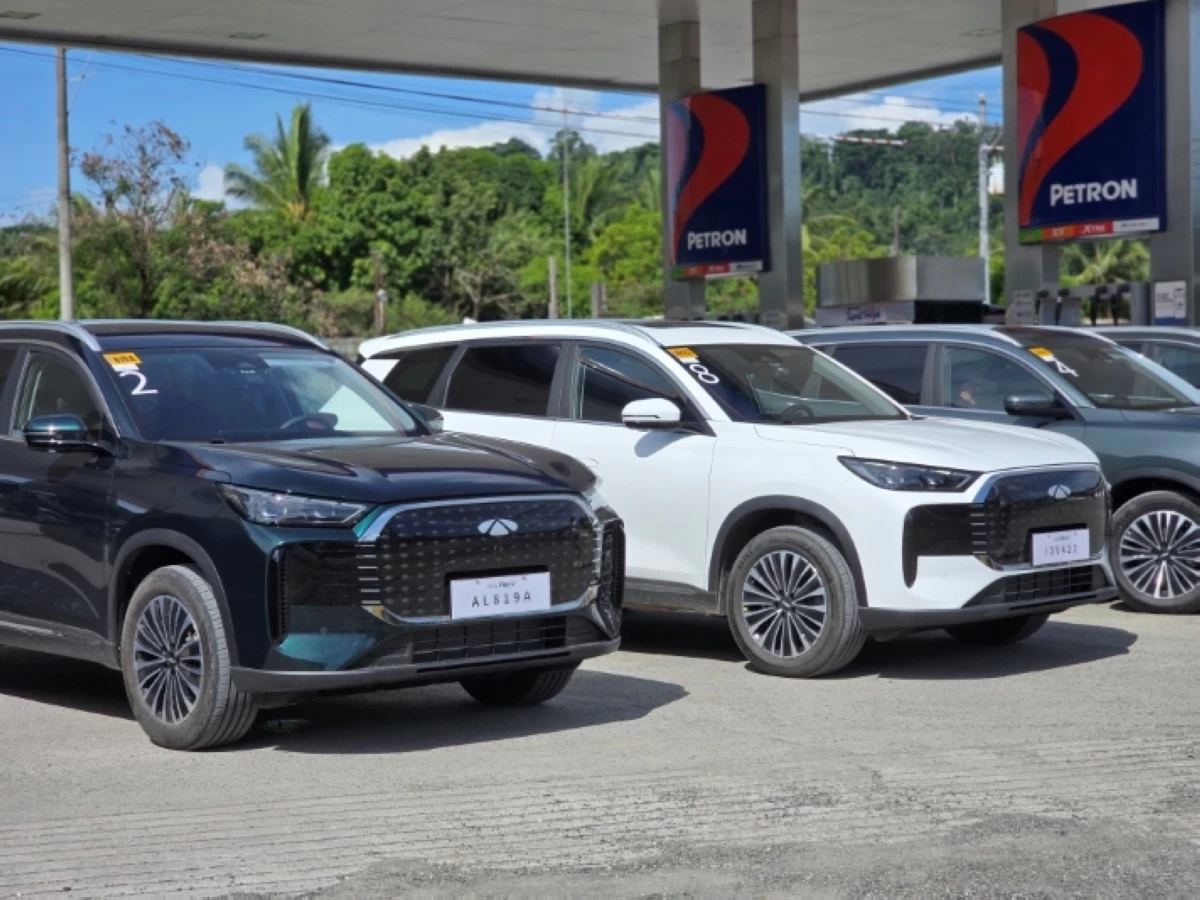
We began the day at Chery Commonwealth with a light breakfast and a routine driver’s briefing. Shortly after, we drove to a nearby Petron gas station to fill up and seal the tanks. This ensured that fuel readings at the end of the day accurately reflected consumption. From there, we made our way through EDSA and NLEX, eventually heading to Bataan via SCTEX. After some highway and provincial road driving, we stopped at Rancho Bernardo in Bagac for lunch and photos, then continued to Petron Subic for the final fuel check.
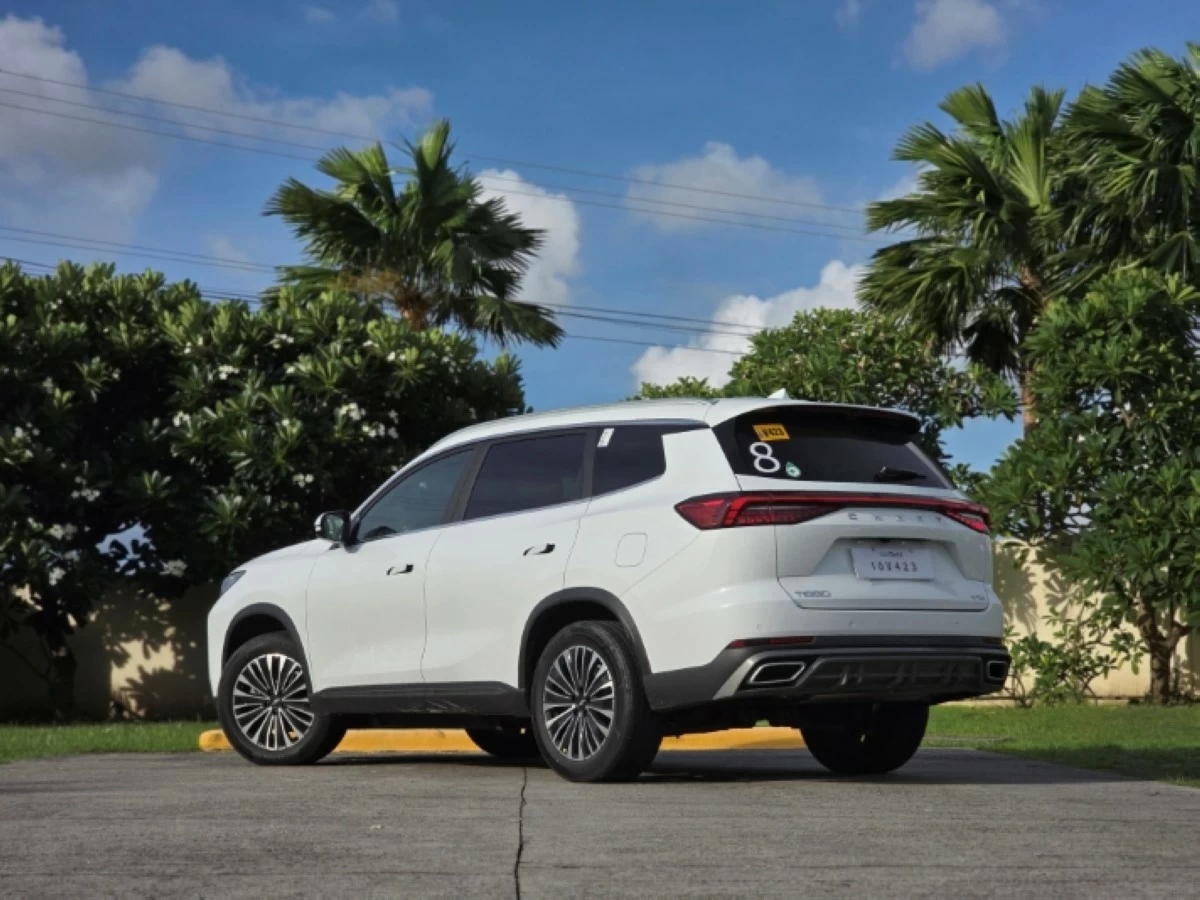
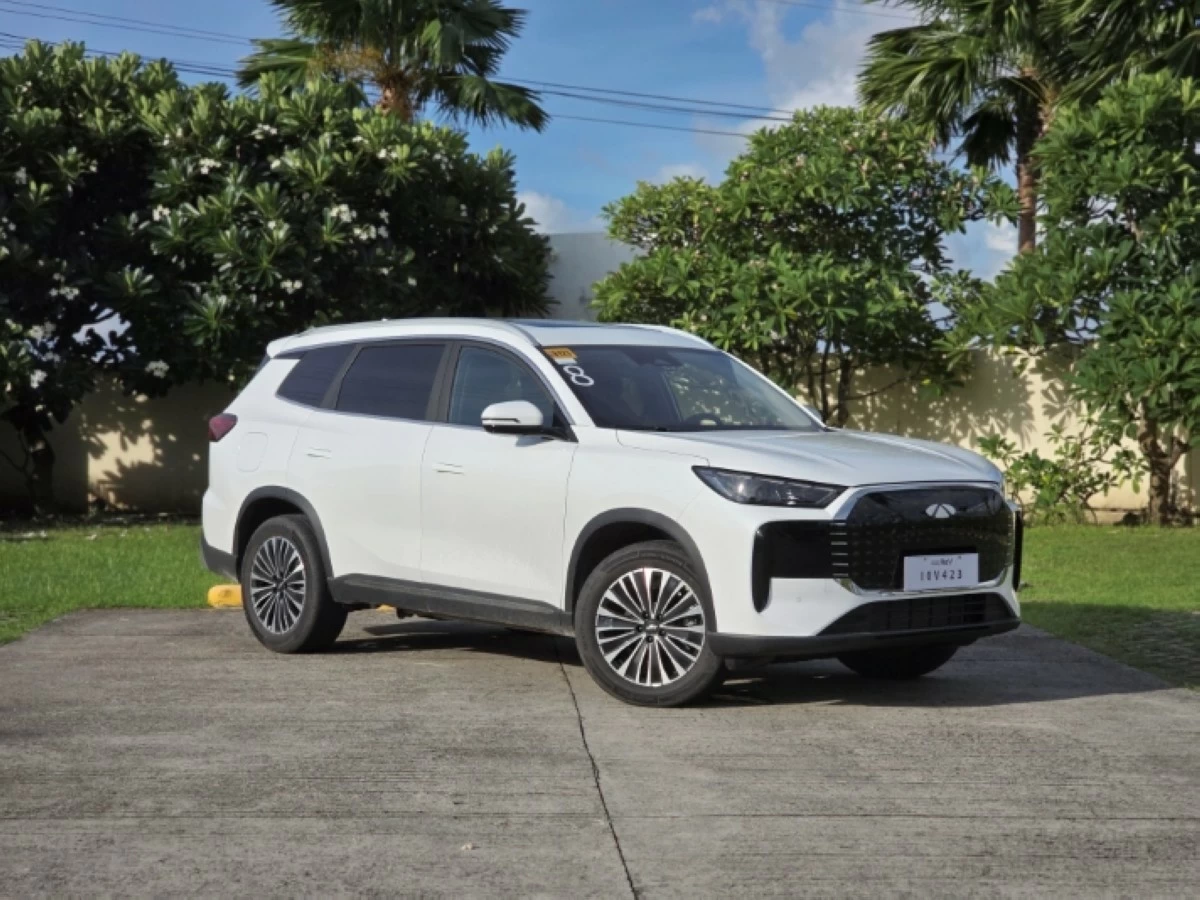
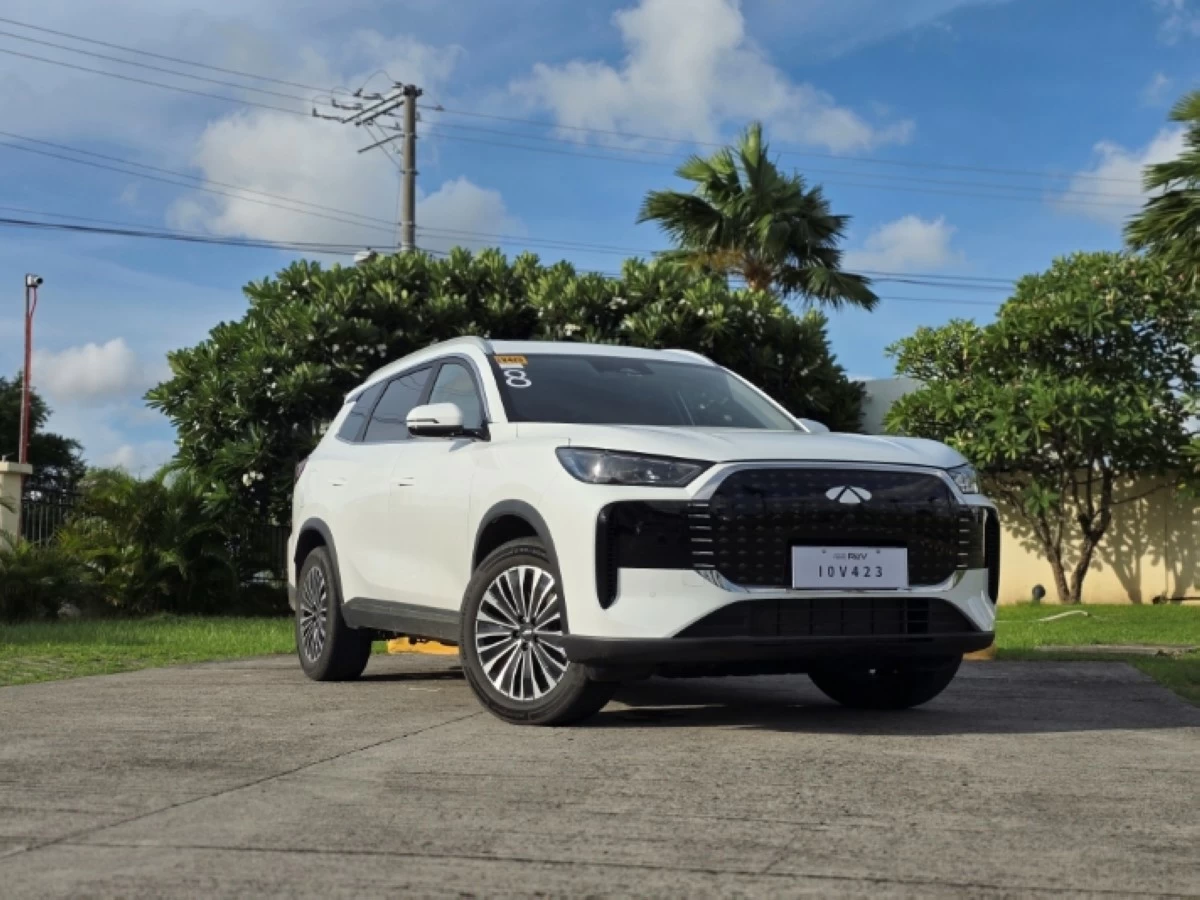
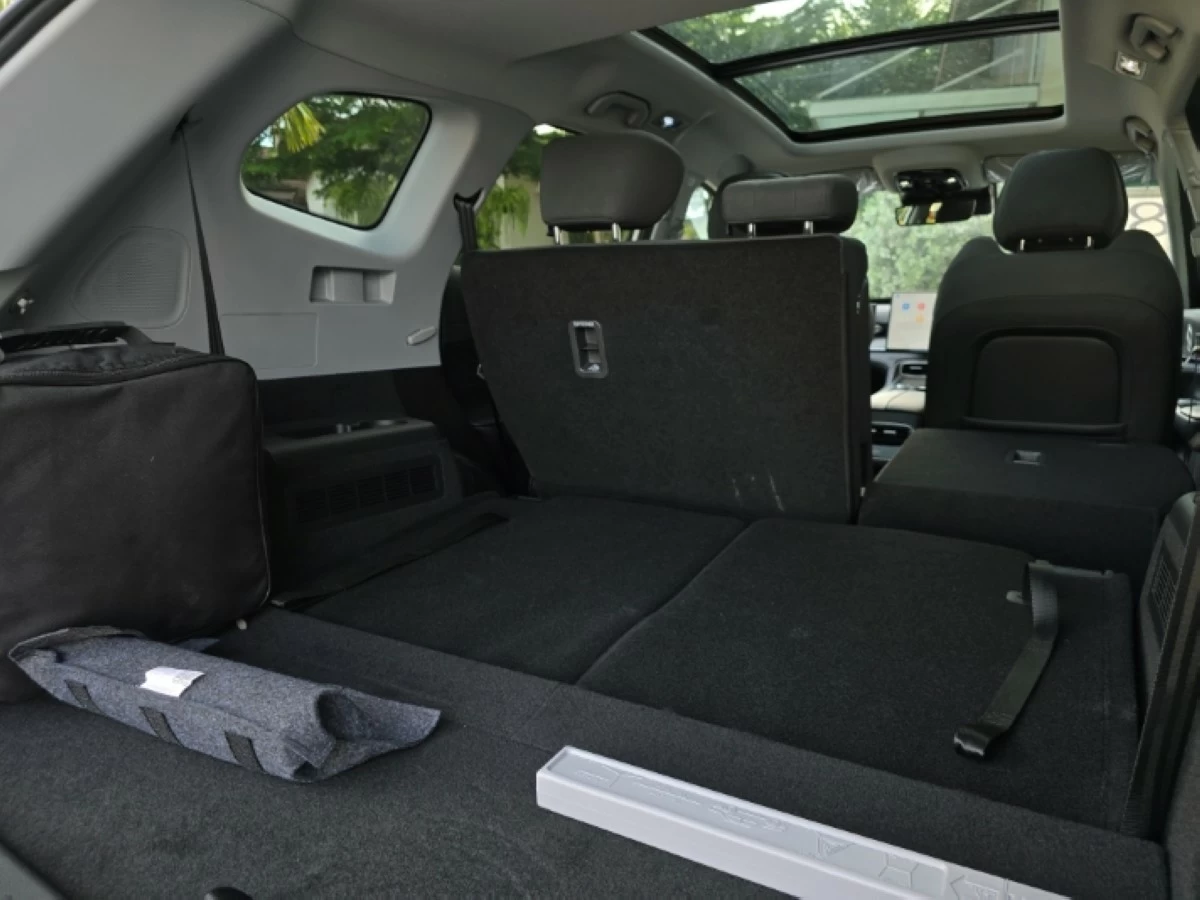
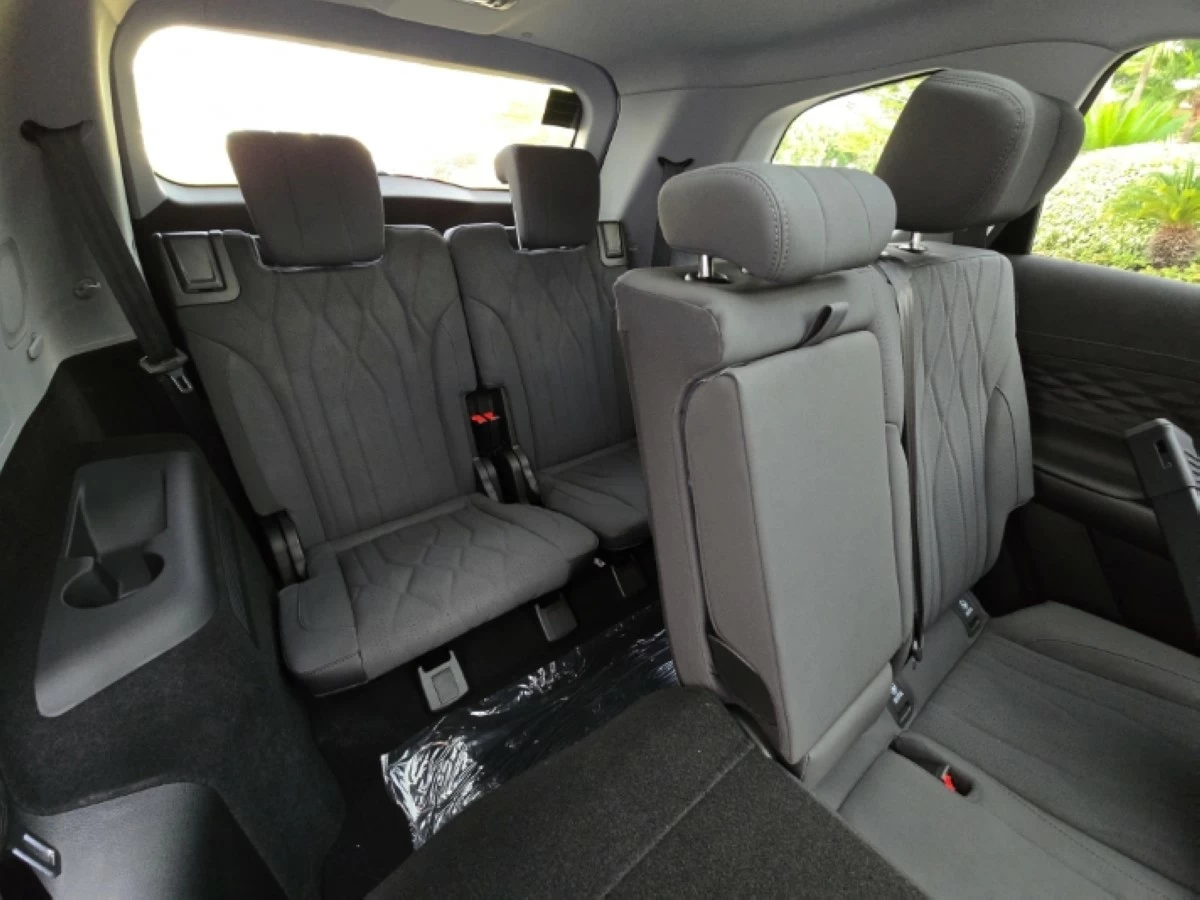
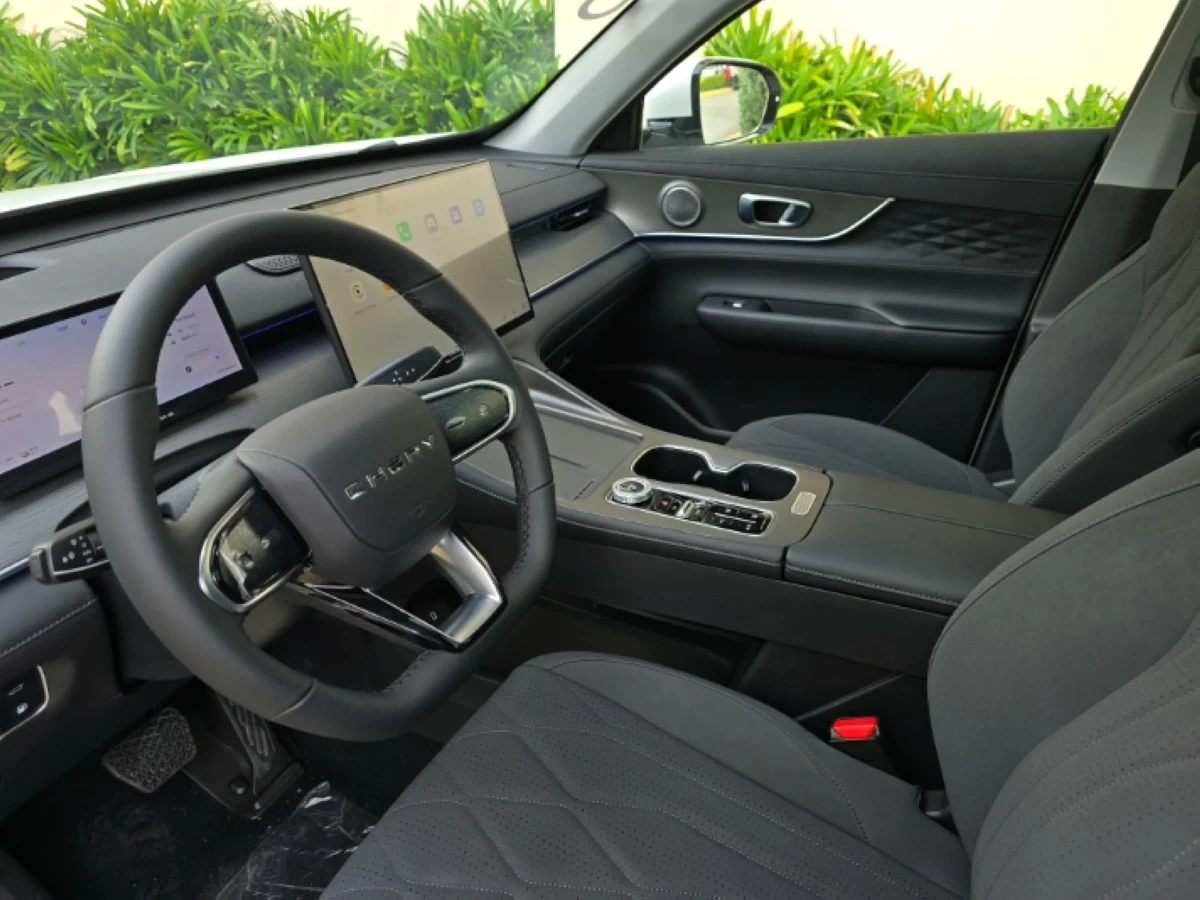
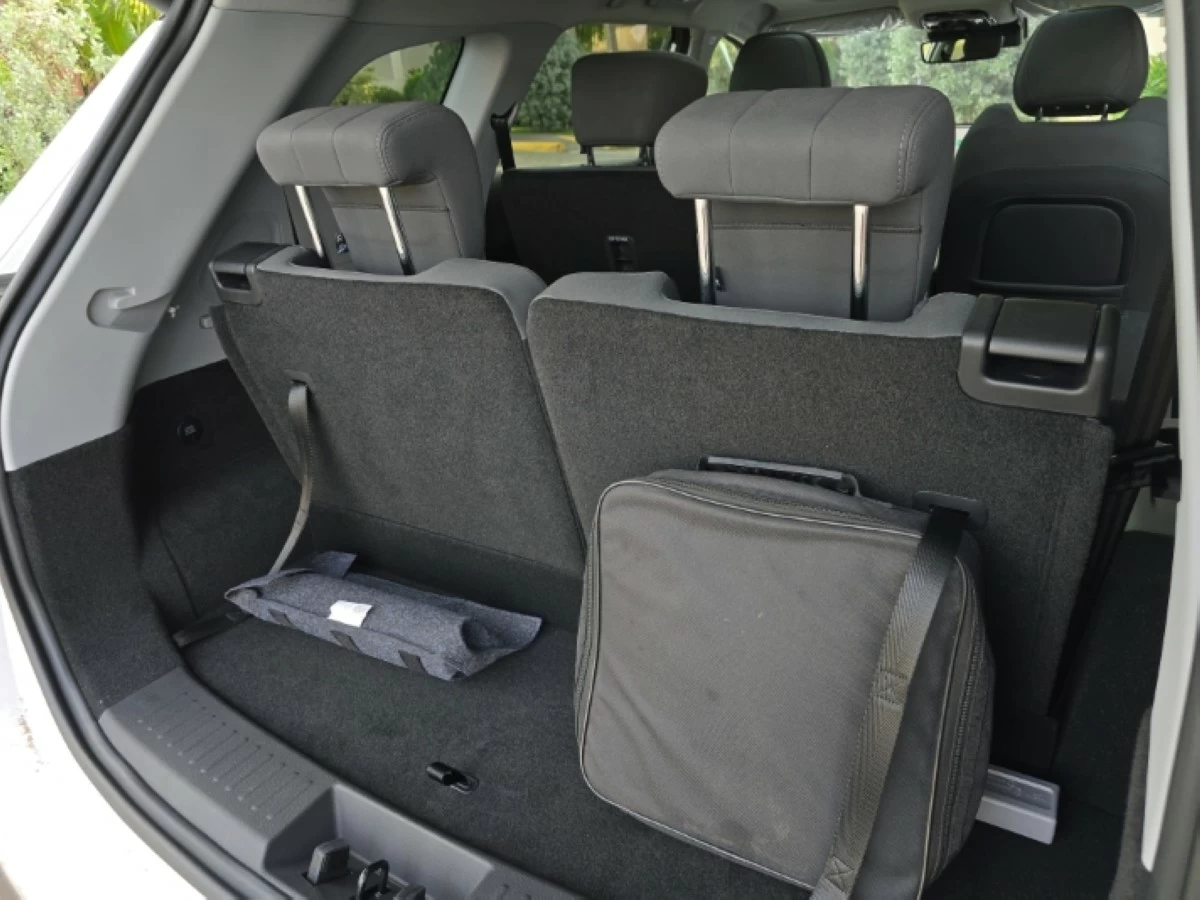
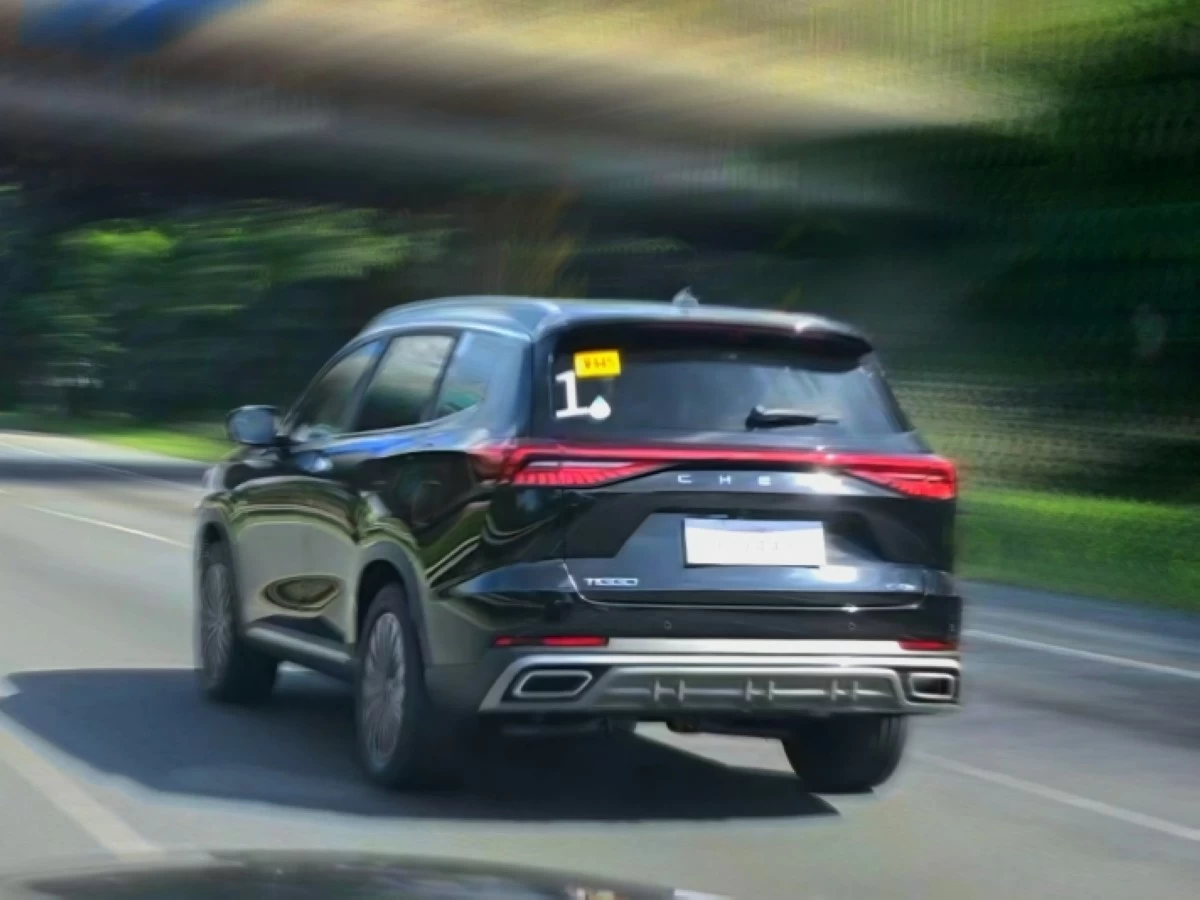
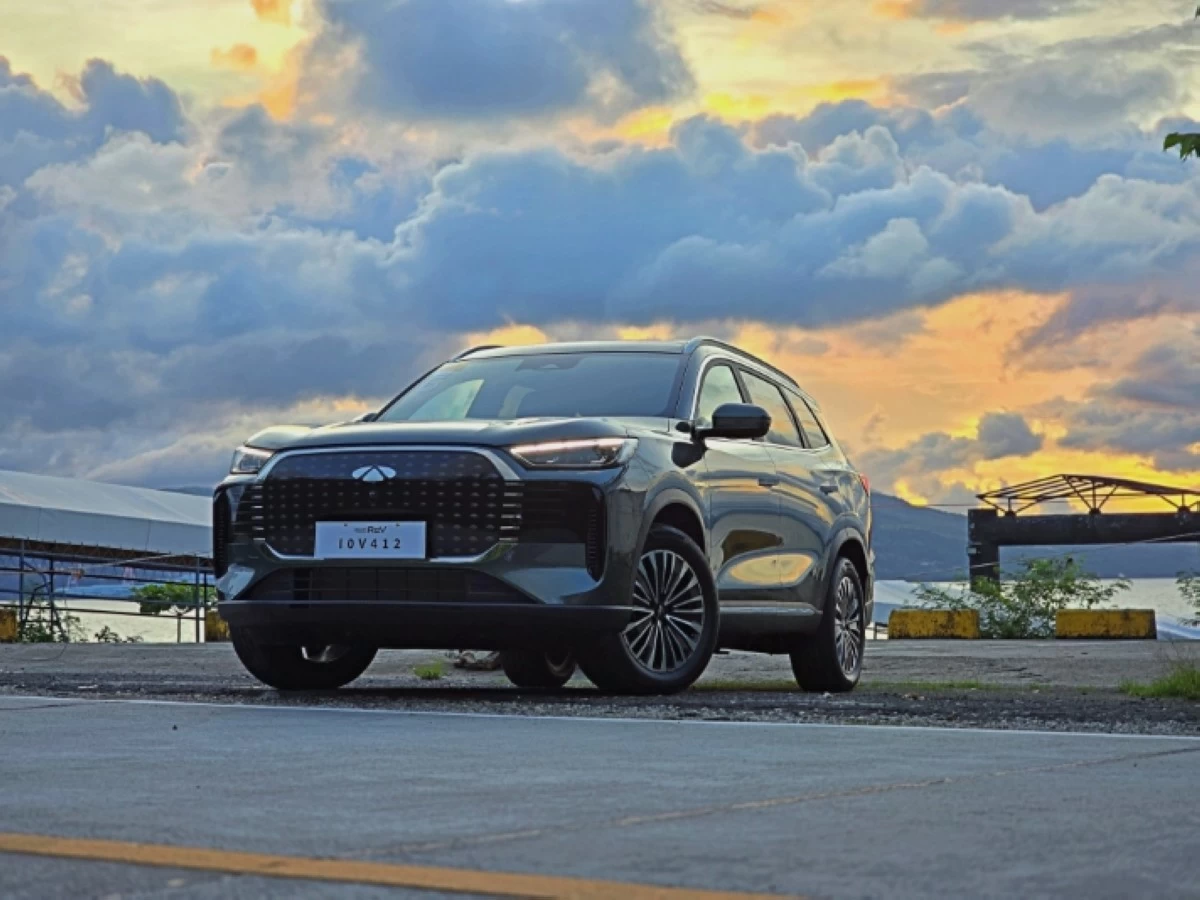
Visually, the Tiggo Re-V stands out with its clean lines, diamond-accent grille, and well-proportioned body. It’s a seven-seater (five adults plus two children), which sets it apart from some of its more popular five-seat competitors. The layout offers flexibility too, with a split-folding second row and a third row that folds flat to expand cargo space.

Under the hood is a 1.5-liter turbocharged inline-4 DOHC petrol engine mated to an electric motor via a dedicated hybrid transmission. The system delivers 204-PS (150-kW) and 310-Nm of torque, all sent to the front wheels through an automatic DHT gearbox. Power is stored in an 18.66-kWh lithium iron phosphate battery, which supports a claimed electric-only range of up to 130 kilometers in local conditions. Backed by a 60-liter fuel tank, the Re-V is built for range confidence.

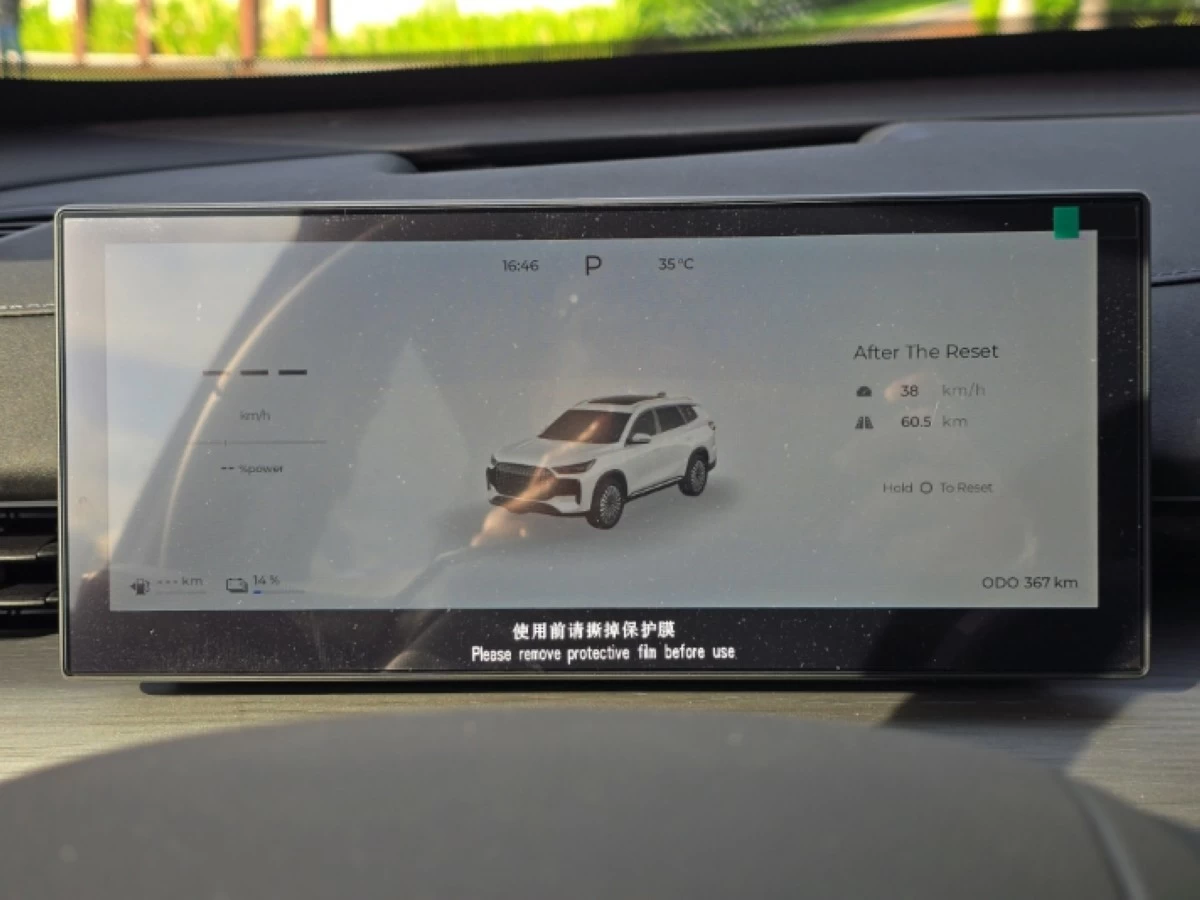
During the drive, several of my colleagues managed to achieve between 90- and 120-kilometers in full EV mode before the engine kicked in. In my case, we reached nearly 120-km before switching to HEV mode, and by the time we got to Subic, we had driven 230.9-kilometers using just ₱53.25 worth of fuel, or 0.97-liters. That placed us second in the eco-drive rankings, even though we were nowhere near trying to conserve battery energy or fuel. We drove it as we normally would any car.

The driving experience was a solid nine out of ten. NVH was well-managed, resulting in a refined cabin feel even at speed. The ride was composed, offering comfort on expressways and control through twisty segments. Power delivery felt more than adequate even in Eco mode, and the transition between electric and engine-assisted power was seamless.
The Re-V is also equipped with DC fast charging (up to 55 kW), which allows for a 30–80% top-up in just 20 minutes. It includes Vehicle-to-Load (V2L) capability, meaning it can power small appliances-useful for emergencies or recreational use.

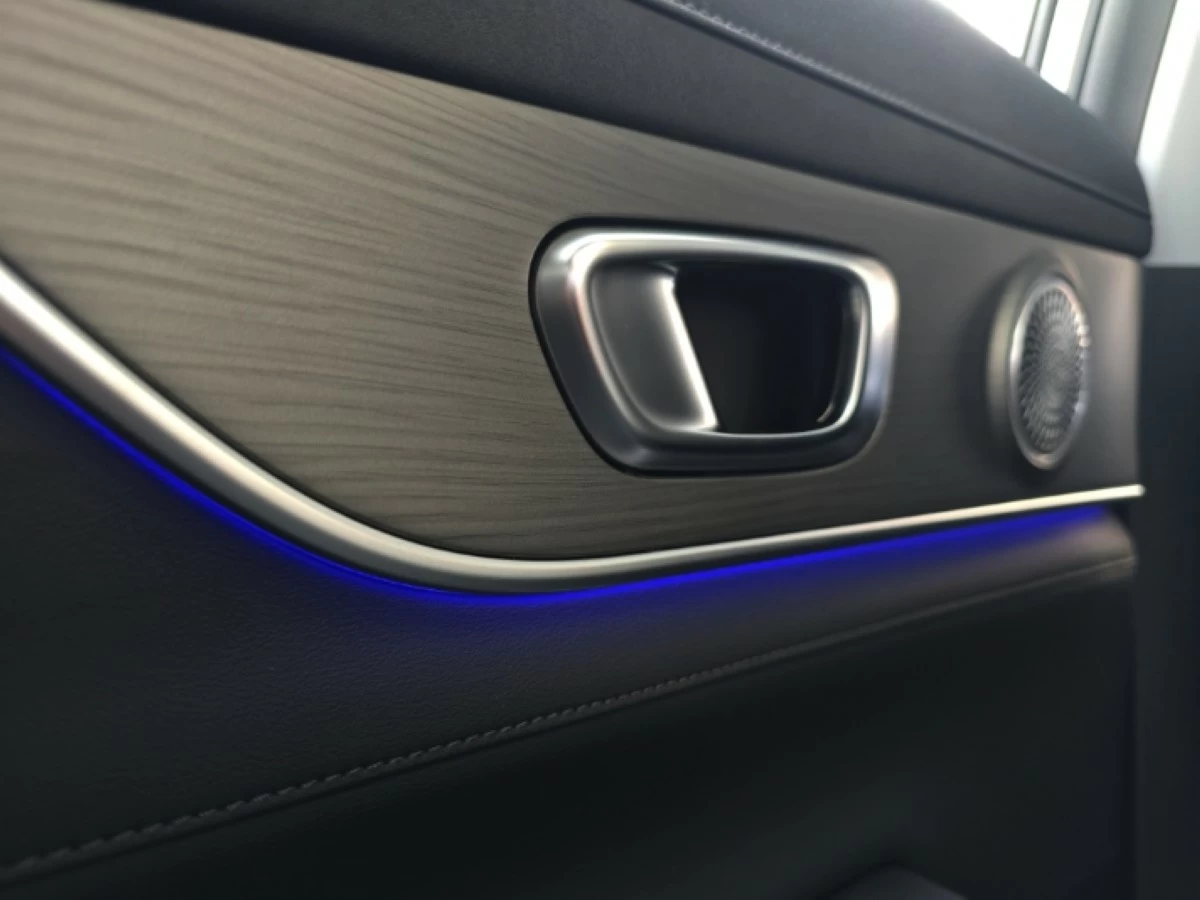
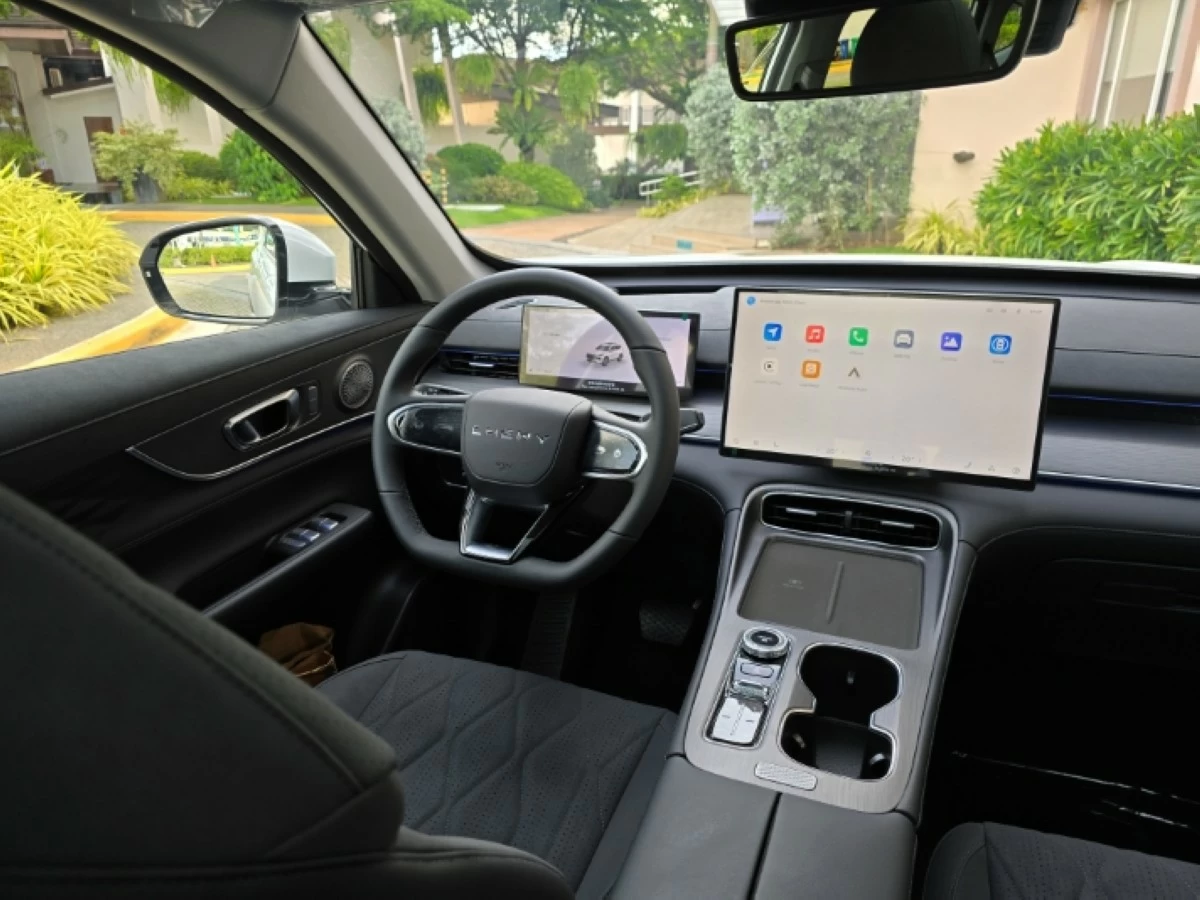
Inside, the cabin proved spacious and well-appointed. The power-adjustable front seats were comfortable over long distances, and the ventilated seat function was a bonus in the heat. The panoramic sunroof, ambient lighting, and cooled center console enhanced the premium feel of the Tiggo Re-V. Middle-row passengers enjoy reclining seats and their own air vents, while the third row is best suited for children or short trips.
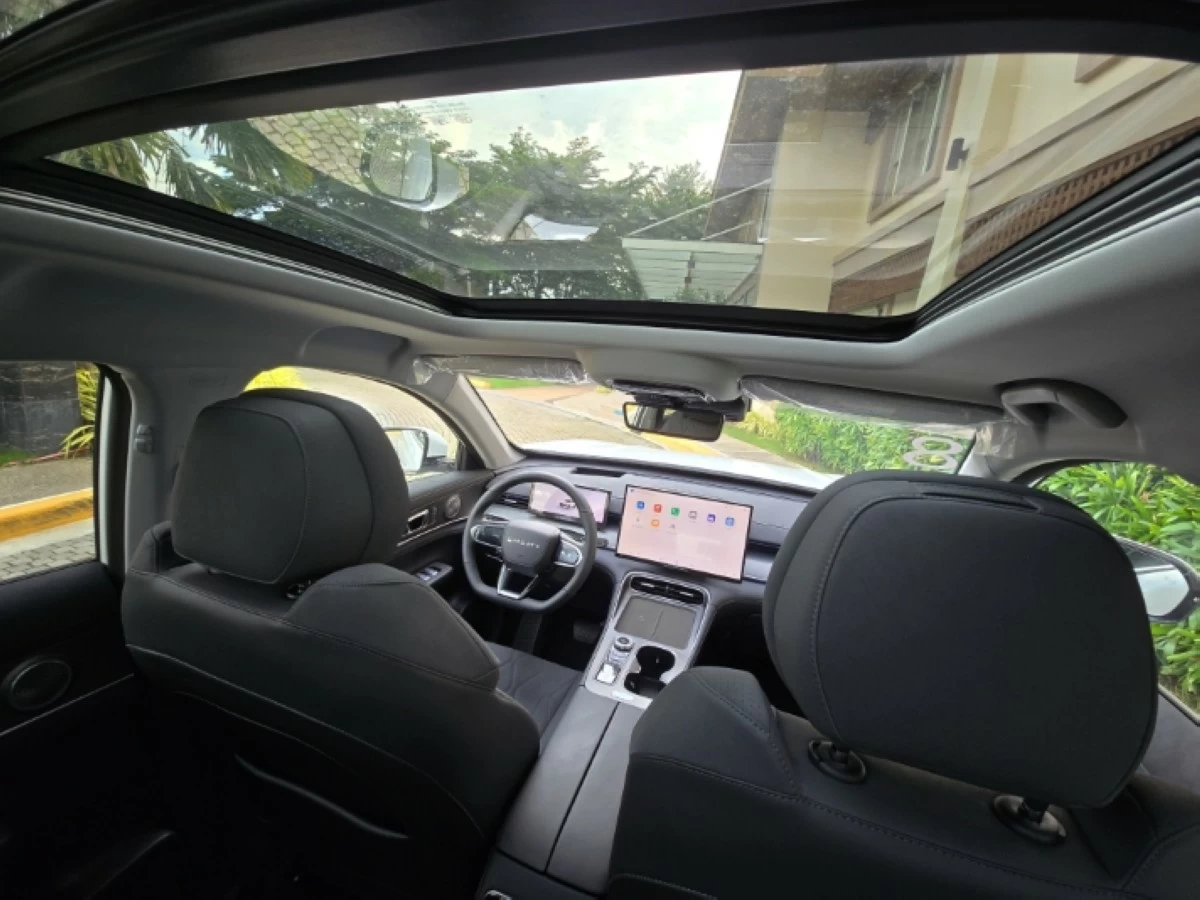
The vehicle comes with a robust tech package. A 15.6-inch touchscreen anchors the dashboard, complemented by a 10.25-inch digital instrument cluster. Wireless Apple CarPlay and Android Auto are standard, along with a 12-speaker Sony audio system featuring headrest-mounted speakers. A heads-up display, wireless phone charger, and LED interior lighting complete the setup. However, like many new Chinese vehicles, the absence of physical controls for functions like the A/C and defogger is something I find deeply frustrating.
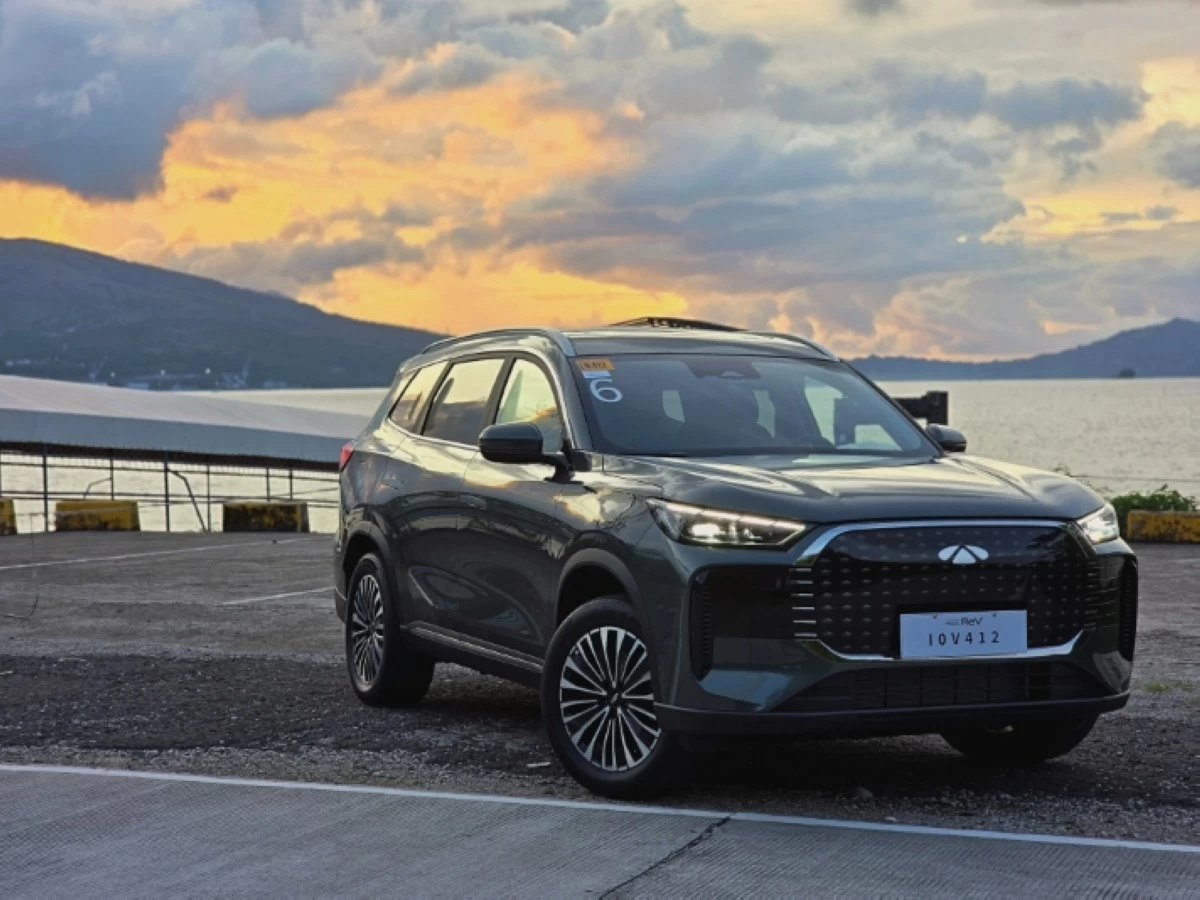
The Re-V comes with adaptive cruise control, lane-keeping assist, lane departure warning, blind spot monitoring, rear cross traffic alert, autonomous emergency braking, and a 540-degree camera system. These features are rare in this price range and offer real peace of mind.
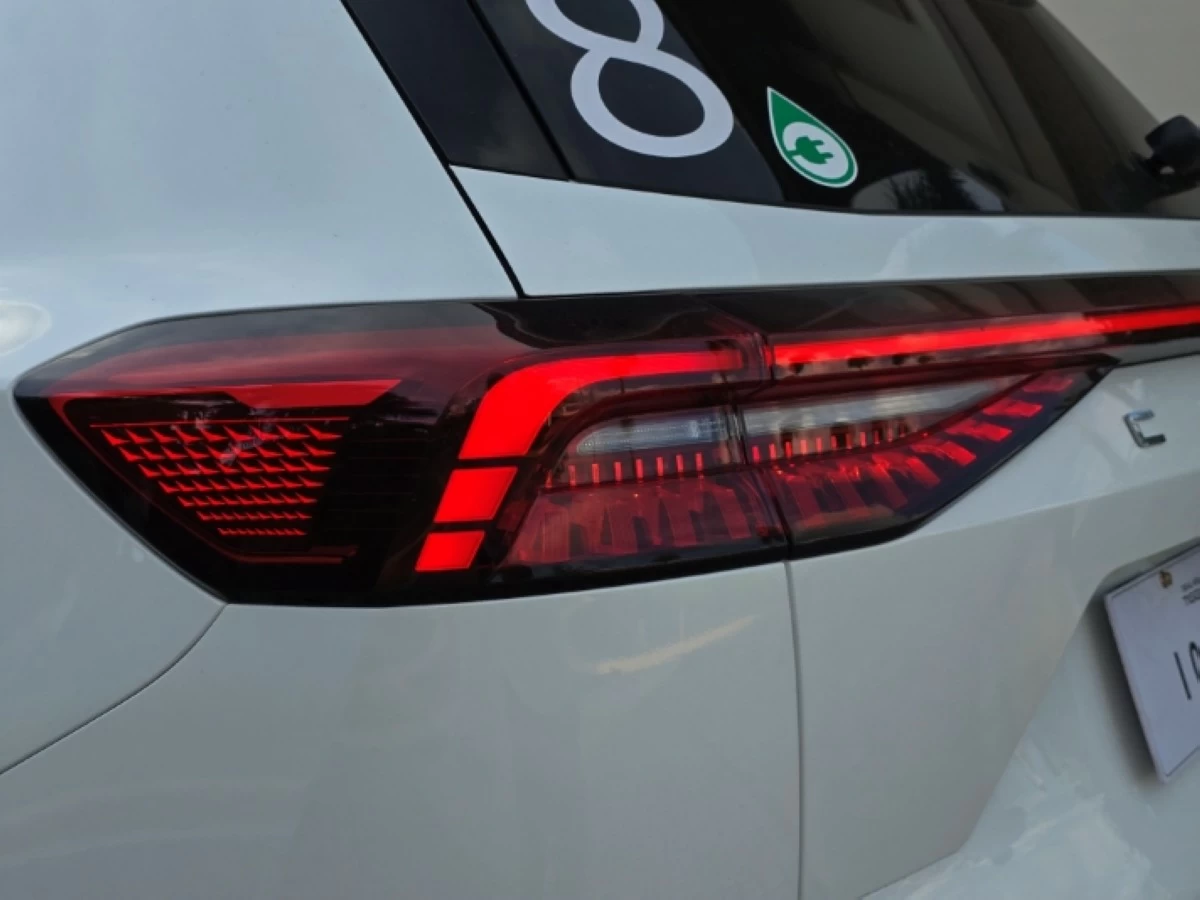

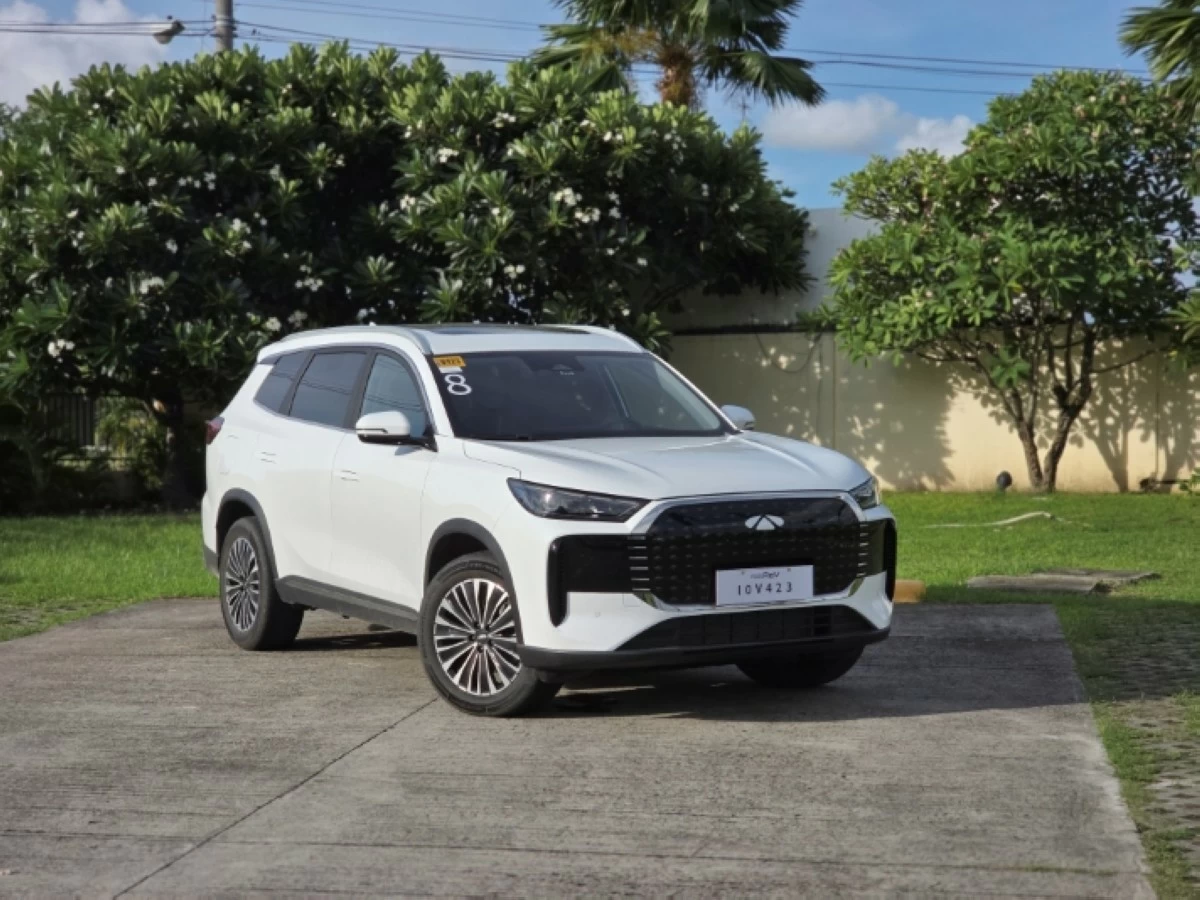
Priced at ₱1,648,000, the Chery Tiggo Re-V made a strong impression. It blends practicality, real-world efficiency, and generous tech in a package that feels competitive even against more established names. Compared to other hybrids I’ve tested, the Re-V’s longer electric-only range, extra seating for two, and lower running costs stand out.
I’m looking forward to spending more time with the Re-V for a deeper evaluation. If this first drive is any indication, Chery’s latest plug-in hybrid has a lot going for it.