






Manila Bulletin
 Business
The Stock Market
Globe eyes 100% mobile coverage, focuses on underserved regions
Business
The Stock Market
Globe eyes 100% mobile coverage, focuses on underserved regions
Business
The Stock Market
Globe eyes 100% mobile coverage, focuses on underserved regions
Globe eyes 100% mobile coverage, focuses on underserved regions
Published Aug 4, 2025 12:00 am
|
Updated Aug 2, 2025 02:03 pm


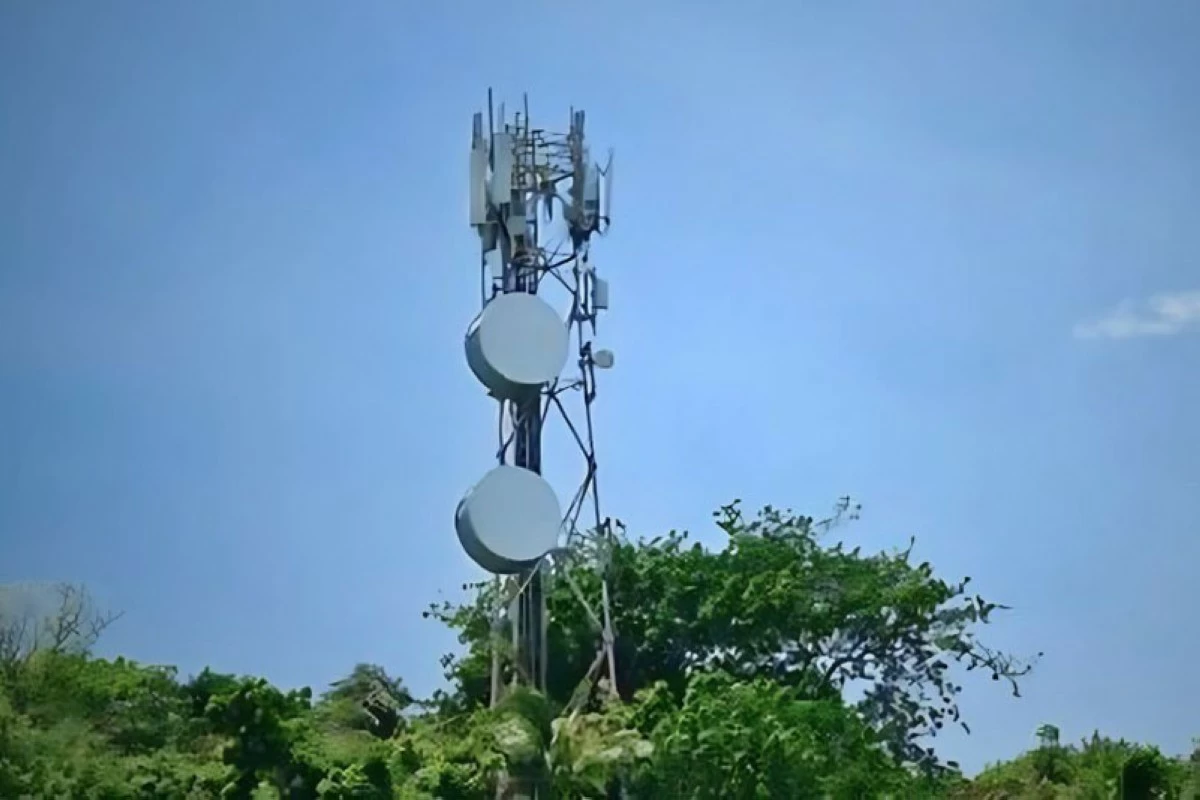
Telecommunications giant Globe Telecom Inc. said its network expansion strategy will focus on narrowing the digital divide affecting around 4.2 million Filipinos in remote areas in the country, as the company remains on track to achieve 100 percent mobile network coverage.
As of August 2025, Globe now covers 96.13 percent of the Philippine population, providing mobile services to approximately 106 million people.
The remaining four percent of the population still lacks access to critical services such as calls, texts, and internet connectivity.
The approximately 4.2 million people outside the coverage areas are those living in remote towns across barely inhabited islands, mountainous regions, and other areas with challenging terrain that make it difficult to put up digital infrastructure.
“There is still much work to be done to bring quality connectivity to every Filipino. Globe remains fully committed to making it happen,” said Globe senior vice president for network planning and engineering Joel Agustin.
Last year, the Ayala-led telco invested most of its ₱56.2 billion in capital expenditures (capex) to strengthen its network infrastructure.
As part of that investment, it built over 1,200 new cell sites, upgraded more than 4,600 sites to LTE, and installed nearly 600 new 5G sites to deliver high-quality connectivity.
This positioned Globe’s mobile coverage to almost 100 percent in Metro Manila and around 97 percent in major cities across Visayas and Mindanao.
In the first quarter of 2025, Globe trimmed its capex down to ₱8.5 billion from ₱13.7 billion last year as part of its efforts to optimize capital allocation while maintaining substantial network investments.
For the entire year, the company intends to keep its capex budget below $1 billion.
Agustin said this year’s network expansion strategy is focused on underserved areas or those with limited or no access to internet connectivity.
“We remain targeted and strategic in our network builds, focused on enabling and uplifting the lives of more Filipinos, and contributing to national development,” he said.
This year, Globe has committed to building 100 new cell sites in geographically isolated and disadvantaged areas (GIDAs) across the country.
This would bring the telco’s cell sites in GIDAS to 700 by the end of the year.
Globe announced last week that it completed a trial to test the feasibility of a low Earth orbit (LEO) satellite in expanding communications in off-grid areas.
Globe said this marks another step forward in its plan to integrate satellites into its network to reach remote communities.
“The work is far from over, but every new connection brings the country a little closer to closing the digital divide,” said Agustin.