






 Philippines
National
DepEd to roll out ARAL-Reading Program to boost literacy among learners
Philippines
National
DepEd to roll out ARAL-Reading Program to boost literacy among learners
DepEd to roll out ARAL-Reading Program to boost literacy among learners


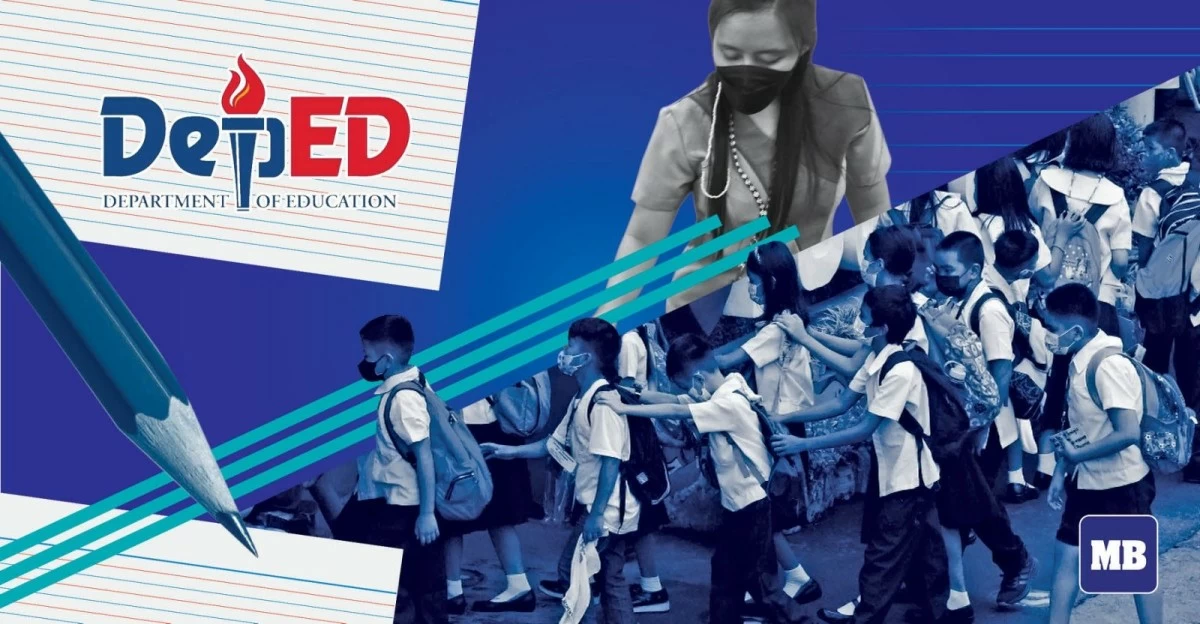
As part of its intensified efforts to address the declining reading proficiency in Philippine schools, the Department of Education (DepEd) is set to launch the Academic Recovery and Accessible Learning (ARAL)-Reading Program this school year.
Aiming to improve literacy skills among Grades 1 to 10 learners nationwide, DepEd has issued DepEd Memorandum No. 64, s. 2025, formally launching the implementing guidelines of the ARAL-Reading Program for Key Stages 1 to 3. The program targets learners who fall below grade-level reading proficiency.
Signed by Undersecretary and Chief of Staff Fatima Lipp Panontongan, the memorandum outlines the guidelines for the nationwide implementation of ARAL-Reading, which will begin in the second quarter of School Year (SY) 2025–2026.
Addressing the reading gap across key stages
The ARAL-Reading Program is a direct response to the urgent need to address learning gaps exacerbated by the pandemic and other systemic challenges.
According to DepEd, the program aims to provide structured, responsive, and learner-centered reading instruction designed to support learners based on their actual reading ability rather than their age or grade level.
This initiative builds on insights gathered from the Bawat Bata Makakabasa Program (BBMP) and the Literacy Remediation Program (LRP), both implemented during the 2025 DepEd Summer Programs. Lessons learned from these earlier efforts will be integrated into ARAL-Reading to enhance its effectiveness.
Phased implementation for School Year 2025–2026
DepEd has laid out a phased approach for the ARAL-Reading rollout: Grades 2–3: Implementation starts in Q2 of SY 2025–2026; Grade 1: Begins in Q3 of SY 2025–2026; and Grades 4–10: May start in Q2 or earlier, depending on school readiness.
Schools requiring additional preparation are advised to coordinate with their respective Schools Division Offices (SDOs) for guidance and support, DepEd said.
Program priorities, target learners
For SY 2025–2026, DepEd stated that the ARAL-Reading Program will prioritize low and high-emerging learners in Key Stage 1 (Grades 1–3) and frustration-level learners in Key Stages 2 and 3 (Grades 4–10).
However, schools with adequate resources are encouraged to expand the program to support developing and transitioning learners in Key Stage 1 and instructional-level learners in Key Stages 2 and 3.
Alignment with existing literacy programs
DepEd emphasized that ARAL-Reading is designed to complement existing literacy initiatives, using shared tools and coordinated strategies. Schools may continue their current intervention programs, provided these are aligned with ARAL-Reading objectives and demonstrate measurable effectiveness.
The department also encourages collaborative efforts among teachers, school heads, and SDOs to ensure smooth integration and to maximize the program’s impact on reading proficiency.
A step toward learning recovery
The ARAL-Reading initiative marks a significant step in DepEd’s broader learning recovery strategy, aiming to close critical reading proficiency gaps and ensure that all learners—regardless of current skill level—acquire the foundational literacy necessary for academic success.