






Manila Bulletin
 Business
The Economy
Without insertions, 2026 flood control projects could face massive budget cut
Business
The Economy
Without insertions, 2026 flood control projects could face massive budget cut
Business
The Economy
Without insertions, 2026 flood control projects could face massive budget cut
Without insertions, 2026 flood control projects could face massive budget cut
By Derco Rosal
Published Aug 4, 2025 03:53 pm


PAMPANGA — Purely without budget insertions, next year’s funding for flood mitigation projects could face a massive budget reduction, according to the Department of Budget and Management (DBM).
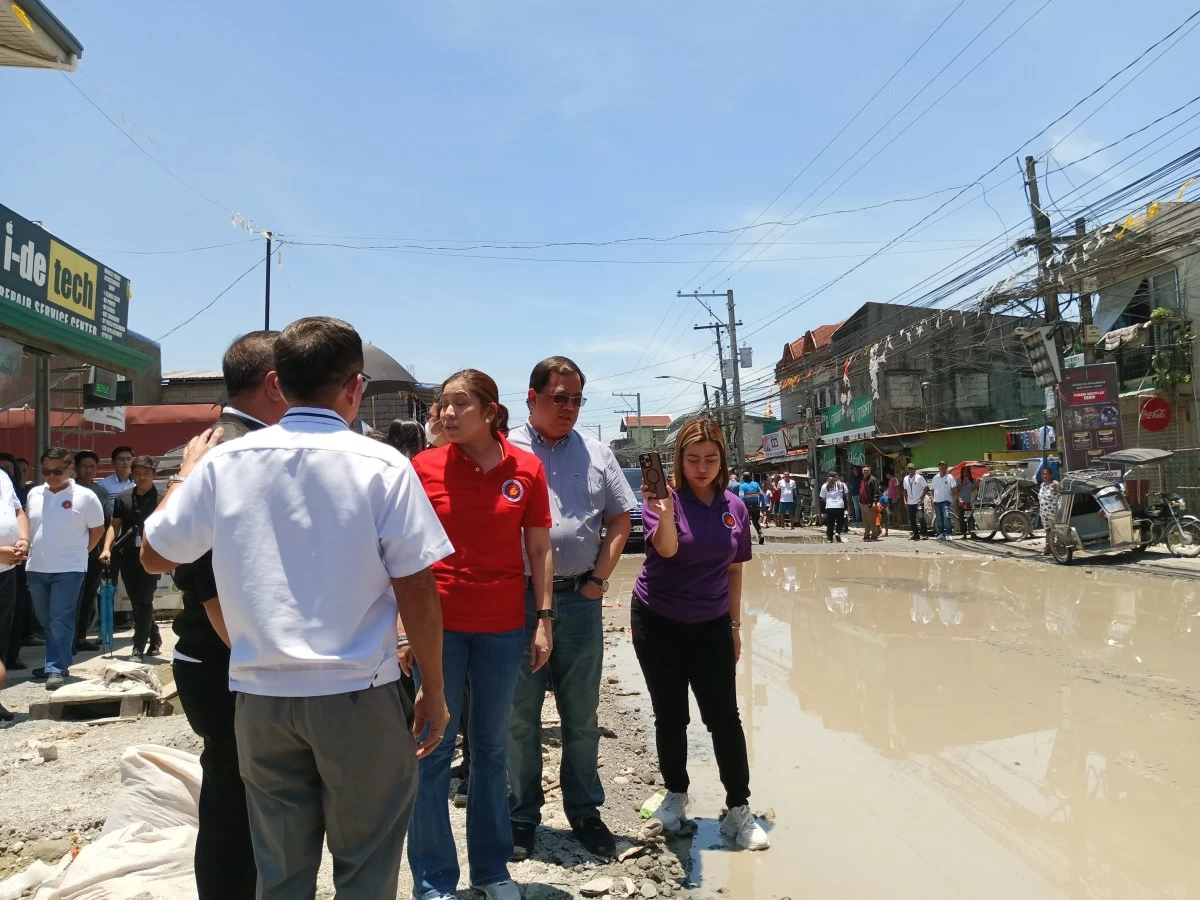
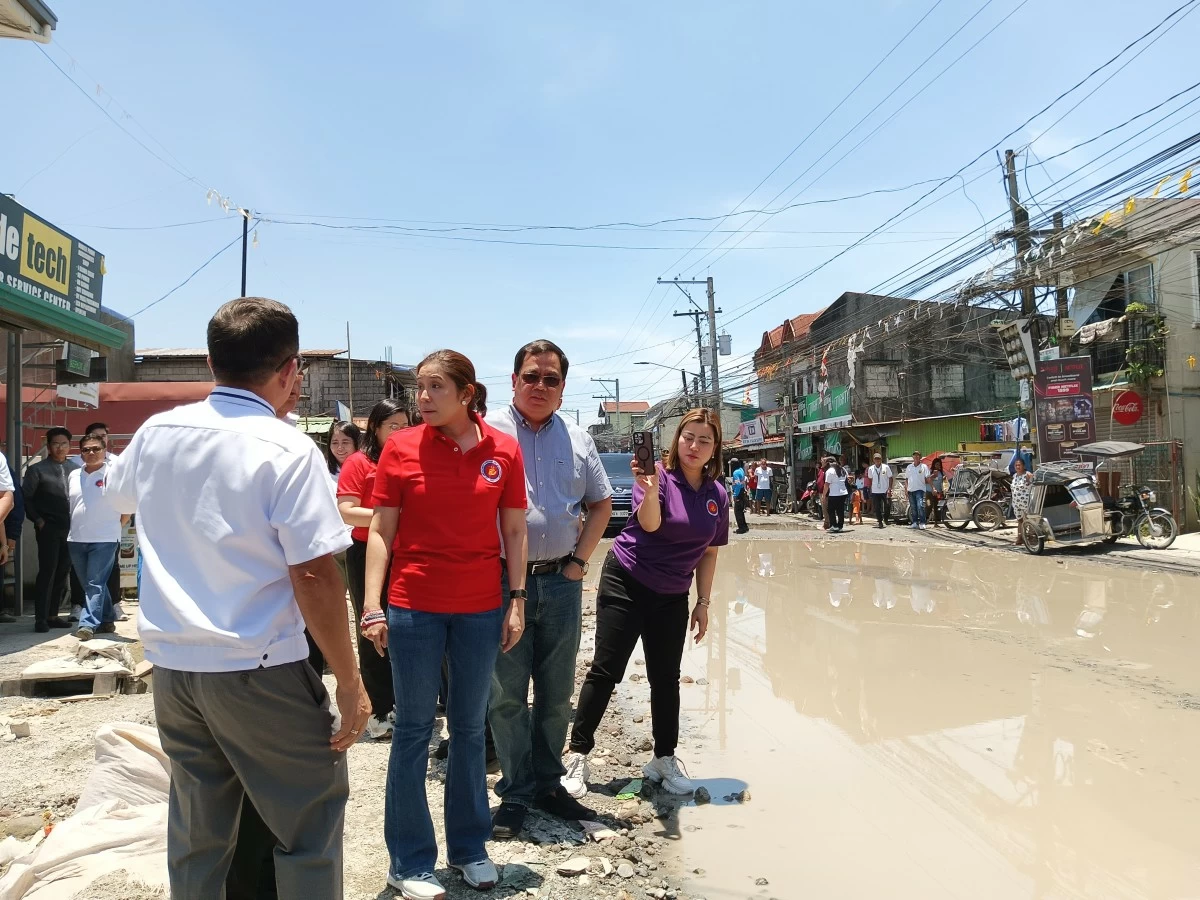
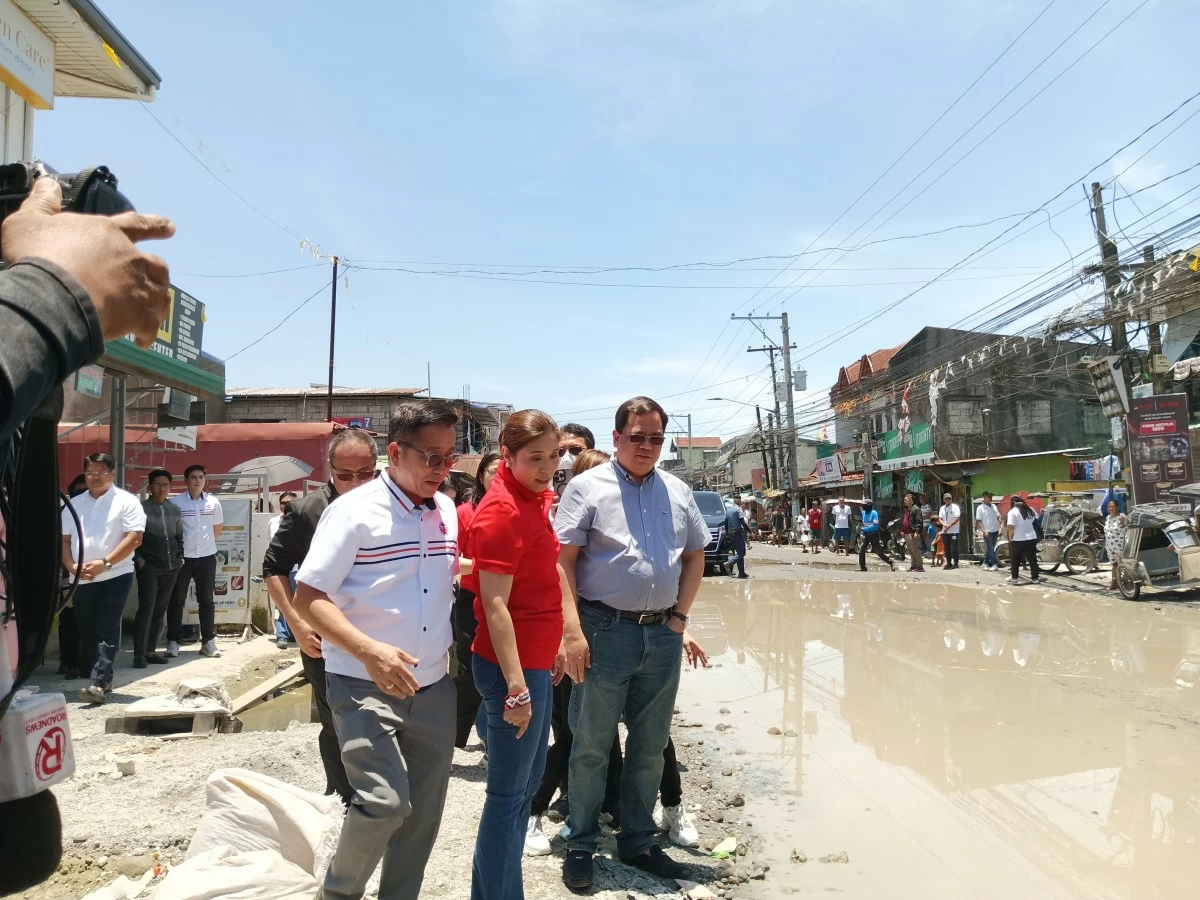
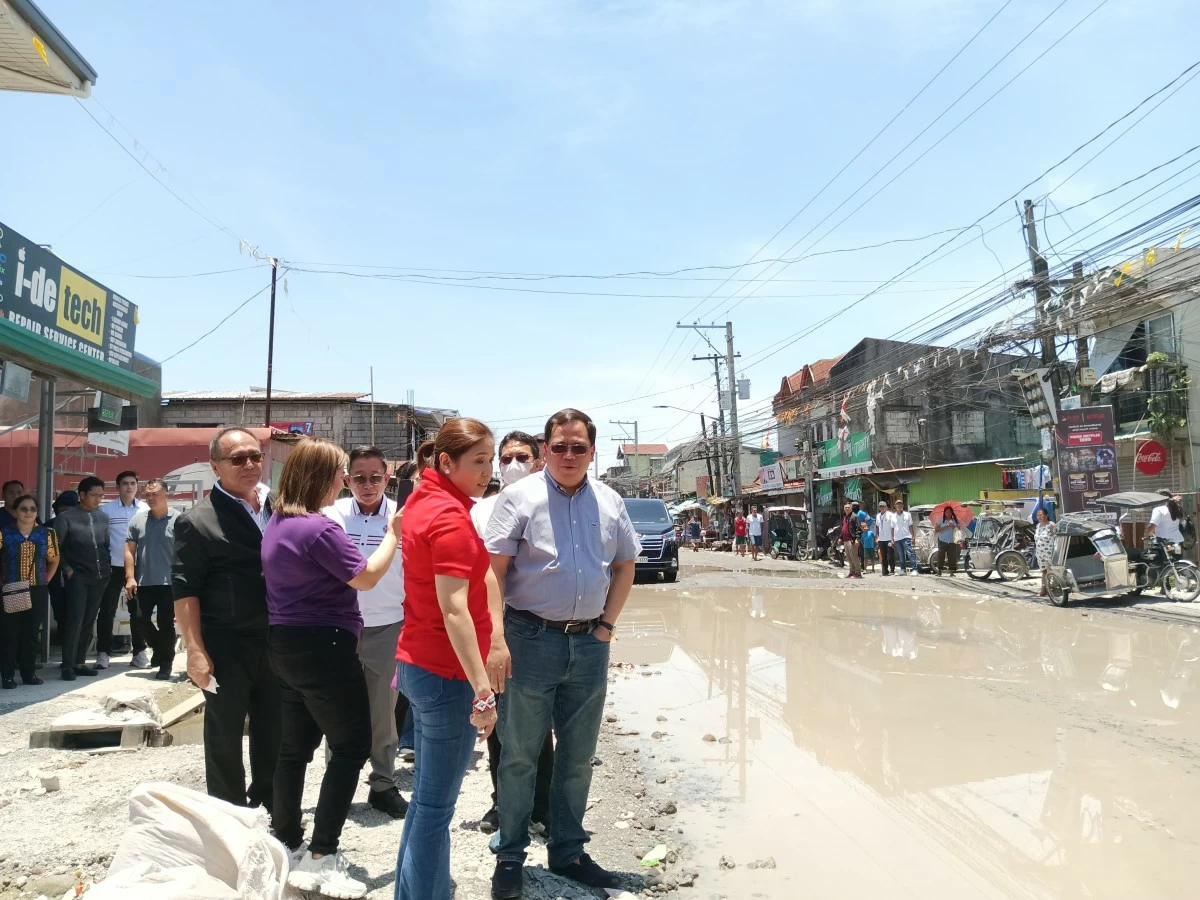
During her inspection of flood-affected roads and flood-mitigation structures in Pampanga on Monday, Aug. 4, DBM Secretary Amenah F. Pangandaman stated that the government’s 2025 total allocation for flood control projects stood at ₱346.6 billion.
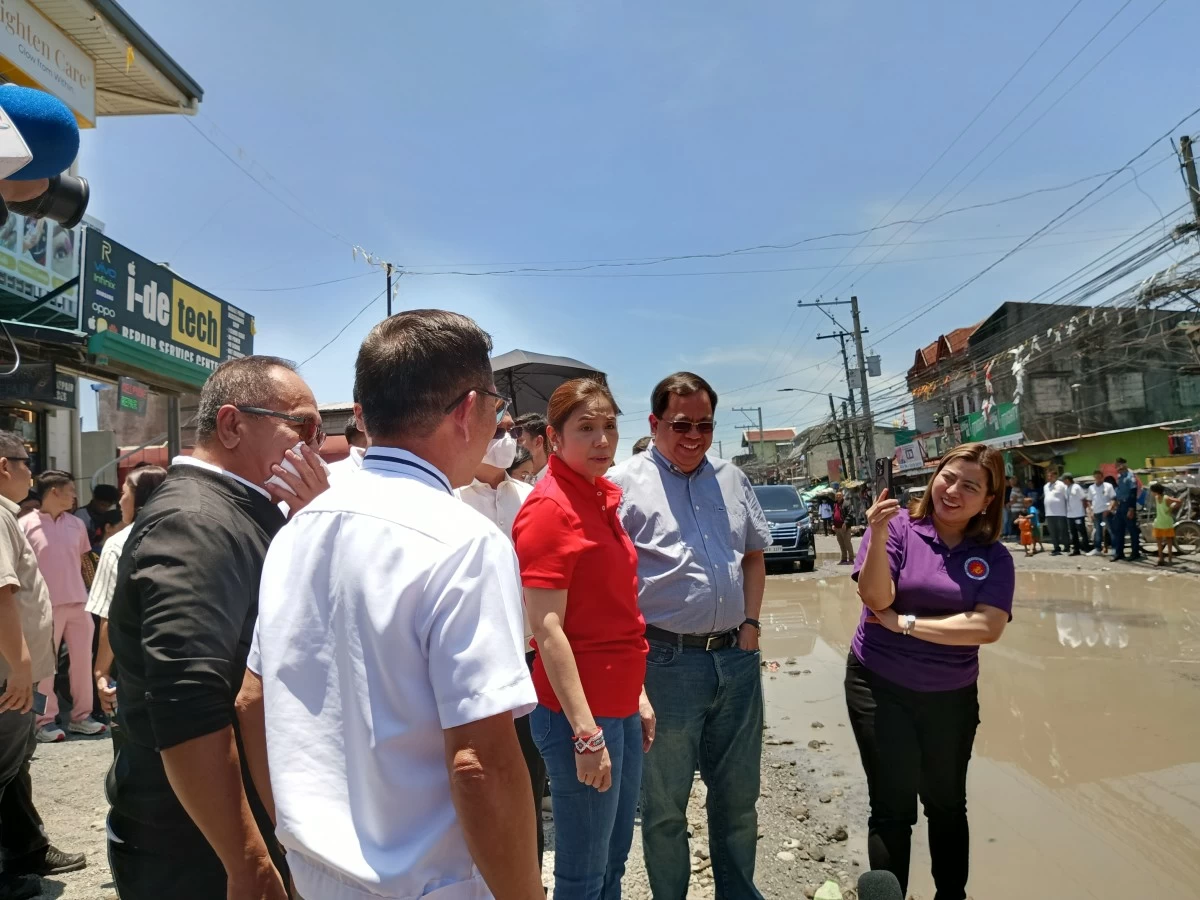

However, for next year, the budget allocation for flood control could be slashed by more than a quarter, or 26.1 percent, to ₱274.9 billion, as per the figure from the emerging 2026 National Expenditure Program (NEP) disclosed by the DBM.
Possible budget insertions were out of the equation, the agency said. It was also clarified that although a budget cut is proposed, Congressional deliberations could still push a swing to a higher allocation.
Last Friday, National Socioeconomic Planner Arsenio Balisacan stressed the need to prioritize the completion of flood mitigation, such as impounding dams, over injecting funds in social programs, such as medical assistance and assistance to low-income individuals.
Sought for her opinion, Pangandaman said jacking up the funding for flood-control projects could be considered but it must be identified with proper planning.
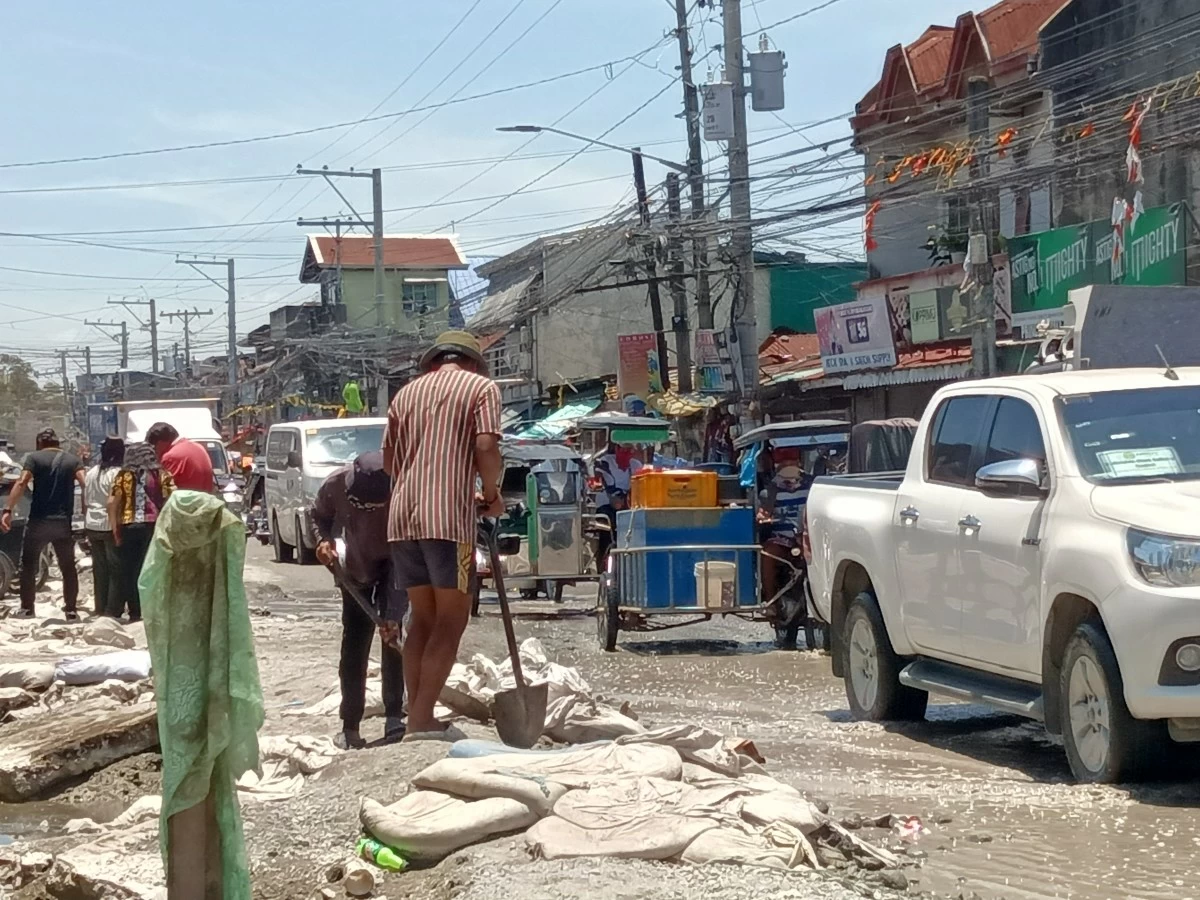
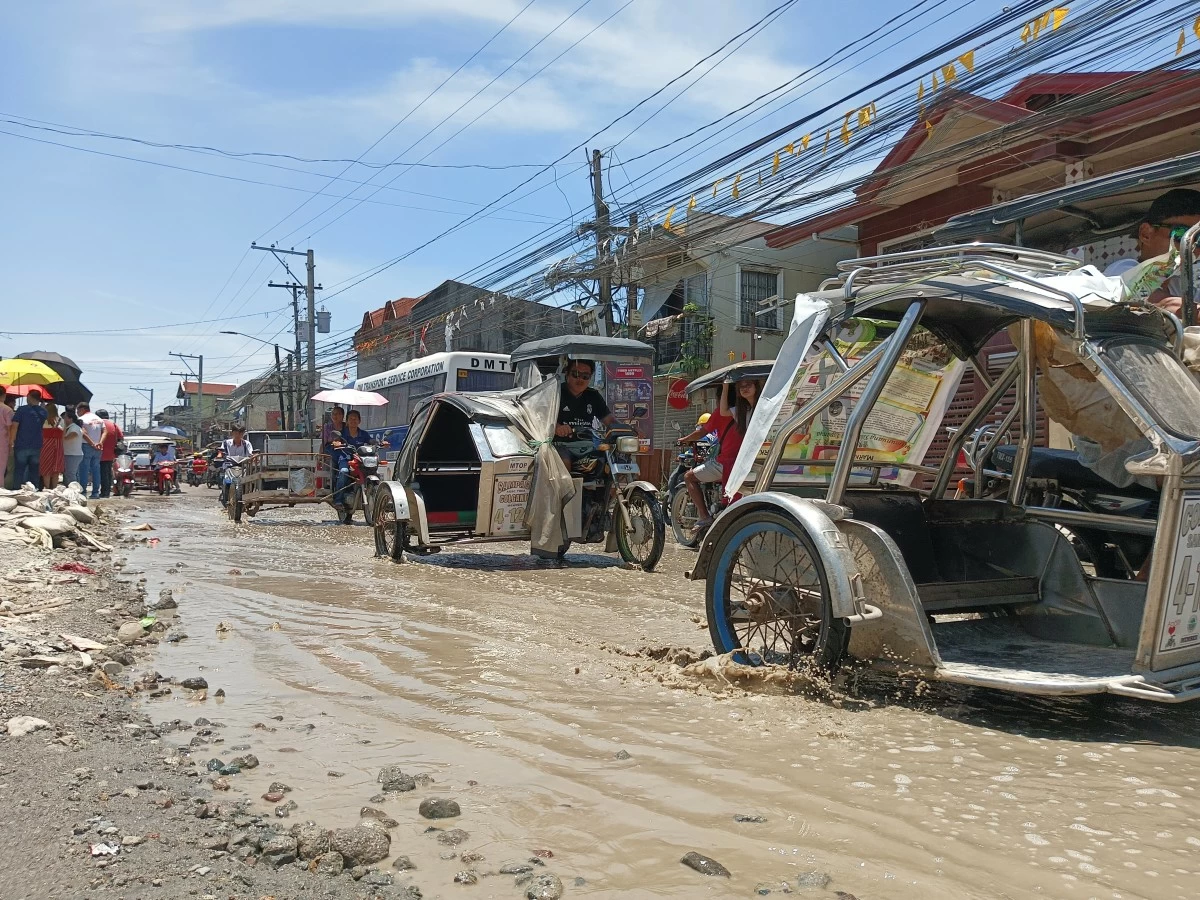
It has been days since a string of typhoons hit the country and floodwater in Metro Manila has already subsided. However, roads remain submerged in floodwaters in some parts of Pampanga.
Upon monitoring, Pangandaman said there were agencies or individuals involved in public works and highways who neglected their mandates for no apparent reasons.
“There are a lot of people who neglected their jobs. We don’t know the reason, but there are people who neglected their jobs,” Pangandaman said. She inspected infrastructure projects in two localities in Pampanga province—Brgy. Apalit in Macabebe and Brgy. Candating in Arayat—which were severely affected by flooding brought about by successive typhoons and rainfall.
Pangandaman revealed that funds were allocated to projects in places that do not necessarily need them, while neglected roads that are consistently dilapidated did not receive any funds.
Given this, the Budget chief ordered the Department of Public Works and Highways (DPWH) regional and district directors to realign their budgets for road improvement. Pangandaman described the implementation of Pampanga local government units (LGUs) as “palliative” or temporary, saying that a single rain after the band-aid treatment would return the roads to their old condition.
With roads still covered in sand and others in a dilapidated state, Pangandaman said ₱389 million is needed to enhance connectivity across the province, including the ₱166 million required for Apalit and Macabebe.
Pangandaman said the DPWH was directed to list and review all flood control projects implemented since the start of the Marcos Jr. administration to identify issues and improve accountability among contractors.
Two weeks ago, the DBM released a total of ₱1.6 billion to replenish the quick response funds (QRFs) of the Department of Social Welfare and Development (DSWD) and the DPWH. It came as a response to the successive typhoons and other weather disturbances that ravaged the country.
As of June 30, ₱16.4 billion remains from the ₱20-billion NDRRMF, while the separate ₱1-billion People’s Survival Fund (PSF) remains untouched, bringing the total available funds for calamity response to ₱17.4 billion.
Taking into account the latest QRF releases, the remaining NDRRMF balance stands at around ₱15.8 billion, including the PSF.
The QRF serves as an emergency standby fund for agencies to support disaster preparedness, relief, and rehabilitation. Agencies can request additional funds from the DBM after using at least 50 percent of their QRF allocation.
It can be recalled that the DBM requested around ₱10 trillion for next year’s budget, as government agencies had been eager with their project proposals, but the agreed budget ceiling stood at only ₱6.7 trillion because ₱10 trillion could not be allowed, Pangandaman said.