






 Embassies & Foreign Affairs
Breathtaking Batanes: A journey through the jewel of the north
Embassies & Foreign Affairs
Breathtaking Batanes: A journey through the jewel of the north
Breathtaking Batanes: A journey through the jewel of the north


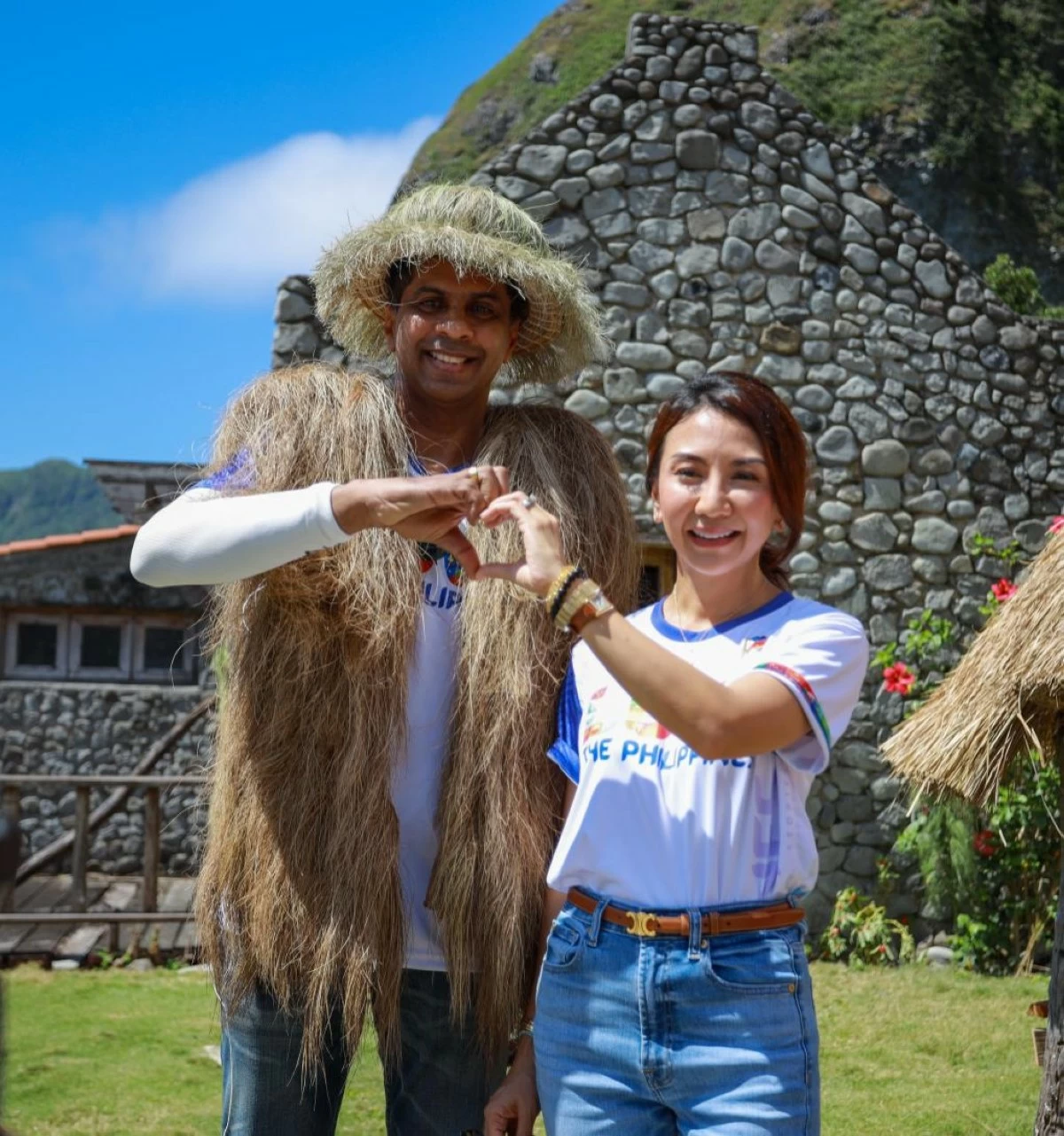
Organized under the Department of Tourism’s (DOT) “Philippine Experience Program” and its theme “Beyond Sceneries…Stories,” a four-day journey to Batanes in March became a memorable dive into the rich culture, natural beauty, and enduring spirit of this remote northern province.
From the moment we boarded the small De Havilland 400 turboprop of Philippine Airlines, the journey felt special. Sharing the flight were diplomats, media, influencers, and Department of Tourism officials, including Secretary Christina Garcia Frasco. The charm of a compact propeller aircraft, paired with excitement in the air, hinted that this would be no ordinary trip.
Batanes: Land of the winds and harmony
Batanes, the Philippines’ northernmost province, consists of ten islands, three of which—Batan, Sabtang, and Itbayat—are inhabited. Known as “The Home of the Winds,” it is admired for its dramatic cliffs, rolling hills, stone houses, and simple yet dignified way of life. The capital, Basco, is nestled on Batan Island, the most visited and accessible of the three.
Batan Island: A tapestry of landscapes and legacy
Our arrival at Basco Airport, more like a charming airfield, we felt like stepping into a time capsule. A warm welcome awaited us, signaling the Ivatans' legendary hospitality.
Our visit began in Mahatao, where we visited San Carlos Borromeo Church, one of the oldest in the province, built from coral stones. Nearby, the Blank Book Archives, a library filled with empty books for visitors to write in, invited reflection. Many of us took the opportunity to leave behind our thoughts and gratitude.
In Ivana, we visited the House of Dakay, a stone house dating back to 1887 that has withstood centuries of natural calamities. Its resilience mirrors that of the Ivatan people. Just a few steps away are the Castano Ruins (Ruins of Songsong), remnants of an old settlement abandoned after a tsunami decades ago. Across the road, we encountered a unique place: the Honesty Coffee Shop—a store without staff, relying solely on customers' integrity—struck a powerful chord. Such simplicity and trust are rare today, but here, they are a way of life.
After that, we stopped at Nakurang Viewpoint for sweeping 360-degree views of the ocean and Sabtang Island before heading to Uyugan. Moving on to Uyigan, we stopped at the Alapad Rock Formation, and the dramatic coastline left a lasting impression. We also took time to view the "Alapad Pass" with its iconic "Blow Ur Horn" sign, a reminder of the island’s winding and steep coastal roads. The nearby National Museum – Batanes showcased the region’s rich ethnological and cultural heritage, particularly its traditional weaving and beadwork. That evening, we enjoyed a cultural dinner program featuring Ivatan cuisine and performances, culminating in the story of “Vunung,” a traditional harvest practice.
On the second evening, we had the pleasure of being greeted by a postcard-worthy sight - the Basco Lighthouse, perched on Naidi Hills facing the West Philippine Sea. I had the opportunity to climb to the top of the lighthouse. Standing there, overlooking the vast sea and the distant silhouette of Mt. Iraya, I felt like I was at the edge of the world. From this vantage point, you see both the land’s quiet strength and its poetic beauty.
In the late evening, dinner came with golden orange light bathing the hills in warmth. DOT has organized a sumptuous dinner programme with an ‘all white’ theme, including local cultural dance and musical items.
On the third day, we visited Mahatao and participated in garlic harvesting and braiding at Dibtangan Du Mahatao Farm. Garlic plays a vital role in the local economy and culture. Many of us found that we were quite good at garlic braiding, or at least we thought so. Later, we visited Rakuh a Payaman, affectionately called “Marlboro Country,” with vast green pastures meeting the sky and sea—a picture-perfect paradise. I was reminded of the old cigarette advertisements in Time magazines!
We explored Tayid Lighthouse in Mahatao and tried our hand at stone painting with young local artists. Lunch at the lighthouse gardens was as scenic as the views themselves. At Valugan Boulder Bay, we saw volcanic rocks shaped by the eruption of Mt. Iraya in 400 AD—no sand, just smooth stones and crashing waves, evoking a sense of peace and contemplation.
Back in Basco town, we bought local crafts and paintings, pleased to support the community and impressed by the quality. We also briefly visited the Immaculate Conception Cathedral, the seat of the Catholic Church in the province, and enjoyed refreshments at the town square, where we met the mayor.
Later, some of us made an unscheduled visit to Fundacion Pacita Nature Lodge, once the home of artist Pacita Abad, an adventure seeker and trailblazer who sought to be a role model to other aspiring artists and defied stereotypes and broke several proverbial glass ceilings. The visit offered a deeper connection to Batanes’ creative spirit. Each room is named after a local wind, and the lodge promotes local culture while offering spectacular views. That night, a coffee shop by a palm-lined beach provided a peaceful end to the day.
Sabtang Island: A step further into the past
No trip to Batanes is complete without visiting Sabtang Island, a short yet scenic ferry ride from Radiwan Port. Life in Sabtang moves at a slower, more traditional pace. On the second day, we began with the groundbreaking ceremony for a Tourist Rest Area, a concept of Tourism Secretary Garcia Frasco, which is a part of a nationwide project aimed at providing better facilities for tourists.
In Chavayan Village, cobbled streets wind through cogon-thatched stone houses. Locals still wear the vakul, a traditional headgear, and the village stands as a living heritage site. At Morong Beach, we admired the famed Nakabuang Arch, a natural rock formation that beautifully frames the sea. Further on, Luckuy Beach offered solitude, powdery white sand, and tranquil turquoise waters.
Our guide Eduardo Delfin, who did an excellent job, informed us of the unique charm of Itbayat Island, which we did not visit, and did not fail to emphasise that the most beautiful ladies of the Philippines are from that Island.
People to remember
Throughout our journey, we were warmly accompanied by Secretary Frasco during the first two days and later by Undersecretaries Maria Rica Bueno and Verna C. Buensuceso. Our ever-helpful liaison officer, Hannah Rivera, ensured everything ran smoothly. Assistant Secretary of DOT Ronaldo P. Canopio kept us smiling with his irrepressible cheer: “Love Batanes!”
More than its scenery, Batanes captivates with its soul—the honesty of its people, the harmony with nature, and the quiet dignity that permeates life here. There’s no traffic, hardly any crime, and everywhere you look, simplicity and sincerity.
Final Reflections
Batanes is a reminder that not all beauty is loud. Some of it whispers. In its wind-swept hills, enduring stone homes, and warm people, it tells a story of resilience and respect—for land, tradition, and life itself. It’s not just a destination—it’s a feeling that lingers, long after the plane has taken you back. My prayer is that the unique beauty of Batanes will not be lost to commercialization.
So, if you're looking for more than just a trip—if you’re looking for meaning—Batanes is waiting.