







DOST unveils locally-developed early detection kits for ASF
Published Aug 3, 2025 10:28 am


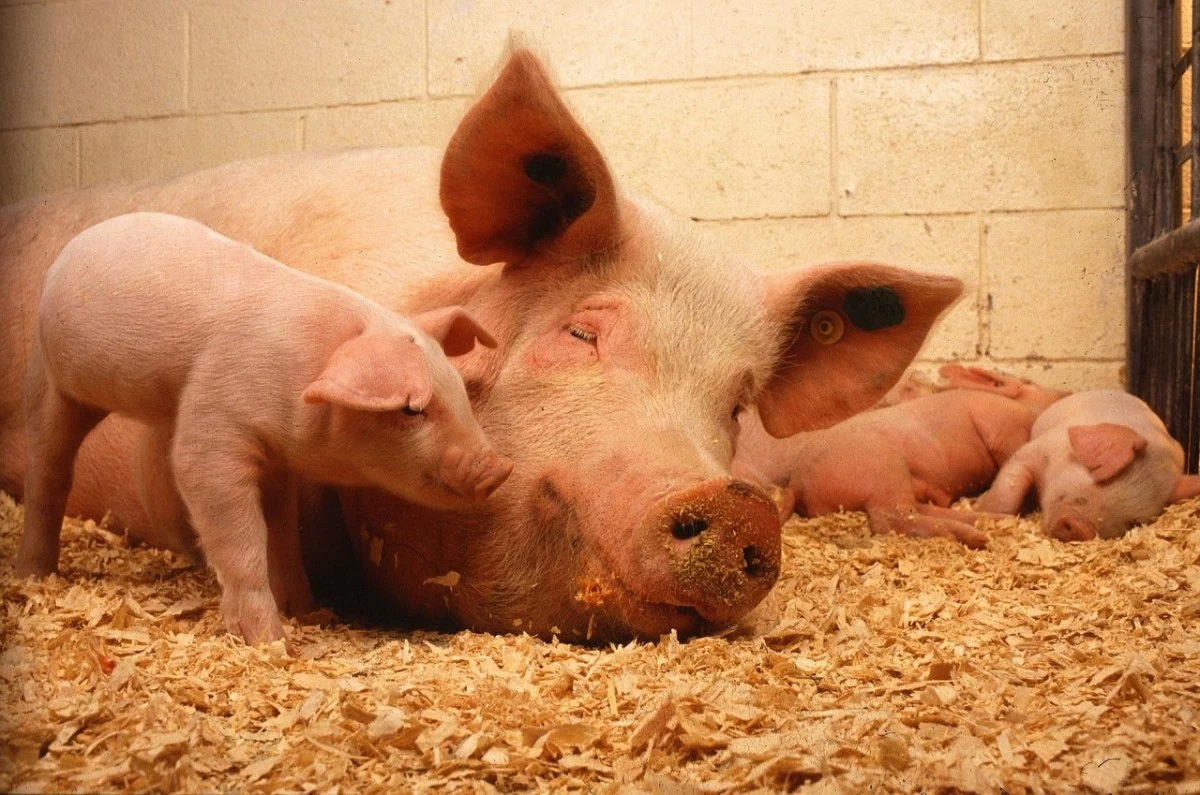
Photo from Pixabay
The Department of Science and Technology (DOST) has unveiled two locally developed kits designed for the early detection, rapid response, and long-term prevention of African Swine Fever (ASF), a viral disease that has devastated the Philippine swine industry since 2019.
The DOST-Philippine Council for Agriculture, Aquatic and Natural Resources Research and Development (PCAARRD), in collaboration with BioAssets Corporation, led the launch of the TUSLOB® Rapid DNA Extraction Kit and VIPtec® ASFV qPCR Detection Kit on Aug. 1
Both technologies, developed by the DOST-Industrial Technology Development Institute, are designed to facilitate fast and field-deployable ASF detection.
According to DOST, the equipment-free kits enable rapid, accurate, and high-quality DNA extraction from blood samples of potentially infected pigs.
With their user-friendly design and performance optimized for locally circulating ASF strains, these kits allow on-site testing in veterinary and agricultural settings that help to control ASF outbreaks and reduce economic losses.
Also launched was the country’s first Filipino-made Mobile Biocontainment Laboratory, developed by BioAssets Corporation, with support from DOST’s Business Innovation Through S&T Program.
The mobile lab brings diagnostic capabilities directly to outbreak sites.
“It is very important to show that Filipinos are capable of developing technologies that can help address our food-related problems,” said DOST Secretary Renato Solidum Jr.
ASF is a highly contagious hemorrhagic fever caused by the ASF virus, which affects both domestic and wild pigs regardless of age.
Although it poses no risk to humans, its impact on agriculture, food security, and livelihoods is severe.
Since its first detection in the country in 2019, the disease has affected 76 provinces, with seven provinces still reporting active cases as of April 2025.
Due to the disease, local hog population has severely reduced, from 12.7 million heads in 2019 to 8.75 million in 2024-2025.
The significant decline in hog supply caused pork prices to nearly double, from P224.19 per kilogram to P450 per kilogram.
According to Dr. Synan S. Baguio of DOST-PCAARRD, fluctuations in raw material and animal feed prices significantly affected the cost of pork production and market prices.
ASF symptoms include fever, loss of appetite, low energy, weight loss, internal and external hemorrhages, abortion, and sudden death.
As ASF shares clinical signs with Classical Swine Fever, laboratory testing is essential for accurate diagnosis.
Solidum emphasized the urgent need to establish the Virology Institute of the Philippines (VIP) to combat ASF and other emerging diseases and viral threats.
“With VIP, we can boost our country’s capacity to anticipate, detect, and respond to emerging and re-emerging viral threats—not just for animals, but for plants and humans as well,” he said.
“Why do we need to establish one in the Philippines and why not use other solutions from other countries? Simply because, the strains that we may have may be different from the strains that other vaccines developed in other countries are addressing,” he added.